






Women’s participation in paid work can strengthen household incomes, support economic growth, and expand the range of skills and perspectives available to employers. Across India, women contribute through agriculture, manufacturing, education, healthcare, entrepreneurship, technology, and many other sectors. Yet access to secure, fairly paid, and suitable employment remains uneven.
Understanding women’s employment in India requires looking beyond whether women work. It also involves examining the quality of available jobs, wages, working conditions, career progression, access to skills, and the responsibilities that can limit women’s choices.
Creating more inclusive employment opportunities benefits not only women but also families, businesses, and the wider economy.
Why Women’s Employment Matters
Paid employment can help women increase their financial independence and participate more fully in decisions affecting their lives. Earnings may support household needs, children’s education, healthcare, savings, and long-term financial security.
A more inclusive workforce can also help employers access a wider pool of talent. When recruitment and promotion decisions are based on relevant skills and performance rather than stereotypes, organisations can make better use of available capabilities.
At the community level, women’s economic participation can contribute to local enterprise, stronger livelihoods, and greater resilience during periods of financial uncertainty.
Challenges Affecting Women’s Employment
Unpaid care responsibilities
Women often carry a disproportionate share of childcare, eldercare, cooking, and other household tasks. These responsibilities can restrict the time available for paid work, training, commuting, and professional networking.
Accessible childcare, shared household responsibilities, and family-friendly workplace practices can help address this barrier.
Skills and employment transitions
Changes in technology and business requirements can create demand for new skills. Women who have limited access to vocational training, digital learning, or professional networks may find it harder to enter emerging sectors or move into better-paid roles.
Skill development for women should be connected to actual employment opportunities and include practical experience, career guidance, and support during the job search.
Workplace safety and mobility
Long commutes, unreliable transport, unsafe working environments, and concerns about harassment can affect employment decisions. Employers and public institutions have a role in improving workplace protections, safe transport options, and effective reporting systems.
Wage gaps and career progression
Differences in pay, occupational segregation, and limited representation in senior roles can affect women’s long-term earnings. Transparent pay practices, fair performance assessments, mentorship, and equal access to advancement opportunities can help reduce these barriers.
Limited access to formal employment
Some women work in informal or irregular jobs without predictable earnings, written contracts, social protection, or suitable leave arrangements. Improving access to secure work and appropriate protections is an important part of inclusive economic development.
Education and Skills as Foundations for Employment
Quality education can expand women’s employment choices by developing literacy, numeracy, communication, problem-solving, and technical capabilities. Continuing education and vocational training can help women prepare for new occupations or return to work after a career interruption.
Vocational training for women is most effective when it reflects local labour demand and includes guidance on job applications, workplace expectations, digital tools, and financial awareness.
Training providers should also consider practical barriers such as travel, caregiving responsibilities, course timing, and access to devices. Flexible delivery and appropriate support can make programmes more accessible.
Expanding Digital and Emerging Career Opportunities
Digital tools have changed how people work, learn, and operate businesses. Depending on the occupation, digital literacy can help women access remote work, online marketplaces, professional networks, and new forms of employment.
However, online opportunities also require awareness of fraudulent job offers, unsafe recruitment practices, privacy risks, and unrealistic income claims. Women should have access to reliable career information and ways to verify employers.
Technology training should not be limited to basic computer use. Where appropriate, it can include data handling, digital communication, online business operations, and technical skills aligned with real vacancies.
What Employers Can Do
Organisations can improve women’s workforce participation through practical workplace measures.
- Use transparent recruitment criteria and evaluate candidates fairly.
- Provide clear policies against harassment and discrimination.
- Offer accessible grievance procedures and respond to concerns appropriately.
- Review pay structures and promotion pathways for fairness.
- Support flexible work arrangements where the role allows them.
- Provide mentoring, skills development, and return-to-work support.
- Ensure that workplace facilities and policies meet employees’ needs.
These practices should be implemented consistently rather than treated as isolated initiatives. Measuring hiring, retention, promotion, and pay outcomes can help employers identify areas that need improvement.
Supporting Women in Rural and Underserved Communities
Women in rural and underserved areas may face additional challenges related to transport, internet access, local job availability, market connections, and access to training. Community-based skill programmes can help when they are designed around local needs and linked to realistic income opportunities.
Self-help groups, producer collectives, and small enterprises may create routes to economic participation. However, participation alone does not guarantee stable earnings. Programmes should also consider market demand, product quality, business management, and continued support.
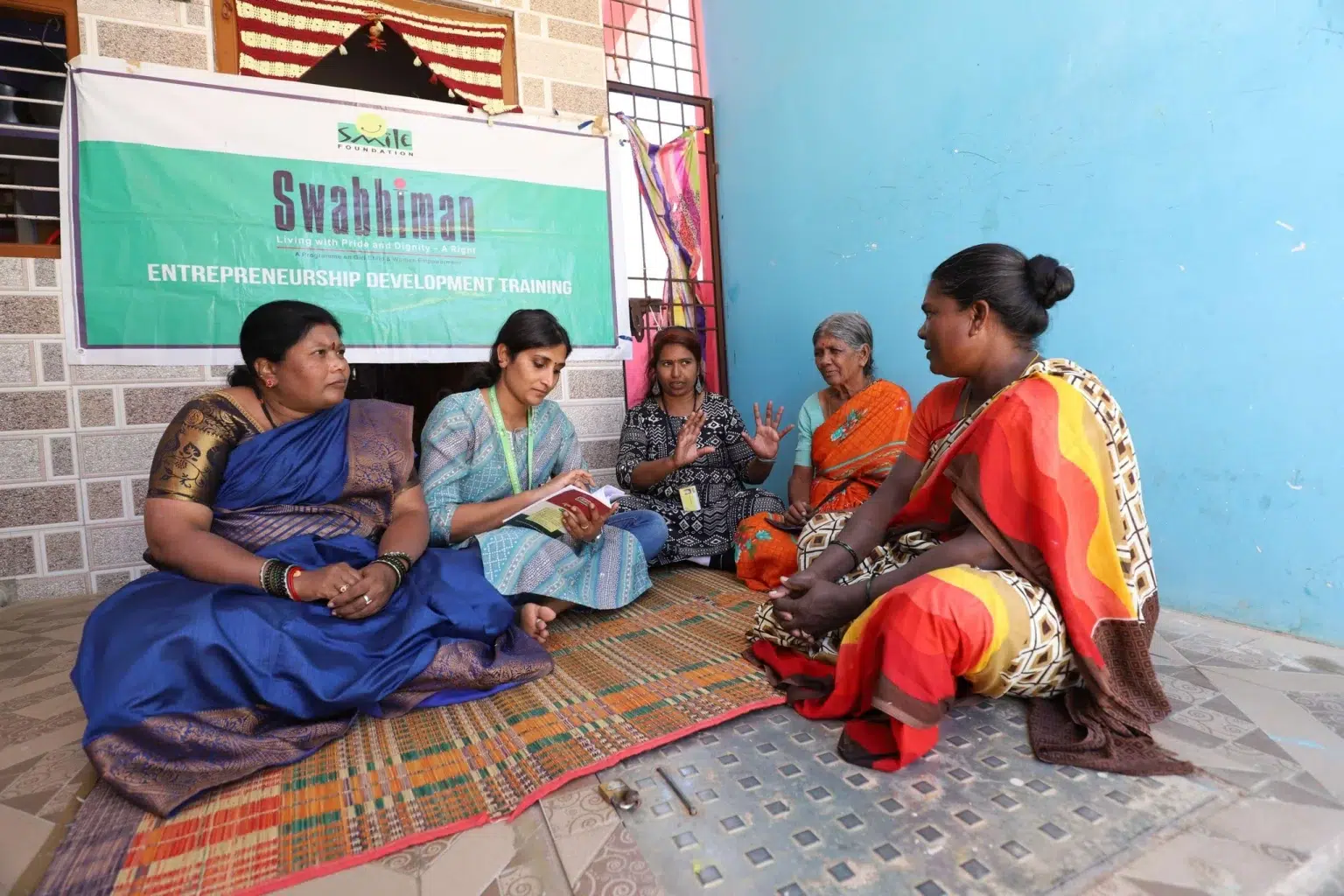
Smile Foundation India works in areas including livelihood development, women’s empowerment, and community support. Initiatives in these areas can help strengthen women’s capabilities and access to opportunities when they respond to the needs of the communities they serve.
Measuring Progress Meaningfully
Progress on women’s employment in India should be assessed using multiple indicators. These may include participation in paid work, job security, earnings, working hours, access to social protection, career progression, and representation across sectors.
Statistics should be interpreted with attention to the type of work being counted and the conditions under which it is performed. An increase in employment numbers is important, but the quality and sustainability of work also matter.
Conclusion
Women’s employment in India is influenced by education, skills, workplace conditions, care responsibilities, mobility, social expectations, and access to economic networks. Addressing these factors requires cooperation among employers, training institutions, public authorities, families, and community organisations.
When women can access safe, fairly paid, and sustainable work, they gain greater choices and opportunities to contribute their skills. Building an inclusive workforce means creating conditions in which women can enter employment, remain in work, develop their careers, and participate fully in economic life.