






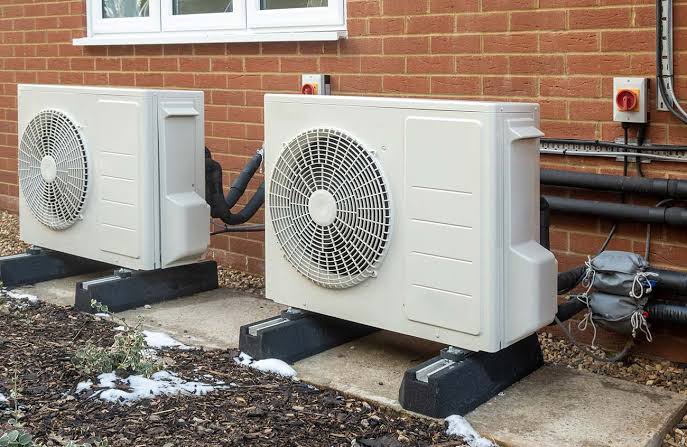
Replacing a boiler can mean a major investment and a new way to heat your home. The Boiler Upgrade Scheme (BUS) reduces upfront costs for eligible low-carbon heating in England and Wales. Applications are installer-led, but knowing the stages helps you assess quotes, confirm your role and avoid delays.
What is the Boiler Upgrade Scheme?
BUS is government support for property owners replacing fossil-fuel heating with an eligible heat pump or biomass boiler. Rather than receiving money after the work, you get the grant value as a discount on the installation quote. Your selected installer applies to Ofgem on your behalf and claims the grant after completing the project.
The support is intended to make a low-carbon heating system more affordable, not necessarily free. You are responsible for the remaining cost agreed with the installer, so review the full quote and payment terms before accepting.
How much grant support is available?
Current grant amounts depend on the technology:
•£7,500 towards an air-to-water heat pump.
•£7,500 towards a ground-source heat pump, including water-source heat pumps and shared ground loops.
•£2,500 towards an air-to-air heat pump.
•£5,000 towards an eligible biomass boiler.
Some households may receive a temporary extra £1,500 towards an air-to-water or ground-source heat pump. To qualify for this uplift, the property must be heated by oil or LPG and have no mains-gas connection. The additional support is available until 31 March 2027, subject to the rules in force when you apply. If eligible, this can bring the relevant grant to £9,000.
Only one grant is available per property. BUS does not cover hybrid systems that retain a fossil-fuel boiler as part of the heating arrangement, or replacement of an existing low-carbon heating system. Ask the installer to confirm which technology and grant amount apply to your proposal.
Check whether you may be eligible
You generally need to own the property and be replacing a fossil-fuel heating system, such as one using gas, oil, LPG or electricity. Eligible owners can include people with a main residence, second home, rental property or business premises. The scheme applies in England and Wales, not throughout the whole UK.
Most new-build properties and social housing are excluded, although some self-build homes can qualify if they meet specific conditions. You generally cannot claim for a system that has already received government or Energy Company Obligation support. Biomass boilers have additional restrictions, including rules on rural location, gas-grid connection and emissions standards.
Eligibility is only the first test. The proposed system must meet technical and efficiency requirements, and it must be correctly designed for the building. The installer can assess your property, but you should share accurate information about the current heating fuel, ownership and any previous grants.
Prepare for an installer assessment
Before a survey, note your current fuel and system, property ownership and any past public funding. Be ready to discuss insulation, radiator sizes, hot-water demand, controls and outdoor space. Ask how the proposed system will meet heat demand, what upgrades are recommended, and which are included in the grant-discounted quote. You do not have to insulate first, but reducing heat loss may improve comfort and performance.
How to apply: a step-by-step guide
1.Find an installer. Contact MCS-certified installers and request written, itemised quotes. Confirm that your preferred company takes part in BUS.
2.Share eligibility details. Tell the installer who owns the property, what fuel you use, whether mains gas is connected and whether you have received related funding.
3.Compare the full price. Check equipment, installation, old-boiler removal, electrical or radiator work, warranties and aftercare—not just the grant amount.
4.Agree and authorise. Confirm the scope and ask the installer to show the grant as an upfront quote deduction. Authorise them to apply on your behalf.
5.Confirm with Ofgem. Respond when Ofgem contacts you to verify consent and eligibility. Follow the message’s instructions promptly to prevent delays.
6.Complete the project. Your installer commissions the system and redeems the voucher. Keep the quote, contract, messages and final invoice.
The grant is not paid into your bank account; it is claimed by the installer and deducted from your bill. Ofgem may request information or check the installation. Voucher deadlines apply after approval, so ask your installer to explain dates and keep your paperwork handy.
Choose carefully and protect your budget
A Boiler Upgrade Scheme Grant can make a new heating system more accessible, but it is wise to assess the whole investment. Ask for a heat-loss assessment, a clear description of system controls and an estimate of running costs based on your home. Compare the remaining installation price as carefully as the grant amount.
Before signing, check the grant deduction, balance, included work and exclusions. Do not assume funding is approved; ask about the application status and what happens if Ofgem requests further information. Record all agreed terms clearly.
Frequently asked questions
1. Do I apply directly to Ofgem?
No. Your chosen MCS-certified installer submits the BUS application for you. Ofgem will contact you to confirm consent and some eligibility details.
2. Do I receive the grant as cash?
No. The grant is deducted from the installation quote. You pay the balance set out in your agreement with the installer.
3. Can landlords apply for a rental property?
Yes, property owners may apply for eligible rental properties. Social housing is excluded, and the property and installation must still meet all scheme conditions.
4. Can I use the grant for a new-build home?
Most new builds are excluded. Some self-build properties may be eligible if they meet the scheme’s specific requirements; ask your installer to check before proceeding.
5. Which parts of the UK are covered?
The Boiler Upgrade Scheme is for eligible properties in England and Wales. Residents in Scotland or Northern Ireland should check the support offered in their nation.