




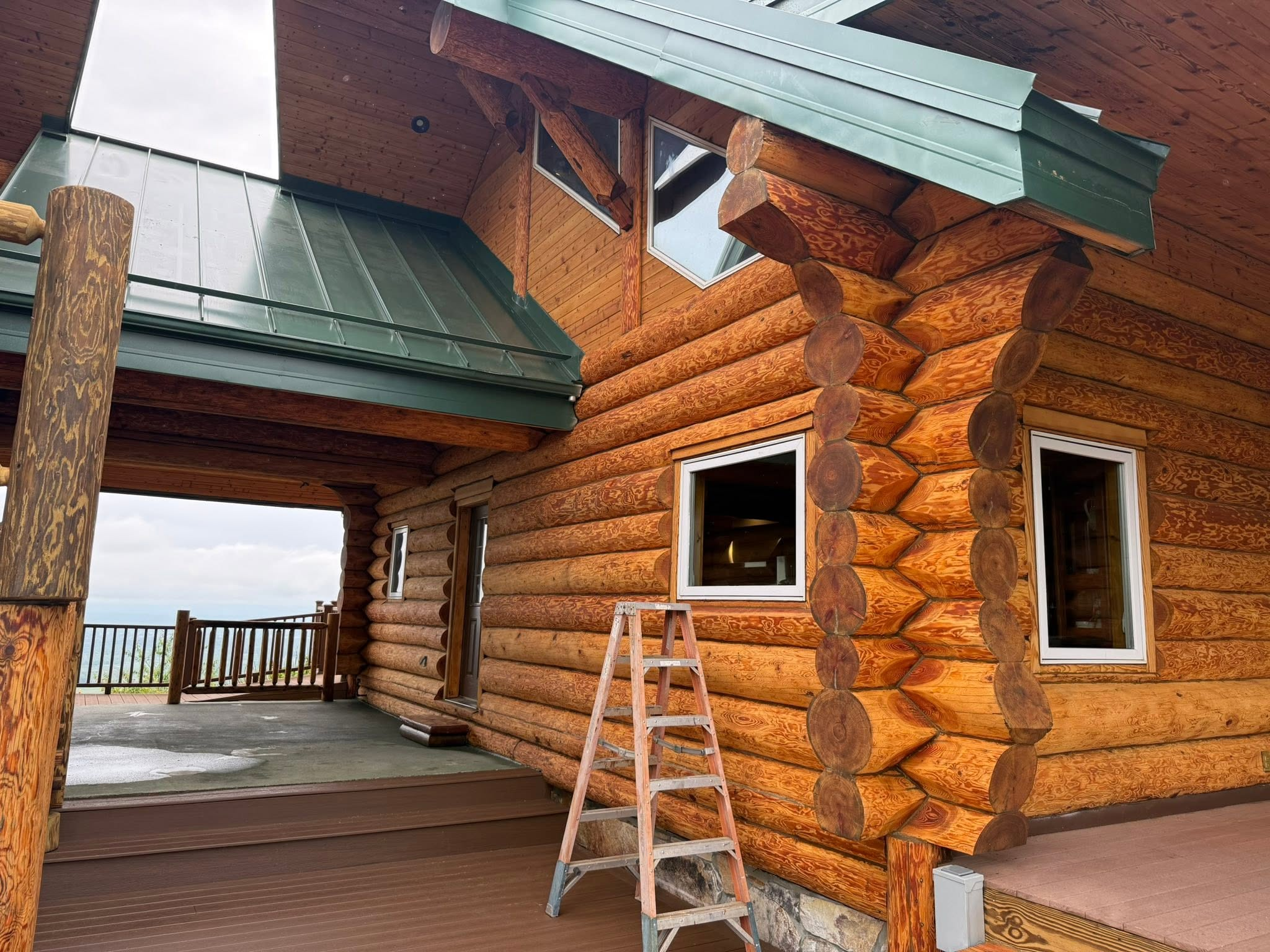
Log cabins have a certain charm that is hard to replace. The natural wood, rustic appearance, and warm atmosphere make them a popular choice for homeowners. But owning a log home also comes with responsibilities. Wood naturally expands, contracts, and shifts as temperatures and moisture levels change. Over time, these movements can create small gaps between logs, allowing outside air, moisture, insects, and even dust to enter the home. This is where log home caulking becomes important. The right caulking helps seal these openings, protect the wood, and maintain a comfortable indoor environment. However, not every sealant works for every log cabin. Choosing the wrong product can lead to cracking, peeling, and repeated repairs. So, before picking up a caulk gun, it helps to understand what your log walls actually need.
Why Caulking Matters for Log Cabin Walls
Log walls are different from conventional siding or brick walls. They are made from natural wood, which responds to changes in the surrounding environment. During warmer months, logs may absorb moisture and expand. In colder or drier conditions, they can shrink. These movements sometimes create spaces between individual logs.
If these gaps are left untreated, water can enter the wall system and contribute to wood deterioration. Cold drafts can also make rooms uncomfortable and increase heating costs. Insects may use these openings as easy entry points too.
Proper log cabin sealing helps prevent these problems. It creates a flexible barrier that moves with the wood instead of breaking whenever the logs shift. That flexibility is a big deal. A seal that looks fine during installation but cracks after one winter isn’t doing much good.
Understanding Different Types of Caulking for Log Homes
There are several types of sealants available, but they are not all designed for log construction. Knowing the difference can save homeowners time and money.
Acrylic Latex Caulk
Acrylic latex caulk is commonly used for basic household sealing projects. It is easy to apply, water-based, and can usually be painted after curing. However, standard acrylic caulk may not provide enough flexibility for the movement that occurs in log walls.
It can work for minor interior gaps or trim applications, depending on the product specifications. But for larger spaces between exterior logs, a more specialized sealant is generally a better option.
Silicone Caulk
Silicone sealant is known for its water resistance and flexibility. It performs well around windows, doors, and other areas exposed to moisture. Still, pure silicone is not always the ideal choice for log wall joints.
One issue is adhesion. Some silicone products do not bond well with certain wood surfaces or finishes. They can also be difficult to paint over. Before using silicone on a log cabin, check whether the manufacturer approves it for the specific application.
Polyurethane Sealants
Polyurethane sealants are designed to provide strong adhesion and good flexibility. They can handle movement and offer reliable protection against moisture when properly installed.
However, not every polyurethane product is made for log homes. Some are intended for concrete, masonry, or other construction materials. Always check the product label rather than assuming that a general construction sealant will work on natural logs.
Specialized Log Home Sealants
For most exterior log wall joints, specialized log home sealants are worth considering. These products are developed to handle the natural expansion and contraction of wood.
Many are elastomeric, meaning they stretch and return toward their original shape as the logs move. They are commonly used with appropriate backing materials to create a durable seal. Some products are also available in different colors, making it easier to match the natural appearance of the cabin.
Factors to Consider When Choosing Log Home Caulking
Choosing a sealant involves more than picking a product with a good price tag. A few important details should guide the decision.
Flexibility and Wood Movement
This should be one of the first things to check. Logs move throughout the year, and the sealant must accommodate that movement without pulling away from the wood. A rigid product may crack when the logs expand or shrink.
Look for a sealant specifically rated for movement in log structures. Its flexibility can make a major difference in how long the repair lasts.
Weather and Moisture Resistance
Exterior log walls deal with rain, snow, sunlight, humidity, and temperature changes. A suitable caulk should withstand these conditions without losing adhesion.
UV resistance also matters, especially on walls that receive direct sunlight throughout the day. A product that breaks down quickly under sun exposure will require more frequent maintenance.
Adhesion to Wood
Even a flexible sealant will fail if it cannot bond properly to the logs. The surface should be clean, dry, and free from loose material, dirt, and old failing sealant.
Some manufacturers recommend specific primers or compatible wood finishes. Follow those instructions carefully. Skipping surface preparation is one of the easiest ways to shorten the life of a caulking project.
Appearance and Color
Nobody wants an ugly sealant line running across an otherwise beautiful log cabin. Fortunately, many log home sealants come in colors that blend with common wood tones.
Consider the existing stain and finish before selecting a color. A small sample test can help avoid an unpleasant surprise once the entire wall is sealed.
Preparing Log Walls Before Applying Caulk
Good preparation is just as important as choosing the right product. Start by inspecting the walls and identifying gaps that actually require sealing. Look for loose material, damaged wood, old cracked caulk, and signs of water intrusion.
Remove failed sealant carefully without damaging the surrounding logs. Clean away dirt, dust, and debris, then allow the surface to dry according to the sealant manufacturer’s recommendations.
For larger joints, a suitable backer rod may be required. This material fills excess space and helps control the sealant’s depth. It also supports the sealant so it can stretch properly as the logs move. Applying caulk directly into an excessively deep opening is not always the right approach.
Never rush this stage. A few extra hours spent preparing the surface can prevent a lot of frustration later.
Common Caulking Mistakes Homeowners Should Avoid
One common mistake is using ordinary household caulk on every gap in a log cabin. It may look like a quick fix, but standard products often cannot handle the movement of log walls.
Another problem is applying sealant over dirty, damp, or deteriorating wood. Adhesion becomes unreliable, and the material may start separating much sooner than expected.
Some homeowners also apply too much caulk, assuming a thicker layer automatically means better protection. It doesn’t. Sealant depth, joint design, and backing material all matter.
Finally, don’t ignore existing wood damage. Caulking over rotten or deteriorating logs only hides the underlying problem. Damaged areas should be assessed and repaired before sealing.
When to Call a Log Home Professional
Small maintenance jobs may be manageable for experienced homeowners, but extensive gaps, recurring sealant failure, and signs of log rot deserve more attention. If water keeps entering through the same areas, there may be a larger issue behind the visible opening.
Working with a log home specialist can help identify the cause of the problem and determine the right repair method. They can assess the condition of the logs, recommend compatible sealants, and check whether additional work such as chinking, wood replacement, or refinishing is necessary. Getting the issue properly assessed is usually better than applying another layer of caulk and hoping it holds.
Conclusion
Choosing the right caulking for log cabin walls is about protecting the structure, not simply filling visible gaps. The right product should offer flexibility, strong adhesion, and resistance to changing weather conditions. Specialized log home sealants are often a practical choice because they are designed around the natural movement of wood.
Still, even the best sealant won’t perform well without proper preparation and application. Inspect the walls regularly, address damaged areas early, and use products that are suitable for your particular log construction. A little attention now can help prevent bigger repairs later. Log cabins require maintenance, that’s just part of owning one. But with the right approach to sealing and upkeep, those beautiful wood walls can remain strong, comfortable, and protected for years.