




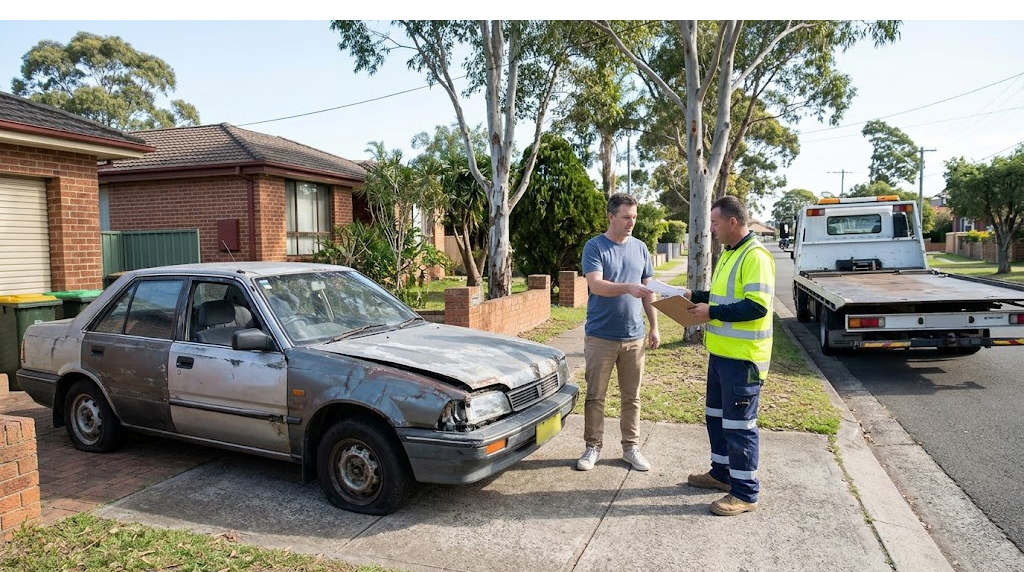
Owning a car that has reached the end of its useful road life can quickly turn from a minor nuisance into an expensive headache. Whether your vehicle suffered heavy structural damage during a collision on the M4, failed its annual safety check (pink slip), or simply succumbed to age and mechanical wear, leaving it unattended is rarely a sustainable choice.
In New South Wales, parking an unregistered or derelict vehicle on public streets invites council fines and impoundment notices. Keeping it parked in a driveway takes up valuable space, risks oil or fluid leaks onto pavers, and invites rust.
Sydney drivers facing this situation have several viable pathways to consider. The right choice depends on the extent of the damage, the market value of the make and model, and how quickly you need the space cleared.
1. Assessing the True Financial State of the Vehicle
Before committing to any disposal method, calculate whether repairing or selling the vehicle as a functioning runabout makes financial sense.
The Repair-to-Value Ratio
A practical rule of thumb is comparing the complete repair estimate against the car’s post-repair market valuation. If addressing a blown head gasket, failed transmission, or extensive panel damage costs more than 60% of what the vehicle would fetch on platforms like Carsales or Facebook Marketplace, repairing it rarely delivers a return on investment.
Inspection and Certification Realities
In NSW, light vehicles older than five years must pass an annual safety check before registration renewal. When a vehicle fails due to structural rust, compromised chassis rails, broken catalytic converters, or faulty airbag modules, mechanics cannot sign off on roadworthiness until repairs are finished. Investing thousands into an aging daily driver just to clear a roadworthy inspection often leads to a cycle of recurring repair bills.
2. Option A: Private Sale as a Repairer or Parts Project
If your car has cosmetic damage or a specific mechanical fault but the body panels and interior remain in reasonable shape, selling directly to a private hobbyist or backyard mechanic is one possible route.
-
Pros: Enthusiasts working on project builds may pay slightly more than base scrap value for rare trims, performance models, or sought-after four-wheel drives.
-
Cons: Listing a damaged car privately demands considerable patience. You will need to take detailed photos, field repetitive inquiries, deal with low offers, and accommodate viewing schedules.
-
Tow Considerations: If the car is unregistered or mechanically undriveable, potential buyers must arrange a tilt tray or car trailer to move it from your premises. Disagreements over transport costs often derail private deals at the last minute.
3. Option B: Parting Out the Vehicle Independently
Vehicle owners with mechanical knowledge, a safe workspace, and suitable tools sometimes consider dismantling the car themselves to sell high-demand components individually.
-
High-Demand Components: Alternators, starter motors, catalytic converters, alloy wheels, infotainment screens, and intact exterior panels (doors, mirrors, tailgates) often find buyers online.
-
The Drawbacks:
-
Time Commitment: Completely stripping a vehicle takes days or weeks of manual labour.
-
Storage Issues: A half-stripped shell can sit in your yard for months, gathering dirt and looking unsightly.
-
Environmental Responsibilities: Draining fluids like used motor oil, radiator coolant, and brake fluid requires proper storage and drop-off at authorized chemical disposal facilities to prevent environmental contamination.
-
Shell Disposal: After pulling the profitable pieces, you still need to arrange transport to dispose of the bare chassis.
-
4. Option C: Dealership Trade-In
Attempting to trade in a damaged or high-mileage vehicle during the purchase of a new car is convenient, but dealerships typically view damaged trade-ins as liabilities.
-
Wholesale Value: Dealers do not recondition heavily damaged or statutory write-off cars for their own car yards. Instead, they bundle them off to wholesale auctions.
-
Low Offers: Because of auction transport and administrative overheads, dealership trade-in values for non-running or damaged cars are generally negligible and may serve only as a symbolic token against your new contract.
5. Option D: Handing Over to Licensed Auto Wreckers
For the vast majority of non-running, unregistered, or accident-damaged vehicles across greater Sydney, engaging an automotive salvage and dismantling specialist is the most straightforward and financially practical path.
Unlike private buyers, auto wreckers evaluate a car based on two factors: the salvage value of its reusable original parts and the raw weight value of its recyclable scrap metal (steel, aluminium, and copper).
How the Process Works
-
Quotation: You supply the vehicle details (make, model, year, mechanical issues, location).
-
Collection: A tilt tray operator collects the vehicle directly from your home, business, or storage yard.
-
Settlement: The payment is completed electronically via direct bank deposit or cheque, in compliance with NSW scrap metal regulations.
To clear driveway space without paying towing fees or managing endless marketplace messages, scheduling a pickup through fast car removal sydney offers a simple, same-day solution for clearing damaged stock.
Identify Mechanical Failure ➔ Assess Repair Cost vs Market Worth ➔
 Select Practical Disposal ➔ Finalize Paperwork with Service NSW
6. Crucial Legal Steps for NSW Car Owners
Regardless of which disposal method you choose, failing to complete the necessary administrative tasks can leave you legally liable for tolls, traffic infringements, or abandoned vehicle fines.
Step 1: Remove Personal Belongings and Toll Tags
Search the glove compartment, under the front seats, boot pockets, and door bins. Most importantly, unclip your e-Toll or Linkt toll tag from the windscreen. If left in a vehicle carried on a tow truck, it can continue registering toll gantry charges along motorways like the WestConnex or M7.
Step 2: Detach Number Plates
Always unscrew both front and rear registration plates yourself before the car leaves your property. Plates must be returned directly to a Service NSW centre to officially cancel registration and safeguard against identity cloning or plate misuse.
Step 3: Complete the Notice of Disposal
Log in to your Service NSW online portal or complete a paper transfer form to submit an official Notice of Disposal. This step updates the Transport for NSW registry immediately, severing your legal liability for the car from the exact date and minute recorded.
Step 4: Claim Remaining Registration and CTP Refunds
If your vehicle still has active registration when you decide to scrap it, surrendering the plates to Service NSW allows you to apply for a pro-rata refund on the remaining motor vehicle tax. You can also take your cancellation receipt to your Compulsory Third Party (CTP) green slip insurer to claim back any unexpired premium.
Frequently Asked Questions
What happens if I leave an unregistered damaged car on the street in Sydney?
Under the NSW Local Government Act, municipal councils routinely monitor public roads for stationary vehicles without valid registration or number plates. If detected, council rangers will place an impound warning sticker on the vehicle, giving you a short window to move it onto private land. If ignored, the council will tow and impound the vehicle at your expense, followed by heavy abandoned-vehicle fines.
Can I scrap a damaged car if I have lost the original registration papers?
Yes. Registration papers are helpful, but auto wreckers primarily require clear proof of ownership and identity verification to comply with local trade laws. A valid photo ID (such as an Australian Driver Licence or Passport) along with matching registration details, previous purchase receipts, or an active Service NSW account display will satisfy yard requirements.
Why do NSW auto wreckers refuse to pay physical cash for scrap vehicles?
Under the NSW Scrap Metal Industry Act 2016, commercial buyers and motor dismantlers are strictly prohibited from paying physical cash for scrap metal or salvage vehicles. All transactions must be processed via traceable electronic funds transfer (EFT) or non-transferable cheque. This law was introduced to curb vehicle theft, catalytic converter theft, and unauthorized dismantling rings across the state.
Can I sell a vehicle that has been classified as a write-off?
Yes, but you must know its legal classification:
-
Repairable Write-Off: These can technically be repaired, inspected, and re-registered, though the stringent VIV (Vehicle Identity Validation) inspection makes this impractical for older models.
-
Statutory Write-Off: These vehicles have suffered severe structural, water, or fire damage. In NSW, a statutory write-off can never be re-registered on Australian roads under any circumstances. They can only be used for harvestable spare parts or crushed for metal recycling.
Is it worth fixing panel damage before selling an older car?
In most cases, no. Panel beaters charge professional labour and paint rates that quickly outstrip the market uplift for an older car. Most buyers in the budget or salvage market expect dents and clear-coat failure; spending hundreds on cosmetic touch-ups rarely produces an equivalent bump in final sale price.