





Electric vehicles are changing how people think about everyday transportation, and convenient charging is becoming an important part of this transition. As EV ownership grows, drivers need practical ways to recharge at home, manage charging sessions, and locate suitable charging points when travelling. A home ev charging station can make daily charging more convenient by bringing the facility closer to the vehicle owner’s routine. At the same time, an app for ev charging stations can simplify access, planning, monitoring, and payment. This article explores different use cases for modern EV users.
Convenient Charging at Home
One of the most useful applications of a home ev charging station is making regular charging part of a driver’s daily routine. Instead of planning a separate trip to a public charging location, an EV owner can charge the vehicle while it is parked at home.
This can be particularly useful for people who:
- Use their EV for daily commuting
- Park their vehicle at home overnight
- Follow predictable travel schedules
- Prefer charging during convenient hours
- Want easier access to their vehicle after charging
Home-based charging can turn a necessary vehicle task into a routine household activity.
Supporting Daily Commuting
Daily commuters often follow similar travel patterns throughout the week. Having charging access where the vehicle is parked for several hours can help fit charging into this routine.
For example, a driver can connect the vehicle after returning home and leave it charging while completing household activities or sleeping. This can reduce the need to make separate charging stops during busy weekdays.
Useful for Different Commuting Patterns
Home charging can support:
- Short daily commutes
- Regular office travel
- School or college journeys
- Local business trips
- Frequent short-distance travel
The charging schedule can be adjusted according to vehicle usage and individual requirements.
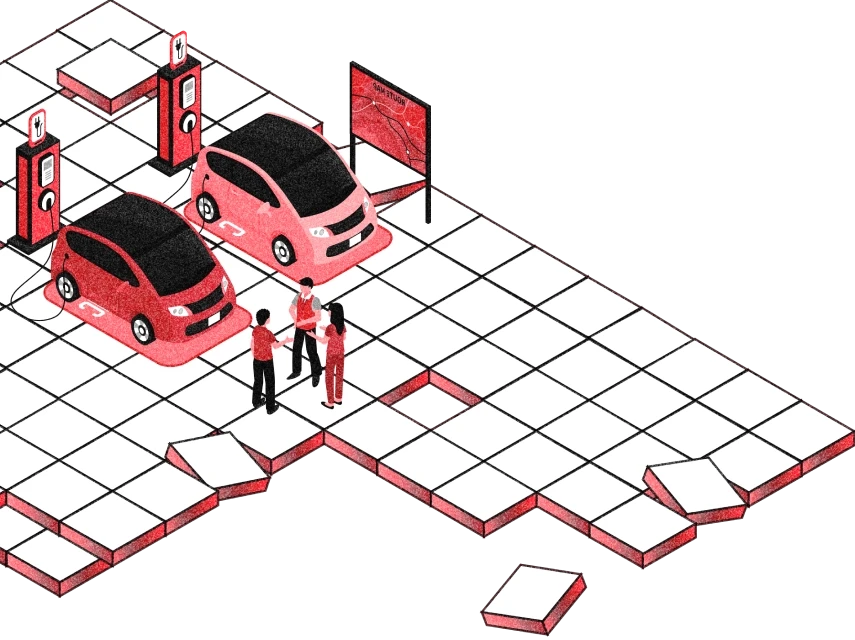
Managing Charging Through Digital Tools
Physical charging infrastructure becomes more useful when combined with digital technology. An app for ev charging stations can give users a convenient way to interact with charging services through a smartphone.
Depending on available features, users may be able to:
- Find charging locations
- Check charger availability
- Start or stop charging sessions
- View charging information
- Manage payments
- Review previous charging activity
Having these functions in one digital interface can make charging easier to manage and reduce the effort involved in finding and using charging facilities.
Planning Longer Journeys
EV drivers travelling longer distances need to consider where and when they can recharge. Digital charging applications can help make this planning process more organized.
Before starting a journey, a driver may use an app to identify charging locations along or near the planned route. This can help answer practical questions such as:
1. Where Can I Charge?
Drivers can identify charging points in relevant areas and consider them while planning their journey.
2. Is a Charger Available?
Availability information can help users decide where to stop and avoid unnecessary waiting.
3. How Can I Manage the Session?
Digital controls can make it easier to interact with supported charging services and monitor an ongoing session.
Planning ahead allows drivers to incorporate charging stops into longer journeys instead of treating charging as an unexpected interruption.
Making Charging Easier for New EV Owners
People who are new to electric vehicles may initially be unfamiliar with charging procedures and available infrastructure. Digital tools can make the experience easier by bringing important information into one place.
An app for ev charging stations can potentially guide users through different stages of the charging process, from finding a suitable location to managing a session.
A simple digital experience can help users become more comfortable with:
- Locating charging points
- Understanding availability
- Starting charging
- Monitoring sessions
- Completing payments
- Reviewing charging history
This can make the overall EV ownership experience more straightforward.
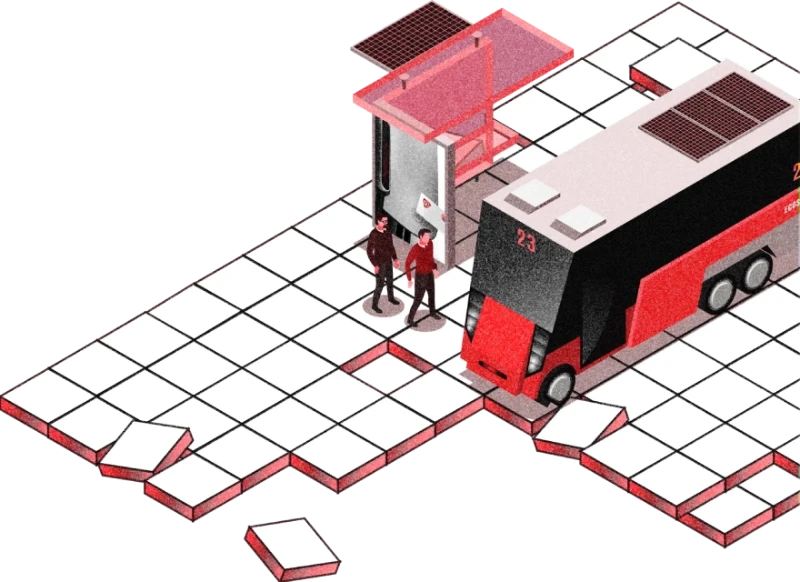
Supporting Residential Communities
Charging requirements can extend beyond individual houses. Apartment complexes and residential communities may also need charging facilities for multiple EV owners.
A shared charging setup can be useful when residents have designated or common parking spaces. Digital management can further help users coordinate access and understand charger availability.
Possible Community Uses
Residential charging solutions can support:
- Multiple EV-owning households
- Shared parking facilities
- Visitor charging
- Scheduled charging access
- Monitoring of charging activity
As more residents adopt electric vehicles, organized charging can become an important part of residential infrastructure.
Monitoring Charging Activity
Digital connectivity can also help EV users understand their charging habits. Information about charging sessions may provide a clearer picture of when and how often the vehicle is being charged.
This can be useful for people who want to:
- Track charging sessions
- Review charging history
- Understand regular usage patterns
- Monitor expenses where supported
- Plan future charging requirements
Having this information accessible digitally can make vehicle and charging management more organized.
Supporting Different User Needs
Charging infrastructure is used by people with different lifestyles, travel distances, and vehicle requirements. A combination of convenient physical charging and digital management can accommodate these differences.
For example, a user who primarily drives locally may rely heavily on residential charging, while someone who travels frequently may need public charging locations. Fleet users may require more structured charging schedules, while occasional drivers may mainly need location and availability information.
This makes charging technology useful across several everyday scenarios rather than for only one type of EV user.
Improving the Charging Experience With Digital Connectivity
Digital technology in EV charging can go beyond simply locating a charger. Connected systems can bring together information about charging infrastructure and user activity, helping create a more coordinated experience.
A connected charging platform can serve as a central access point for supported services. Depending on the system, it may combine location information, charger status, session controls, and payment-related functions.
For operators, connected technology can also provide better visibility into infrastructure usage. This can help them understand demand and identify areas where charging services may need improvement or expansion.
Preparing for Growing EV Adoption
As electric mobility expands, charging infrastructure will need to support a growing number of vehicles and increasingly varied use cases. Home charging can address regular day-to-day needs, while connected public charging can support drivers when they are away from home.
The combination of physical infrastructure and digital services can create a flexible charging ecosystem. Users can charge where it is convenient and access relevant information when planning or managing their sessions.
For this reason, charging solutions can become an important part of modern mobility infrastructure, supporting individual drivers, residential communities, commuters, fleet users, and long-distance travellers.
Conclusion
A home ev charging station can make regular charging a convenient part of everyday life, while an app for ev charging stations can simplify locating chargers, managing sessions, checking information, and planning journeys. Together, physical and digital charging solutions can support home users, commuters, residential communities, and long-distance travellers. As electric mobility develops, these use cases can help make charging more accessible and organized. ChargeZone supports this evolving ecosystem through data and software solutions designed to advance electric vehicle adoption and India’s vision for a fully connected EV network.