





Buying half a cow near me in Tomball sounds simple until you start asking how much meat you actually bring home. Then everybody gives you a different number. Two hundred pounds, three hundred, four hundred. Somebody’s cousin swears it filled two freezers. Honestly, nobody told me either, the first time. I learned it the slow way, standing in a garage with a tape measure and a very confused look. So let’s sort it out. This post breaks down the weights, the cuts, the costs and the freezer math, in plain talk, so you know what to expect before you write a check. Because surprises are fun at birthdays, not at the butcher counter.
Live Weight, Hanging Weight and Packaged Weight
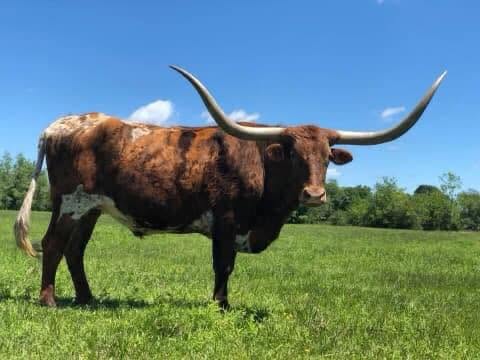
Here’s the part that confuses almost everyone, three different weights. First there’s live weight, what the animal weighs standing in the pasture, usually somewhere around 1,200 to 1,400 pounds for a finished steer. Then hanging weight, also called carcass weight, which is what’s left after the head, hide, hooves and insides are removed. That’s roughly 60 percent of live weight. Last is the packaged weight, what actually lands in your freezer. Each number drops, and that’s normal. Nobody’s cheating you. Think of it like a chain, each link shorter than the last.
So How Much Beef Is in Half a Cow?
So do the math. A 1,300 pound steer might give a hanging weight around 780 pounds. Half of that is about 390 pounds hanging. After the butcher trims fat, pulls bone and cuts everything down, you typically take home somewhere around 60 to 70 percent of the hanging weight. That puts a half beef at roughly 230 to 280 pounds of packaged meat, give or take. Bone-in cuts weigh more, boneless cuts weigh less, and a leaner animal loses less trim. A bigger, heavier-boned breed might land lower, a tight well-fed animal a bit higher. That’s why ranchers give you a range and not a promise. It’s not exact, and any rancher who promises an exact number is guessing.
What Cuts Come With a Half Beef
What does that look like on your plate? Roughly speaking, you’ll get a lot of ground beef, often forty percent or so of the total. Ground beef alone can run a hundred pounds or more, so get used to tacos. Then steaks, ribeyes, strips, sirloins, maybe T-bones or filets depending on how you cut it. Then roasts like chuck and rump, plus brisket, short ribs, stew meat, and sometimes soup bones, liver and tongue if you want them. Quick note, odd cuts are optional, just ask. It’s a real mix. Don’t expect all steak. If your family loves burgers and chili, you’ll be thrilled. If you only eat filets, a half cow probably isn’t your thing.
Customizing Your Cut Sheet
You also get a say in how it’s cut. Before processing, the rancher or butcher gives you a cut sheet, basically a menu where you pick steak thickness, roast sizes, how many pounds per package, and whether you want bone-in or boneless. Takes about ten minutes, but it’s worth doing slowly. Smaller packages suit couples, bigger ones suit families. Want more ground and fewer roasts? Say so. Want that brisket left whole for smoking? Say so. Be careful though, choices change your final weight, so ask the rancher how a boneless request will shrink the total.
Finding Ranches Near You
Finding the right place matters as much as the weights. Searching ranches near me in Tomball turns up plenty of names, but not all of them handle halves the same way. Ask where the cattle were raised, how they were fed, and which processor does the work. Ask whether the price is by hanging weight or packaged weight, and whether cutting and wrapping are included. And ask how soon the next processing slot opens, since the good ones fill up quick. Visit if you can. A rancher who’s proud of the herd won’t mind questions. Get everything in writing before any deposit changes hands.
What Half a Cow Really Costs
Now the money. Prices vary, but you’ll often see a per pound rate on the hanging weight, plus a processing fee that covers cutting, wrapping and sometimes aging. Say a hanging weight rate of a few dollars a pound sounds cheap, then processing adds up. Always run the whole number. Add the two together, then divide by the packaged pounds you take home. That’s your real price per pound, and it’s the only number that matters. Compare it against what you spend on beef at the store, steaks, roasts and ground beef all averaged out. For many families the savings are real, especially with heavy beef eaters in the house.
How Much Freezer Space You Need
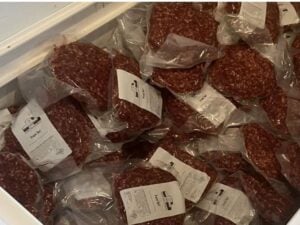
Freezer space is the thing people forget. The rule of thumb is about one cubic foot for every 35 to 40 pounds of packaged meat, so a half beef needs around seven to eight cubic feet. That’s a decent chest freezer, not the little top freezer on your fridge. Meat vacuum sealed and held at zero degrees stays good for about a year. Plan your delivery or pickup date, clear the space, and maybe grab a few bags of ice for the drive home. It’s a lot of plastic and paper too, so label packages by date. Little stuff, but it saves headaches.
Final Thoughts on Buying Half a Cow
So how much beef do you get with half a cow? Roughly 230 to 280 pounds of packaged meat, depending on the animal and your cut choices. It’s a lot of food, enough to feed a family for many months, but only if you’ve planned the freezer, the budget and the cut sheet. Ask the awkward questions, get the numbers in writing, and pick a rancher you trust. Do that and a half beef is one of the best food decisions you’ll make. Simple, really.
Frequently Asked Questions
How much meat do you get from buying half a cow near me in Tomball?
Usually about 230 to 280 pounds of packaged beef, depending on the animal’s size, trim and whether you choose bone-in or boneless cuts. Ask the rancher for an estimate.
What’s the difference between hanging weight and packaged weight?
Hanging weight is the carcass after the head, hide and insides are removed. Packaged weight is what you take home after bones and trim are removed, typically 60 to 70 percent of hanging weight.
How much freezer space does half a cow need?
Plan on roughly seven to eight cubic feet. A chest freezer is the easiest way to store it.
What cuts come in a half beef?
A mix of ground beef, steaks, roasts, brisket, ribs and stew meat, and sometimes organ meats if you ask. You choose thickness and package sizes on the cut sheet.
How do I find ranches near me in Tomball that sell half beef?
Search local ranches, ask about how cattle are raised and processed, confirm pricing by hanging weight, and visit if you can. Get terms in writing before paying a deposit.