


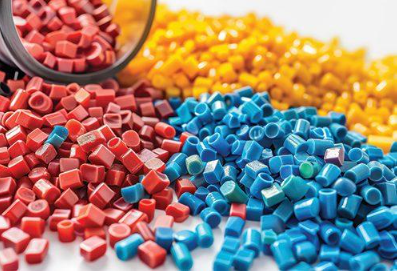
Masterbatch selection starts with the polymer. Polyethylene and polypropylene are both widely used thermoplastics, but their processing characteristics and applications differ. Using the wrong concentrate can lead to poor dispersion, inconsistent colour or reduced product performance. For this reason, polyethylene masterbatch and PP masterbatch should be selected according to polymer grade, process and end-use requirements.
Understanding Polymer-Specific Masterbatch
Masterbatch combines concentrated additives or pigments with a carrier resin. During production, the concentrate is blended with the base polymer.
The carrier should have good compatibility with the target polymer. A polyethylene-based masterbatch is generally designed for polyethylene systems, while a PP-compatible grade is designed for polypropylene processing.
This does not mean every PE or PP product needs the same formulation.
Polyethylene Masterbatch
Polyethylene covers several commercially important materials, including LDPE, LLDPE and HDPE. Each has different processing and application characteristics.
LDPE and LLDPE are widely used in films and flexible packaging. HDPE is common in containers, pipes and rigid products.
The required masterbatch depends on the final application. For example, a film producer may prioritise dispersion and optical appearance. A rigid HDPE product may place greater emphasis on colour strength, mechanical performance and processing stability.
Common PE Applications
- Films
- Packaging
- Containers
- Pipes
- Agricultural products
- Household products
- Industrial components
The additive package can provide colour, UV protection, slip, anti-block or other functionality depending on the formulation.
PP Masterbatch
Polypropylene is widely used in injection moulding, woven products, automotive components, packaging and household products.
PP masterbatch is formulated for polypropylene processing and may contain pigments or functional additives. The same principle applies. The masterbatch must match the intended application.
Why Carrier Compatibility Matters
Carrier compatibility affects dispersion. A poorly matched carrier may create processing problems or uneven additive distribution.
Good dispersion is important because the masterbatch must distribute throughout the polymer melt. For colour masterbatch, poor dispersion may produce streaks or colour variation. For functional additives, inconsistent distribution can affect product performance.
Dosage and Dispersion
Dosage depends on pigment strength, additive concentration, polymer and desired final properties. Processors should follow the supplier’s recommended let-down ratio and confirm performance through trials.
The actual machine conditions also matter. Temperature, screw design, mixing intensity and residence time influence dispersion.
Practical Selection Guide
Before purchasing polyethylene masterbatch or PP masterbatch, document the base polymer grade, processing method, product application, desired colour or function, required dosage, product thickness, operating environment and regulatory requirements where relevant.
This information helps the supplier recommend a more appropriate grade.
A manufacturer producing LLDPE film, for example, should provide the film thickness and processing conditions. A PP injection-moulding company should share its resin grade and moulding parameters.
Surya Compounds & Masterbatches works with polymer-based masterbatch and compound requirements, making application details useful when discussing material selection.
Conclusion
Polyethylene masterbatch and PP masterbatch are not interchangeable by default. The right choice depends on polymer compatibility, application, processing method and required performance.
A disciplined selection process reduces trial-and-error and helps manufacturers achieve more consistent production.
FAQs
What is ?polyethylene masterbatch
It is a concentrated pigment or additive formulation designed for compatible polyethylene processing systems.
What is ?PP masterbatch
It is a concentrated colour or additive formulation designed for polypropylene applications.
Can one masterbatch work with both PE and PP?
Some formulations are designed for broader compatibility, but suitability should be confirmed with the supplier.
Why does the carrier resin matter?
The carrier affects dispersion and compatibility with the base polymer.
How should manufacturers determine dosage?
Follow the supplier’s recommended let-down ratio and validate it through production trials.