





Choosing the right educational path is an important first step for anyone interested in a career in massage therapy. A quality massage therapist school should provide more than basic hands-on practice. Students need structured instruction in anatomy, physiology, kinesiology, massage techniques, ethics, professional practices, and applicable state requirements. In Texas, massage therapy education is regulated by the Texas Department of Licensing and Regulation (TDLR), which establishes minimum education requirements for aspiring massage therapists. Understanding these standards can help prospective students compare programs and make informed decisions about their education and future career.
How Hands-On Training Builds Practical Skills
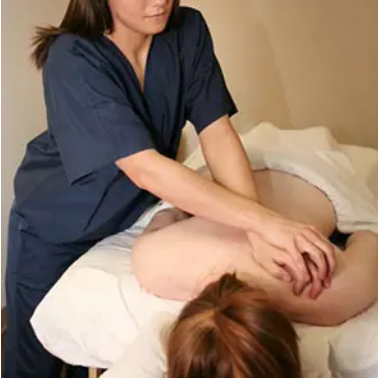
Massage therapy is a hands-on profession, so practical experience is an important part of education. Students need opportunities to develop proper body mechanics, pressure control, communication skills, positioning, draping procedures, and technique application under appropriate supervision. For someone searching online for a massage therapist near me, understanding this training process is useful because it highlights the difference between professional massage therapy and informal massage instruction.
What Should Students Look for in a Program?
Several factors can help prospective students evaluate a massage therapist school.
State Approval and Curriculum
Students should confirm that the school is properly licensed and that its curriculum meets Texas requirements. TDLR maintains information about licensed massage schools and approved curriculum requirements.
Practical Instruction
Look for programs that provide meaningful supervised practice rather than relying primarily on theoretical instruction. Massage therapy requires repeated practice to develop technical consistency and professional confidence.
Qualified Instructors
Instructor qualifications also matter. Texas requires massage therapy instructors to meet specific requirements, including holding a current Texas massage therapist license and having relevant professional experience.
Transparent Costs
Students should understand tuition, fees, payment policies, and any additional costs before signing an enrollment agreement. Texas rules require schools to disclose relevant tuition and fee information to prospective students.
What Happens After Massage Therapy School?
Students interested in working as a massage therapist in San Antonio should consider how their education can prepare them for different professional settings. Massage therapists may work in wellness facilities, spas, rehabilitation environments, fitness-related settings, private practices, or other settings where massage therapy services are legally provided.
Understanding the Local Massage Therapy Career Path
People searching for services such as full body massage in San Antonio may encounter professionals with different areas of training and experience. A properly educated and licensed therapist has completed formal training and met the regulatory requirements necessary to practice in Texas.
For students, this makes choosing the right educational foundation especially important. A strong program can help develop technical knowledge, professional communication, client-care skills, and an understanding of the legal and ethical responsibilities associated with massage therapy.
Why Continuing Education Remains Important
Learning does not necessarily end after initial massage therapy education. Continuing education can help professionals maintain their knowledge and stay current with accepted practices and regulatory expectations. Choosing a massage therapist school should involve more than comparing schedules or tuition. Prospective students should examine the curriculum, supervised practical training, instructor qualifications, licensing status, costs, and preparation for Texas licensing requirements.
Conclusion
The right education can establish a strong foundation in anatomy, massage techniques, professional ethics, and client safety while helping students understand the responsibilities of professional practice.
For those researching Academy for Massage Therapy Training, it is equally important to evaluate the program against the broader educational and regulatory standards that apply to massage therapy training in Texas. Taking time to compare these factors can help students make a more informed decision about their education and long-term career direction.