





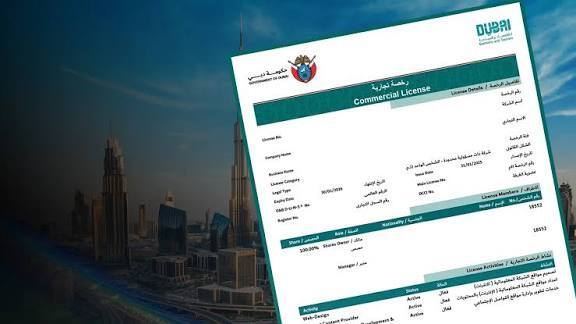
Dubai has become one of the most attractive destinations for entrepreneurs and investors looking to establish businesses in the UAE. Whether you plan to start a trading company, professional services business, consultancy, or another commercial venture, obtaining the right trade licence is an essential part of the setup process.
The exact requirements depend on your business activity, company structure, and chosen jurisdiction. Understanding each stage before starting can make the process more straightforward and help you prepare the required documents in advance.
This guide explains how Trade Licence Registration in Dubai works and what entrepreneurs should consider before applying.
What Is a Trade Licence in Dubai?
A trade licence is an official authorisation that allows a company to conduct specific business activities in Dubai. The licence is issued by the relevant authority based on where the business is established.
For mainland businesses, the Department of Economy and Tourism (DET) is the relevant licensing authority. Businesses established in free zones obtain their licences from the respective free zone authority.
The type of licence you require depends on what your company intends to do. Common categories include commercial, professional, industrial, and specialised licences.
Step 1: Choose Your Business Activity
The first step is deciding exactly what business activity you want to carry out.
Dubai provides a wide range of permitted activities, including trading, consultancy, technology services, marketing, e-commerce, contracting, manufacturing, and professional services.
Your selected activity is important because it determines the licence category, approvals, and sometimes the legal structure available to you.
If you plan to conduct multiple activities, you should check whether they can be included under the same licence or whether additional approvals are required.
Choosing the correct activity at the beginning can help prevent delays and unnecessary amendments later.
Step 2: Select Mainland or Free Zone
The next decision is whether you want to establish your business in mainland Dubai or a free zone.
A mainland company can generally conduct business throughout the UAE, subject to the applicable regulations and activity requirements. It can also be suitable for businesses that want to serve the local market and operate from a commercial location in Dubai.
Free zones, on the other hand, are specialised business jurisdictions offering different licensing packages, infrastructure, and commercial benefits.
The right choice depends on your customers, business activity, office requirements, visa needs, and expansion plans.
Step 3: Choose a Legal Structure
After selecting your activity and jurisdiction, you need to determine the appropriate legal structure.
Depending on the business and activity, options may include a limited liability company, sole establishment, civil company, or another approved structure.
An LLC is a popular option for many entrepreneurs because it provides a recognised corporate structure and can be suitable for a wide range of commercial activities.
However, the appropriate structure should be determined according to your specific activity, ownership arrangement, and regulatory requirements.
Step 4: Reserve a Trade Name
Once the basic business structure has been decided, you generally need to select and reserve a trade name.
The proposed name must comply with the applicable naming rules. It should not violate public order or contain prohibited terms, and it should meet the authority’s requirements.
Entrepreneurs should prepare several alternatives in case their preferred name is already registered or cannot be approved.
A suitable trade name can then be reserved through the relevant authority before proceeding with the remaining registration steps.
Step 5: Obtain Initial Approval
Initial approval is an important stage in the company formation process.
It indicates that the relevant authority has no objection to proceeding with the business establishment, subject to completing the remaining requirements.
Depending on the business activity and company structure, additional approvals may be required from other government or regulatory authorities.
Businesses operating in regulated industries should identify these requirements early to avoid delays.
Step 6: Prepare the Required Documents
The documents required for Trade Licence Registration in Dubai depend on the legal structure, ownership, activity, and jurisdiction.
Common documents may include:
- Passport copies of shareholders
- Passport copies of managers
- Proposed trade name
- Initial approval documentation
- Application forms
- Memorandum of Association where applicable
- Tenancy or office-related documents
- Additional approvals for regulated activities
Some documents may need certification or attestation depending on their origin and the circumstances of the application.
It is important to check the current requirements with the relevant licensing authority before submitting your application.
Step 7: Arrange a Business Address
Many Dubai businesses require an approved business address as part of the licensing process.
The office requirement can vary depending on the business activity and jurisdiction. Some businesses may require a dedicated physical office, while certain structures or packages may provide flexible workspace solutions.
Your office should satisfy the requirements applicable to your licence and business activity.
Choosing the right workspace also matters from a practical perspective because your office can affect your company’s operating costs, employee capacity, customer meetings, and future expansion.
Step 8: Submit the Licence Application
After preparing the required documents and completing the relevant approvals, you can submit the business licence application to the appropriate authority.
For a mainland business, the application is generally handled through the Department of Economy and Tourism or its approved channels. For a free zone company, the relevant free zone authority manages the application.
The authority reviews the submitted information and documents before issuing the licence once the requirements have been fulfilled.
Step 9: Pay the Applicable Fees
The total cost of obtaining a trade licence depends on several factors.
These may include:
- Business licence fees
- Trade name reservation
- Initial approval
- Registration charges
- Office or tenancy expenses
- Government and administrative charges
- External approvals
- Visa and immigration-related expenses
The final cost therefore differs from one business to another.
Entrepreneurs should request a detailed cost breakdown before starting the application so they understand both initial setup expenses and recurring renewal costs.
Step 10: Complete Post-Licensing Requirements
Receiving your trade licence is a major milestone, but there may still be additional steps before your business can operate fully.
Depending on your company, these may include applying for establishment or immigration-related registrations, arranging employee visas, opening a corporate bank account, registering for applicable tax obligations, and setting up accounting and compliance procedures.
If your company will employ staff, additional labour and immigration requirements may also apply.
How Long Does Trade Licence Registration Take?
The registration timeline depends on the business activity, legal structure, jurisdiction, document readiness, and whether additional government approvals are required.
Straightforward applications can often move faster when all documents are correctly prepared. Regulated activities or applications requiring external approvals may take longer.
Preparing your documents and selecting the correct activity before submitting the application can help reduce unnecessary delays.
Common Mistakes to Avoid
Entrepreneurs can encounter problems when they select the wrong business activity, underestimate office requirements, submit incomplete documentation, or choose a jurisdiction without considering their long-term plans.
Another common mistake is comparing companies based only on the initial licence price.
A low-cost package may not include every service you need, such as office facilities, visas, government registrations, or additional approvals.
Instead, compare the complete setup requirements and recurring expenses before making your decision.
How Takween Advisory Can Help
Navigating the licensing process can be easier with professional guidance. Takween Advisory assists entrepreneurs with business setup planning, licence selection, documentation, and other company formation requirements in Dubai.
Whether you are establishing a mainland company or considering a free zone structure, the right approach begins with identifying your business activity and understanding the applicable requirements.
If you are planning Trade Licence Registration in Dubai, Takween Advisory can help you evaluate the available options and organise the setup process according to your business requirements.
Conclusion
Obtaining a trade licence is a fundamental step when starting a business in Dubai. The process involves selecting the right business activity, choosing a jurisdiction, determining the legal structure, reserving a trade name, obtaining approvals, preparing documents, arranging an appropriate business address, and submitting the licence application.
Because requirements and costs can vary depending on the nature of your company, it is important to plan carefully before submitting an application.
With the right preparation and professional assistance from Takween Advisory, entrepreneurs can approach Trade Licence Registration in Dubai with greater clarity and establish a business structure designed to support their long-term goals.