






Antique furniture and valuable household belongings often carry more than financial worth. They may represent family history, personal memories, or collections that have taken years to build. Whether you are renovating your home, relocating, downsizing, or simply creating additional space, storing these possessions requires careful planning. Unlike everyday household items, antiques and delicate valuables can be particularly sensitive to moisture, temperature changes, dust, and improper handling.
Choosing the right storage environment and preparing belongings correctly can help prevent unnecessary damage and preserve their condition for years. Fortunately, protecting valuable possessions does not have to be complicated. With the right techniques and suitable secure household storage, you can keep your belongings organized, protected, and ready to use whenever needed.
1. Clean and Prepare Antique Furniture Before Storage
Before placing antique furniture into storage, take time to clean and prepare each piece properly. Dust, dirt, food particles, and other residues can gradually affect delicate surfaces, especially when furniture remains untouched for several months.
Start by gently removing dust with a soft microfiber cloth. For wooden furniture, use a cleaning product specifically designed for the existing finish. Avoid excessive water, harsh chemicals, and abrasive materials because they may damage original coatings, discolor wood, or weaken delicate details.
Upholstered furniture requires additional attention. Vacuum fabric surfaces using an appropriate upholstery attachment to remove dust and loose debris. Make sure every item is completely dry before packing it. Storing furniture with trapped moisture can encourage mold growth and unpleasant odors.
For especially valuable antiques, consider consulting a professional furniture conservator before applying cleaning products, polish, or restoration treatments. Original finishes and aged materials sometimes require specialized care.
2. Choose the Right Packing Materials for Valuable Items
Proper packing plays an important role in protecting antiques and fragile possessions. Ordinary plastic bags, newspaper, and low-quality cardboard may not provide sufficient protection for delicate materials.
Use acid-free tissue paper to wrap items such as antique photographs, artwork, decorative accessories, and delicate ornaments. For glassware and ceramics, choose protective wrapping materials and sturdy boxes with enough cushioning to prevent movement.
When preparing antique furniture, consider these practical precautions:
-
Wrap wooden furniture with breathable protective blankets rather than sealing it tightly in plastic.
-
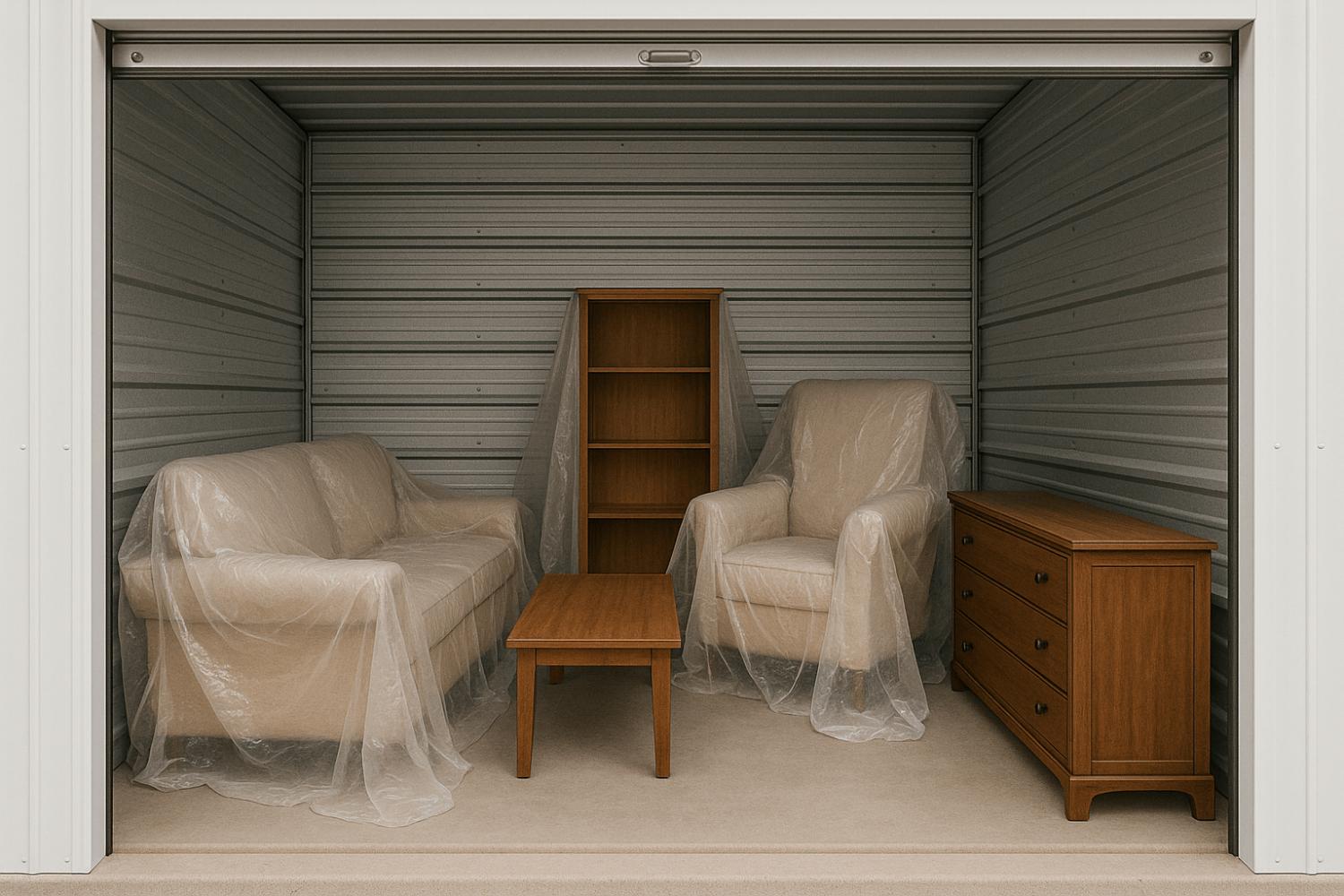
Cover upholstered pieces with clean furniture covers that allow some airflow.
-
Protect table corners, chair legs, and decorative details with suitable padding.
-
Disassemble removable components only when it is safe and practical to do so.
-
Place smaller hardware, screws, and fittings in labeled bags.
Avoid placing heavy objects on top of delicate antiques. Even well-packed items can develop scratches, cracks, or structural damage under excessive pressure.
Choosing appropriate furniture storage options also means considering how each item will be positioned and protected throughout its storage period.
3. Maintain Proper Temperature and Humidity Levels
Environmental conditions are among the biggest concerns when storing antique furniture and valuable household belongings. Wood naturally responds to changes in moisture and temperature. Excessive humidity can encourage mold, mildew, and wood deterioration, while very dry conditions may cause certain wooden components to shrink or crack.
Leather, fabric, paintings, musical instruments, and other delicate materials can also be affected by unsuitable environmental conditions.
This is where climate-controlled storage solutions can make a meaningful difference. These facilities are designed to maintain more consistent temperature and humidity conditions than ordinary storage environments, helping reduce exposure to extreme environmental fluctuations.
Before selecting a storage space, consider:
-
Whether temperature conditions remain relatively consistent throughout the year.
-
Whether humidity management is available.
-
Whether the facility has appropriate ventilation.
-
Whether the unit is protected against water intrusion.
-
Whether environmental conditions suit the materials you intend to store.
Climate control is particularly worth considering for valuable antiques, wooden furniture, leather items, artwork, and sensitive collectibles.
4. Organize Your Storage Unit to Prevent Accidental Damage
Even when furniture and valuables are properly cleaned and packed, poor storage organization can create problems. Crowded units make it difficult to access belongings and increase the risk of accidental scratches, tipping, and breakage.
Begin by creating a simple inventory of everything you plan to store. Group similar belongings together and identify items that require additional protection.
When arranging the unit, follow these guidelines:
-
Place heavier furniture and sturdy boxes toward the bottom and sides.
-
Keep fragile decorations and smaller valuables in clearly labeled protective containers.
-
Leave enough space between furniture pieces to prevent rubbing and pressure.
-
Avoid leaning heavy objects against antique cabinets or delicate furniture.
-
Keep frequently accessed belongings near the front.
-
Leave clear pathways for safe movement inside the unit.
Whenever possible, elevate furniture and boxes using appropriate shelving or pallets to reduce direct contact with the floor. This can provide an additional layer of protection against minor moisture exposure.
A well-organized storage space also makes it easier to inspect belongings and locate specific items without disturbing everything else.
5. Protect Valuables From Theft, Pests, and Moisture
Protecting valuable belongings involves more than preventing physical damage. Security, pest prevention, and moisture management are equally important considerations.
Start by selecting a storage facility with suitable security features. Look for controlled access, surveillance cameras, adequate lighting, and secure individual unit locks. Ask about the facility’s security procedures and how access is monitored.
Pest prevention is another important step. Insects and rodents can damage wooden furniture, upholstery, clothing, books, and other stored belongings. Never store food, plants, or items containing food residue alongside valuable possessions.
You should also:
-
Inspect furniture for signs of insects before storage.
-
Ensure all belongings are completely dry.
-
Avoid storing items directly against exterior walls.
-
Use appropriate moisture-absorbing products when suitable.
-
Check the unit periodically for signs of leaks, pests, or unusual odors.
For particularly valuable collections, review your homeowners or renters insurance policy to understand whether stored possessions are covered. Storage facility protection plans may have limitations, so check the terms before relying on them.
6. Inspect and Maintain Your Belongings During Storage
Storage should not mean forgetting about your valuable possessions. Periodic inspections help identify small problems before they become expensive repairs.
Create a schedule to visit your storage unit every few months, depending on the type of items and storage conditions. Check furniture covers, packaging, and the surrounding environment for signs of moisture, pests, or damage.
If you notice condensation, musty odors, or visible mold, investigate the source promptly. Avoid simply covering affected items again, as doing so may trap moisture and worsen the problem.
Keep your inventory updated whenever you add, remove, or rearrange belongings. Taking photographs before storage can also help document the original condition of valuable furniture and collectibles.
For extremely valuable antiques, professional conservation advice and appropriate insurance coverage can provide additional peace of mind.
Conclusion
Antique furniture and valuable household items deserve careful attention when placed in storage. From cleaning and protective packing to environmental control and security, every preparation step contributes to preserving their condition.
Choosing suitable secure household storage, exploring appropriate furniture storage options, and considering climate-controlled storage solutions can help reduce common storage risks. A clean, organized, and well-maintained storage environment makes it easier to protect belongings while keeping them accessible for future use.
Whether you are storing a treasured family heirloom, an antique dining table, or a collection of valuable decorative pieces, thoughtful preparation can make a lasting difference. With the right storage approach, you can preserve the beauty, condition, and sentimental value of your possessions for years to come.