




Building a cannabis brand takes more than having a good product. The way it looks, feels, and reaches customers also matters. Packaging is often one of the first things people notice, and a poor design can make even a quality product look forgettable. That’s why working with the right cannabis packaging supplier is an important decision for any cannabis business. The supplier you choose should understand your brand, know the industry’s packaging requirements, and be able to deliver products that work in the real world. There are plenty of options out there, but not every supplier will be a good fit. Taking some time to compare them can save money, avoid production headaches, and help your brand stand out for the right reasons.
Understand Your Brand’s Packaging Requirements
Before contacting suppliers, get clear about what your business actually needs. A dispensary selling flower products may have very different packaging requirements from a company offering edibles, concentrates, or pre-rolls. Each product comes with its own storage, protection, and presentation considerations.
Think about the packaging materials, sizes, finishes, and quantities you’ll require. Do you want simple packaging with a clean appearance, or something more customized that reflects a particular brand personality? These decisions will help narrow down potential suppliers.
It’s also worth considering future growth. A supplier that can handle small orders today but cannot support larger production runs later might become a problem. Look for a company that understands both your current requirements and where your brand is heading.
Check Industry Experience and Product Knowledge
Cannabis packaging isn’t exactly the same as packaging for ordinary retail products. There are specific requirements around product protection, labeling, child resistance, and other compliance considerations that vary by location and product category.
A supplier with relevant industry experience is more likely to understand these details. Ask about previous cannabis packaging projects and the types of businesses they have worked with. Their portfolio should give you an idea of their design capabilities, material choices, and experience with different product formats.
Don’t hesitate to ask questions. A reliable packaging partner should be able to explain available options without making everything sound unnecessarily complicated. If they cannot clearly discuss the basics of cannabis packaging, that’s a reason to look elsewhere.
Evaluate Packaging Quality and Material Options
Packaging needs to look good, sure. But appearance is only part of the job. It also has to protect the product during storage, handling, transportation, and everyday use.
Ask suppliers about the materials they offer, including glass, plastic, paperboard, metal, and flexible packaging. Each option has its own advantages. Glass can offer a premium appearance, while flexible pouches may be practical for certain product types. Paper-based materials can support a different visual direction, depending on the product and its protection requirements.
Request physical samples whenever possible. Pictures on a website don’t always tell the full story. Check how the packaging feels, whether closures work properly, and whether printed graphics look sharp. For products that require specific barriers against moisture, light, or oxygen, ask for relevant technical specifications and testing information.
Cheap packaging that fails after a few weeks isn’t really cheap. It can damage customer trust and create unnecessary replacement costs.
Look for Customization and Branding Capabilities
Your packaging should feel like it belongs to your brand. Using generic containers with a basic label might work for some businesses, but it doesn’t always create a memorable retail presence.
Look for a supplier offering custom printing, different finishes, label options, structural designs, and a range of sizes. The ability to customize colors, typography, graphics, and packaging shapes can help create a consistent identity across your product line.
Also, ask whether the supplier can work with your existing brand guidelines or help develop packaging concepts from the ground up. Some businesses already have a clear visual direction, while others need support turning an idea into a practical package.
The important thing is to avoid design for the sake of design. Packaging should look interesting, but it must remain functional, readable, and suitable for the product.
Understand Compliance and Labeling Requirements
This is one area where cutting corners can cause real trouble. Cannabis packaging regulations differ between states, provinces, and countries. Requirements may cover child-resistant features, warning statements, ingredient information, serving details, product identification, and restrictions on certain graphics or claims.
Your supplier should understand the packaging specifications relevant to the markets you serve. However, don’t assume that the supplier takes full responsibility for legal compliance. Cannabis brands should verify the current requirements with qualified regulatory or legal professionals before approving production.
Ask whether the supplier can accommodate mandatory labeling areas, barcode placement, and other required information. It’s much easier to address these details during the design stage than after thousands of packages have been printed.
Compare Pricing, Minimum Orders, and Production Timelines
Price matters, especially for startups and growing cannabis businesses. But comparing suppliers based only on the lowest quote is a mistake. Look at the complete cost, including design setup, printing plates, customization, shipping, storage, and any additional charges.
Minimum order quantities are another important detail. Some suppliers require large production runs, which may not suit a smaller brand testing a new product. Others offer more flexible quantities.
Ask for realistic production timelines too. Delayed packaging can hold up an entire product launch. A supplier should explain how long sampling, design approval, manufacturing, and shipping usually take. Get those expectations in writing where possible.
Consider Communication and Long-Term Support
A supplier relationship doesn’t end after the first order. Your packaging requirements may change as your product range grows, regulations are updated, or customer preferences shift.
Pay attention to how a potential partner communicates. Do they respond clearly? Are they willing to discuss changes? Can they explain production problems instead of simply giving vague answers?
This matters more than people think. A supplier who communicates well can make the entire process easier, particularly when you’re managing several product launches at once.
Think Beyond the Package Itself
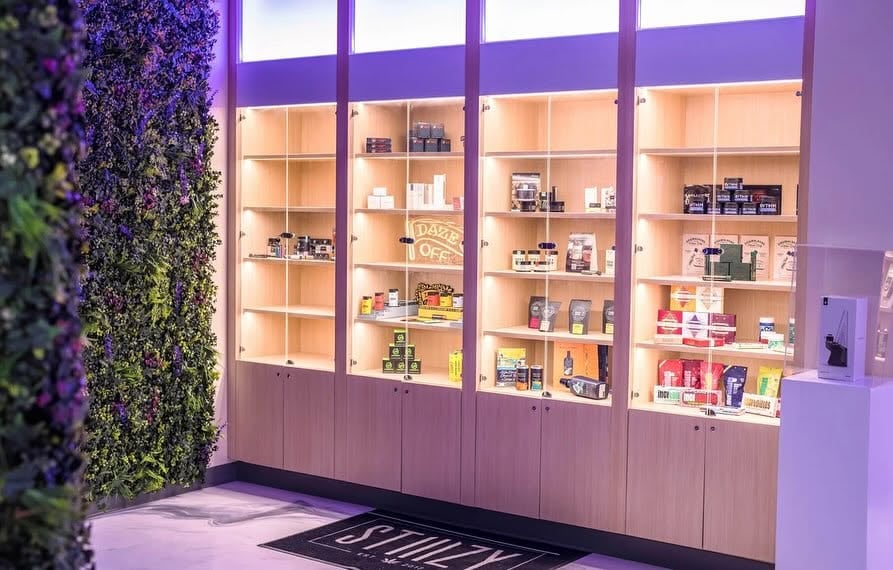
Packaging should also fit into the bigger retail picture. For cannabis brands selling through dispensaries, presentation plays a role in how products are noticed and compared. Good dispensary visual merchandising brings packaging, product displays, signage, and the overall store environment together. A supplier that understands retail presentation can help create packaging that looks consistent on shelves and supports a recognizable brand identity.
Consider how products will appear next to competing brands. Clear branding, readable information, and consistent design can make a difference without making the package overly complicated.
Conclusion
Selecting the right cannabis packaging supplier takes a bit of research, but it’s worth the effort. Look beyond pricing and pay attention to product quality, industry experience, customization options, compliance support, and communication. A good supplier should understand that packaging is not just a container. It’s part of how customers recognize and remember your brand. Take time to request samples, compare production capabilities, and discuss your long-term plans before making a decision. The right partnership can help your cannabis business maintain product quality, build a stronger identity, and create packaging that makes sense both on the shelf and in customers’ hands.