





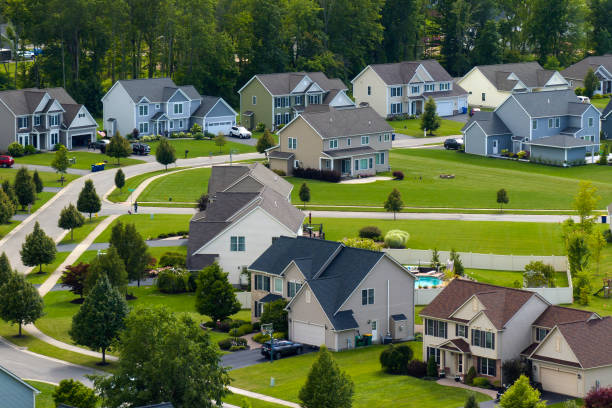
A construction project changes almost every week. One day there is an empty piece of land, and a few months later, there may be a complete structure taking shape. Keeping track of those changes is important, especially for contractors, property developers, and project owners who need a clear record of progress. This is where construction drone photography in Palm Coast becomes useful. Drone cameras capture the bigger picture, showing details that ground-level photographs often miss. You can see how the site is developing, where materials are being stored, and whether different sections are progressing as planned. But simply flying a drone over a construction site and taking random pictures isn’t enough. The right shots need to be captured at the right time. Otherwise, some important stages can be missed completely.
1. Capture the Entire Site Before Construction Begins
Before any machinery arrives, get aerial photographs of the existing property. This is one of those steps that can seem unnecessary at first, but it becomes valuable later. A wide overhead image can show the original land condition, boundaries, vegetation, nearby roads, access points, and surrounding properties. These photographs establish a baseline for the entire project. They also help developers explain the scope of work to investors, clients, or other people involved in the project. Try capturing the property from several heights and angles, not just one straight-down image. An angled aerial photograph can provide a better sense of the terrain and surrounding environment. It gives everyone a reference point when comparing the finished property with how the site looked before work started.
2. Document Land Clearing and Site Preparation
Once construction begins, land clearing is usually one of the first major changes worth documenting. Trees may be removed, uneven ground gets levelled, and workers start preparing the area for foundations. These activities can change the appearance of a property quite quickly. Aerial photographs taken during this stage show the amount of land cleared and how the site is being organized. They can also reveal temporary access roads, equipment placement, and material storage areas. This is useful for project managers who want to review site conditions without walking across the entire property. Take photographs from consistent viewpoints whenever possible. It makes comparisons easier later. A single image may show progress, but a series of photographs can tell a much clearer story.
3. Get Foundation and Excavation Shots
Foundation work deserves special attention because so much of it eventually disappears beneath the finished structure. Excavation photographs can show trench locations, foundation layouts, soil removal, and the preparation of building areas. These details are difficult to recreate once concrete has been poured and the structure starts rising. A straight-down drone image is particularly helpful here because it provides a clear view of the excavation pattern. Wider aerial shots can show how foundation work fits within the overall site layout. Timing matters. If photographs are taken too late, important details may already be covered. Contractors should plan drone visits around major foundation milestones rather than waiting for a general progress update. It is a simple way to build a useful visual record of work that won’t remain visible forever.
4. Photograph Structural Framing and Building Progress
When the foundation is complete, the project starts looking like an actual building. Walls, columns, beams, roof supports, and multiple floors begin to take shape. This is one of the more interesting stages to photograph because the change is visible even to someone who knows very little about construction. Capture wide aerial images that show the building footprint, along with closer angled shots that reveal the height and structural layout. For larger developments, it helps to photograph separate building sections as well. This makes it easier to follow progress when several structures are being built at the same time. Another useful approach is to capture images from the same direction every few weeks. The difference between two photographs can be quite striking, and it provides a realistic view of how quickly the project is moving.
5. Capture Roofing, Exterior Work, and Utility Installation
As the structure becomes enclosed, the focus shifts towards roofing, exterior finishes, windows, and other installation work. Drone photography is particularly helpful for roof inspections because it can show surfaces that are difficult or unsafe to photograph from the ground. Capture roof coverage, drainage features, flashing, and visible installation progress where conditions allow. Exterior photographs should also show completed walls, entrances, parking areas, and connections between different sections of the development. Utility installation is another stage worth documenting. Water lines, drainage systems, and electrical infrastructure may be visible before they are covered. These images can help maintain a visual record of the work. Of course, aerial photographs aren’t a replacement for technical inspections or approved construction records. They are an additional source of information, and a pretty useful one.
6. Use Repeat Aerial Angles to Compare Project Milestones
One of the biggest mistakes in construction photography is changing the shooting angle every time. Different perspectives look interesting, sure, but they make progress comparisons harder. A consistent aerial viewpoint gives project teams something reliable to work with. For example, a photograph taken before excavation can be compared with another captured during foundation installation, framing, and final construction. This creates a visual timeline rather than a collection of unrelated pictures. Contractors can use these images in progress reports, presentations, and client updates. It also helps property developers explain what has changed since the previous inspection. The trick is to plan the photography schedule early. Set a few repeatable viewpoints, capture images at important milestones, and maintain similar framing whenever possible. Small details become easier to spot that way.
7. Photograph the Finished Property From Multiple Perspectives
The final stage deserves more than one quick overhead photograph. Once construction is complete, capture the entire property from different heights and directions. Wide aerial shots can show the relationship between the building, parking areas, landscaping, roads, and surrounding properties. Lower angled photographs are useful for showing architectural details, rooflines, entrances, and the overall appearance of the development. These photographs can serve several purposes beyond project documentation. Property owners and developers may use them for marketing materials, online listings, presentations, and future investment discussions. This is also where professional Real Estate Photography in Palm Coast can add value by presenting the finished property in a more complete and appealing way. A good collection of aerial and ground-level images helps potential buyers or clients understand the property before they visit in person.
Conclusion: Build a Complete Visual Record From Start to Finish
Construction photography shouldn’t be treated as something to arrange only when the project is nearly finished. The early stages matter just as much as the final result. Land preparation, excavation, foundation work, structural framing, roofing, and exterior development all deserve proper visual documentation. With planned construction drone photography in Palm Coast, contractors and developers can create a detailed record of how a property changes over time. It makes progress easier to communicate, gives clients something concrete to review, and provides photographs that can be useful long after construction ends. The important thing is consistency. Choose the right moments, capture useful angles, and don’t leave major stages undocumented. Once a section of construction is covered or completed, that opportunity may be gone.