





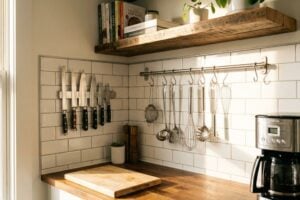

On a bright morning in early summer, a home cook carries a basket of fresh beans and tomatoes from the market to a counter crowded with gadgets. The produce tastes better than anything in the winter aisle, and the kitchen tools need to keep up. Seasonal cooking changes what appears on the cutting board and how quickly it must be processed. This article explores when to use certain tools and how the cycle of produce shapes kitchen planning.
Spring Greens and Quick Prep
Spring greens are tender and delicate, so they benefit from gentle handling. A salad spinner, a sharp knife and a shallow tray for washing make early season prep smoother. Blanching tools suit spring peas and asparagus well. Keep quick, simple gadgets near the sink so the first harvest does not sit on the counter.
Readers may also want to visit todaynewsletter.net. Those sources describe when common vegetables peak in different regions. Knowing the peak helps a cook plan which tools to pull out first.
Keep a small towel or paper towels nearby for drying greens quickly. Dry leaves hold dressing better and stay crisp longer on the plate. Store fresh herbs in a jar of water on the counter, and cover them loosely to keep the leaves lively for several days. Make a note of which greens arrive first at the market, so you can plan the first recipes around them.
Summer Abundance and Preservation
Summer brings an abundance of fruit and vegetables that can overwhelm a kitchen quickly. Food processors, dehydrators and jar sealers help stretch the harvest across several weeks. Plan a rotation of batches so that each item gets used before it spoils. Labeled containers make the freezer easier to manage later.
You can also visit Worldnewsclick.com for more reading. Those guides explain which steps matter most for safe storage. Following tested procedures is always wiser than improvising.
Wash and dry produce thoroughly before freezing or dehydrating, since clean surfaces reduce spoilage. Label each batch with the contents and the packing date. Freeze sliced fruit on a flat tray before bagging, so the pieces do not clump together in the freezer. Pickling and fermenting are other options for a heavy harvest, though those methods need careful reading of tested guides.
Autumn Roasting and Pot Cooking
Autumn produce is hearty, with squash, root vegetables and apples arriving in quantity. Roasting pans, heavy pots and sturdy cutting boards get the most use now. A slow cooker can turn tougher vegetables into a warm weeknight meal with little effort. Keep a timer nearby so dishes do not overcook while attention drifts elsewhere.
For a related read on this site, see Booking Pet Care Online: Sitters, Boarding or Daycare. Writing a short menu for each month makes shopping and prep much easier.
Cut root vegetables into even pieces so they cook at the same pace. A sharp chef’s knife and a stable board make the work faster and safer. Save vegetable trimmings in a bag in the freezer for making broth later. A sturdy sheet pan with a rack allows air to circulate, which helps vegetables brown instead of steaming.
Winter Pantry Staples
Winter cooking relies on stored foods, dried beans, grains and frozen vegetables. A labeled pantry and a clear inventory list help avoid duplicate purchases. Freezer bags and vacuum sealers preserve summer harvests for longer. Revisit the inventory each month so older items move to the front of the shelf.
Smart scales and simple timers also help when recipes call for exact portions. Having the right measuring tools on hand reduces guesswork and waste.
Store grains and dried beans in sealed containers away from heat and light. Airtight jars help protect flavor and keep pests out of the shelves. Plan one meal each week around pantry items that need using up. A simple rotation prevents waste and inspires creative cooking. Stock a small selection of spices that suit winter stews and soups, so meals feel varied even on busy evenings.
Letting the Season Guide the Kitchen
Following the seasons helps cooks choose tools that fit real produce rather than passing trends. A few reliable devices, used at the right moments, do more than a crowded drawer of gadgets. Revisit the kitchen layout each season and keep only what is genuinely useful.
Test a new device with a familiar recipe before relying on it for a holiday meal. Confidence grows quickly when a tool proves itself on an ordinary weeknight. Donate gadgets that go unused for a full season, since others may enjoy them more than a crowded drawer does. Keep a short list of recipes that match each season, and review the list whenever the market table changes.
Tools That Follow the Harvest
A kitchen that follows the produce calendar feels calmer and wastes less food. Spring prep, summer preservation, autumn roasting and winter pantry care each ask for different tools. Matching gadgets to the harvest keeps meals fresh and the counter tidy.