







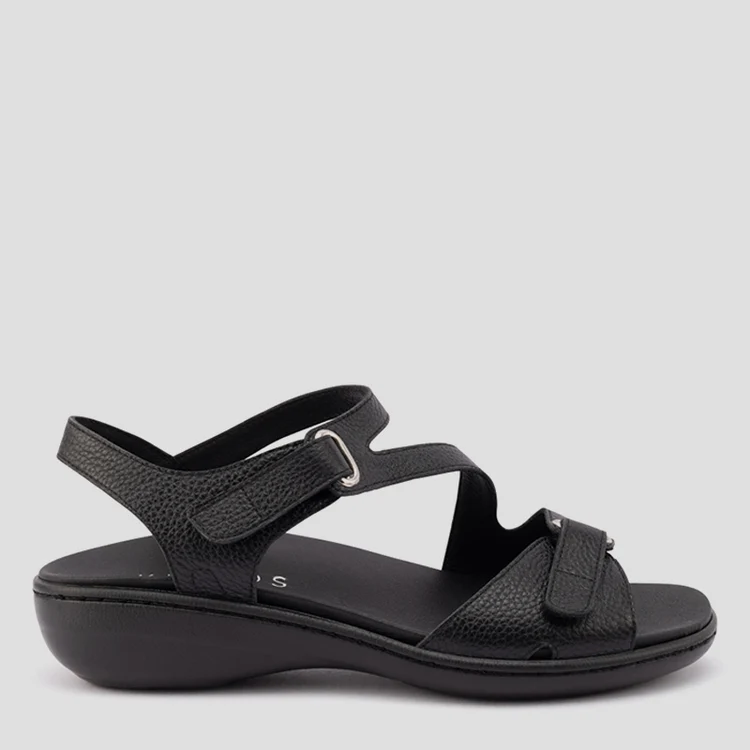
Finding comfortable shoes for women with wide feet involves more than choosing a larger size. Narrow footwear can create pressure around the toes and make walking uncomfortable. The right pair should offer enough width, secure heel support, and comfortable cushioning. Understanding these features can help you choose footwear that fits naturally while complementing your everyday style.
Why Does the Right Shoe Width Matter?
Shoes that match your foot width allow your toes and forefoot to sit comfortably without unnecessary pressure. A good fit can reduce rubbing, especially during long periods of walking or standing.
Foot shape also affects comfort. Some people have wider forefeet, while others need additional room around the middle of the foot. Considering these differences helps you select footwear that accommodates your natural foot shape.
Check the Width and Toe Box
A suitable shoe should accommodate the widest part of your foot while still fitting securely. When comparing different styles, consider these features:
- Toe Box: Choose a shape that allows your toes to spread naturally.
- Forefoot Width: Make sure the material doesn’t press tightly against your feet.
- Heel Fit: Check that your heel stays comfortably in place.
- Toe Clearance: Leave approximately a thumb’s width beyond your longest toe.
Checking these details while standing and walking helps determine whether the footwear provides sufficient room and stability.
Look for Cushioning and Support
Comfortable footwear needs suitable cushioning and support alongside adequate width. Different activities place varying demands on your feet, making these features worth considering.
When assessing footwear, focus on the following:
- Footbed: Choose a comfortable footbed that provides a stable surface.
- Cushioning: Look for padding that absorbs impact without reducing stability.
- Arch Support: Select support that suits your natural arch shape.
- Sole Stability: Check whether the sole provides suitable grip on everyday surfaces.
These features support comfortable movement. The ideal combination depends on your foot shape, walking habits, and personal preferences.
Consider Comfortable and Breathable Materials
Shoe materials influence how footwear feels around wider feet. Soft leather, mesh, and flexible textile uppers can accommodate different foot shapes, depending on how they’re constructed. Flexible materials can reduce forefoot pressure.
Breathability also matters during extended wear. Mesh panels and suitable linings can improve airflow, while smooth interior finishes may reduce friction. Leather may soften with use, but shoes should fit comfortably from the beginning rather than requiring considerable stretching.
Match Your Footwear to Your Daily Activities
Different activities require footwear with appropriate support, cushioning, and durability. Choosing shoes for your routine helps you identify the most useful features.
Consider these common situations when comparing options:
- Daily Walking: Prioritise comfortable cushioning, adequate toe space, and flexibility.
- Work: Choose supportive footwear suitable for prolonged standing or movement.
- Casual Outings: Look for comfortable designs that complement different outfits.
- Travel: Consider lightweight shoes with secure soles and sufficient room.
Matching footwear to its intended purpose improves practicality and helps you avoid choosing a style based solely on appearance.
Why Should You Avoid Choosing Shoes by Size Alone?
Shoe sizes can vary between manufacturers, even when the label number is the same. Width classifications, toe shapes, and internal dimensions also differ across styles. When selecting shoes for women with wide feet compare regular and wide-fitting options to find a comfortable fit.
Measure both feet while standing, preferably later in the day when feet may be slightly larger. Walk around before deciding whether the shoes fit properly. Your toes should move comfortably, your forefoot should not feel compressed, and your heels should remain reasonably secure.
What Should You Check Before Buying?
A few practical checks can help you compare footwear and identify a comfortable fit. Consider these questions before making your choice:
- Width: Does the shoe accommodate the widest part of your foot?
- Toe Room: Can your toes move without rubbing?
- Heel Security: Does your heel remain secure when walking?
- Support: Does the footbed feel comfortable beneath your arch?
- Flexibility: Does the shoe bend naturally during movement?
These checks help when comparing styles, including women white leather sneakers which may suit casual wear if available in an appropriate width.
Conclusion
Finding suitable footwear for wider feet requires attention to width, toe space, cushioning, materials, and support. A larger shoe size alone may create an unsuitable fit, particularly around the heel. Comparing width options and trying shoes while walking can help identify a comfortable pair. Choose footwear that accommodates your natural foot shape and suits your everyday activities. A secure heel, roomy forefoot, and comfortable footbed can make regular walking and standing more pleasant while maintaining your preferred style.