






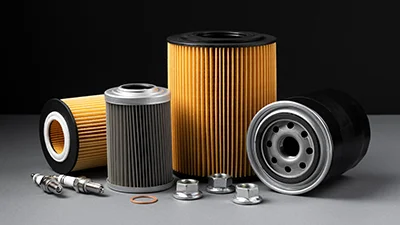
Automotive and industrial filtration systems play a vital role in maintaining equipment performance, protecting machinery, and improving operational efficiency. From vehicles and heavy-duty engines to manufacturing plants and industrial equipment, filtration solutions help remove dust, dirt, contaminants, and unwanted particles from air, oil, fuel, and other fluids. High-quality filtration is essential for businesses that want to reduce equipment wear, maintain consistent performance, and support long-term operational reliability.
Understanding Automotive and Industrial Filtration Solutions
Filtration systems are designed to separate harmful contaminants from air, liquids, and gases before they affect the performance of engines or industrial machinery. In the automotive sector, filters help protect critical engine components by preventing dust, debris, and other particles from entering sensitive systems. Air filters, oil filters, fuel filters, and cabin filters are commonly used to support vehicle performance and improve operating conditions.
Industrial filtration serves a similarly important purpose across manufacturing, construction, agriculture, power generation, and other sectors. Industrial machines often operate in challenging environments where airborne particles, oil contaminants, and other impurities can affect their efficiency. Suitable filtration systems help maintain cleaner operating conditions and protect valuable equipment from premature wear.
Why High-Quality Filtration Matters
High-quality filtration is important because contaminated air and fluids can negatively affect machinery performance. Dust and debris entering an engine may contribute to component wear, while contaminated lubricating oil can reduce the effectiveness of lubrication. In industrial environments, inadequate filtration may lead to equipment breakdowns, increased maintenance requirements, and unexpected production interruptions.
Reliable filtration solutions help control these risks by capturing contaminants according to the requirements of each application. The right filter can support smoother operation, protect essential components, and help businesses maintain their equipment in suitable working condition. However, filtration performance depends on selecting the correct product for the application and following the manufacturer’s recommended replacement schedule.
Benefits of Advanced Filtration Technology
Modern filtration technology focuses on improving contaminant removal, airflow, fluid cleanliness, and overall system performance. Depending on the application, filters may use specialized media, optimized designs, and durable construction to meet demanding operating conditions. These features can help support consistent filtration performance in vehicles, heavy machinery, and industrial equipment.
Another important benefit is improved maintenance planning. Filters that meet the required specifications can help businesses establish appropriate servicing intervals and reduce avoidable equipment problems. Although filter replacement remains necessary, using suitable products and maintaining them correctly can contribute to more predictable maintenance routines.
Advanced filtration solutions can also support cleaner working environments in applications where air quality and contamination control are important. Choosing filters based on operating conditions, environmental factors, and equipment specifications helps businesses achieve better results.
Applications Across Automotive and Industrial Sectors
Automotive filtration is widely used in passenger cars, commercial vehicles, trucks, buses, agricultural machinery, and construction equipment. Engine air filters help limit the entry of airborne contaminants, oil filters capture particles circulating through lubrication systems, and fuel filters help remove impurities from fuel. Cabin air filters can also help reduce dust and other airborne particles entering vehicle interiors.
Industrial filtration is essential in manufacturing facilities, warehouses, workshops, power plants, and heavy industrial operations. Hydraulic systems, compressors, generators, production machinery, and specialized equipment may require different types of filtration to maintain reliable operation. Selecting filters that match the system’s design and working conditions is important for achieving effective results.
Choosing the Right Filtration Solutions Manufacturer
Selecting a dependable Automotive and Industrial Filtration Solutions Manufacturer is an important consideration for businesses that require consistent product quality and reliable supply. Buyers should evaluate the manufacturer’s product range, technical specifications, quality control procedures, manufacturing capabilities, and experience with relevant applications.
It is also important to confirm that the filtration products are compatible with the intended equipment. Factors such as filter dimensions, filtration efficiency, operating pressure, temperature limits, airflow requirements, and fluid compatibility should be reviewed before making a purchasing decision. These considerations help businesses select products that meet their operational needs without compromising equipment performance.
A manufacturer that provides clear product documentation and responsive technical support can make the selection process easier. Businesses with specialized machinery may also benefit from discussing application requirements with the supplier before finalizing an order.
Maintenance Practices for Better Filtration Performance
Even high-quality filtration products require proper maintenance to perform effectively. Businesses should inspect filters according to equipment guidelines and replace them at the recommended intervals or when operating conditions indicate that replacement is necessary. Filters used in dusty, demanding, or high-contamination environments may require more frequent attention.
Using the correct replacement filter is equally important. An unsuitable product may restrict airflow, fail to provide the required level of filtration, or create compatibility issues. Maintenance teams should follow manufacturer instructions and avoid cleaning or reusing filters unless the product is specifically designed for that purpose.
Keeping maintenance records can also help businesses monitor replacement schedules, identify recurring contamination issues, and improve equipment management.
Conclusion
High-quality automotive and industrial filtration solutions are essential for protecting machinery, supporting operational efficiency, and maintaining dependable equipment performance. From vehicle engines to complex industrial systems, suitable filtration helps control contamination and reduce the risk of unnecessary wear.
By selecting the right products, following recommended maintenance practices, and working with a reliable Automotive and Industrial Filtration Solutions Manufacturer, businesses can support equipment longevity and improve maintenance planning. Investing in appropriate filtration is a practical step toward maintaining consistent performance across automotive and industrial applications.