







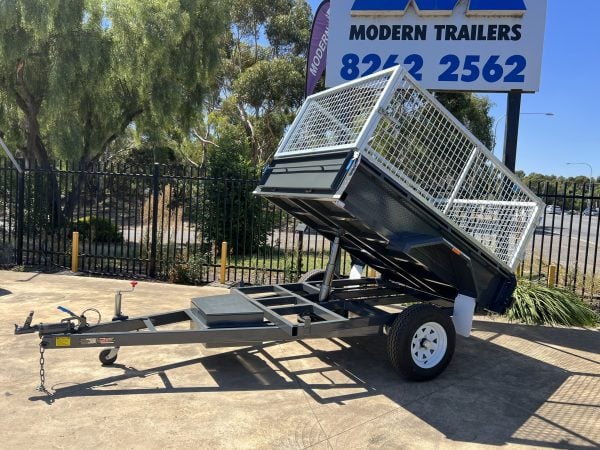
Moving soil, gravel, green waste, and building materials can be demanding on busy sites. A Hydraulic tipper trailer can make unloading faster and reduce manual effort. The right trailer should match your materials, workload, towing vehicle, and work conditions. This can help you handle regular jobs more easily.
What to consider before choosing a tipper trailer
Your regular work should guide your trailer choice. Different jobs can require different capacities, sizes, and tipping systems. Consider the materials you carry, their weight, volume, and how often you unload them. Your towing vehicle also matters. Check its rated towing capacity, and make sure the loaded trailer stays within permitted limits.
Match the trailer to your materials
The materials you carry should guide your trailer choice. Soil, mulch, gravel, green waste, sand, and rubble can have different handling needs. Loose materials are easier to unload when the trailer bed can tip. Heavier materials require careful attention to capacity and weight distribution.
| Work type | Common materials | Main consideration |
| Landscaping | Soil, mulch, gravel, green waste | Easy unloading |
| Construction | Rubble, sand, gravel, soil | Load capacity |
| Site maintenance | Waste and debris | Practical size |
| Property work | Soil, stones, equipment | Access and towing |
A larger trailer is not always better. Consider your usual load and the access available at your work sites.
The best trailer for landscaping jobs
Landscaping work can involve soil, mulch, gravel, green waste, and other loose materials. Easy unloading saves time on repeated jobs. A suitable trailer should work well around gardens, driveways, and restricted spaces. Check its overall dimensions before making a decision. Cleaning is also useful to consider. Soil and green waste can leave debris inside the trailer after unloading.
The right trailer for construction sites
Construction sites may involve heavier materials, including rubble, sand, gravel, soil, and site waste. These loads can place greater demands on the trailer. Check the rated capacity before carrying heavy materials. The trailer should also suit your towing vehicle and work conditions.Construction work can involve frequent movement between locations. Consider the braking system, lighting, tyres, and other safety features.
Hydraulic or manual tipping: Which suits your work?
Your unloading routine should guide the tipping system you choose. Hydraulic systems use powered lifting to raise the trailer bed. A Hydraulic tipper trailer can reduce physical effort when you unload loose materials often. A manual system can suit lighter workloads and occasional jobs.
Hydraulic systems have additional components that need regular inspection. Manual setups can have fewer components and simpler upkeep.
| Consideration | Hydraulic tipping | Manual tipping |
| Unloading effort | Lower | Higher |
| Regular use | Well suited | More physical effort |
| Components | More | Fewer |
| Maintenance | Hydraulic care required | Generally simpler |
Compare both options based on your daily workload and unloading needs.
Features to check before buying
Look beyond the tipping system when comparing trailers. Check the load capacity, dimensions, braking system, lighting, and towing requirements. You should also consider:
- Trailer construction
- Storage features
- Toolboxes or racks
- Maintenance requirements
- Available storage space
These factors can help you choose a trailer that suits your regular work.
Choosing the right trailer manufacturer
When comparing trailer manufacturers, look at how each option matches your work requirements. Ask about load ratings, dimensions, construction, and available tipping systems. Compare available features and maintenance requirements. Avoid choosing based only on appearance or the lowest purchase price. The trailer should provide the capacity and features you need for regular work.
Planning for future trailer needs
Your trailer should meet your current needs without limiting future work. Consider whether your loads may become heavier or more frequent. You may also take on different types of jobs over time. A trailer with suitable capacity and useful features can provide greater flexibility.
When comparing trailer manufacturers consider whether their options can support your changing requirements. This can help you avoid replacing the trailer too soon. Review your towing vehicle before planning for larger loads. Your vehicle and trailer must work within their rated limits.
Conclusion
The right tipper trailer depends on your materials, workload, towing vehicle, and work conditions. Landscaping jobs may need easy unloading and access. Construction work may require greater capacity and stronger features. Compare these factors before buying. A suitable trailer can make daily material handling easier and support safer work.