






Tires play a vital role in vehicle safety, handling, braking, and overall driving comfort. Even a small puncture or gradual loss of air pressure can affect how a vehicle performs. Knowing when to seek professional tire repair and understanding the warning signs of tire damage can help drivers avoid unnecessary risks and prevent minor problems from becoming more serious.
Whether a tire has picked up a nail, developed a slow leak, or suffered damage after hitting a pothole, timely attention can make a significant difference. Understanding the basics of tire repair Midland services helps drivers make informed decisions about repairing, replacing, and maintaining their tires.
Common Tire Problems Drivers Should Recognize
Tire damage can occur unexpectedly, even when a vehicle receives regular maintenance. Recognizing the symptoms early helps drivers determine when professional inspection is necessary.
Punctures and Slow Air Leaks
Nails, screws, and other road debris can penetrate a tire and cause air to escape. Some punctures lead to rapid deflation, while others create slow leaks that may go unnoticed for several days.
Drivers might notice that one tire requires frequent inflation or that the tire pressure warning light appears repeatedly. These signs should not be ignored. A professional inspection can establish whether the puncture is repairable or whether replacement is the safer option.
Sidewall Damage and Bulges
The tire sidewall supports the vehicle’s weight and flexes as the wheel rotates. Cuts, cracks, and bulges in this area can indicate structural damage.
Unlike certain tread punctures, sidewall damage generally cannot be repaired safely. A visible bulge may signal weakened internal construction, increasing the risk of tire failure. Drivers should have the tire assessed promptly rather than continuing to drive on it.
Uneven Tread Wear
Uneven wear may result from incorrect inflation, misaligned wheels, worn suspension components, or inadequate tire rotation. Although tire repair may address some problems, uneven wear often requires identifying the underlying cause.
Checking tread condition regularly can help drivers recognize developing issues before they compromise traction or handling.
When Can a Tire Be Repaired Instead of Replaced?
Not every damaged tire needs to be replaced. The appropriate solution depends on the location, size, and severity of the damage, as well as the tire’s overall condition.
A small puncture in the main tread area may be repairable if the tire meets established safety guidelines. However, punctures near the shoulder or sidewall, extensive damage, and evidence of driving while severely underinflated can make a tire unsuitable for repair.
A qualified technician typically removes the tire from the wheel to inspect the interior and exterior. This examination helps reveal damage that might not be visible from the outside.
When appropriate, a professional repair generally uses a combination patch-and-plug method designed to seal the puncture channel and the inner liner. Simply inserting an external plug without the required internal inspection may not provide an adequate repair.
For anyone seeking tire repair Midland assistance, the key consideration should be the condition of the tire rather than the cost of repair alone. Replacing a tire is sometimes the only responsible option when its structural integrity has been compromised.
What to Do When You Notice a Flat Tire
A flat tire can happen during a commute, a long journey, or while a vehicle is parked. Taking the right steps can reduce the risk of additional damage and help keep everyone safe.
-
Find a safe place to stop: If you notice unusual vibration, steering difficulty, or a sudden loss of pressure, slow down gradually and pull over somewhere safe.
-
Avoid driving on a flat tire: Continuing to drive can damage the sidewall and wheel, potentially turning a repairable puncture into a replacement job.
-
Check the visible condition: Look for obvious punctures, cuts, or objects lodged in the tread, but do not remove embedded objects yourself.
-
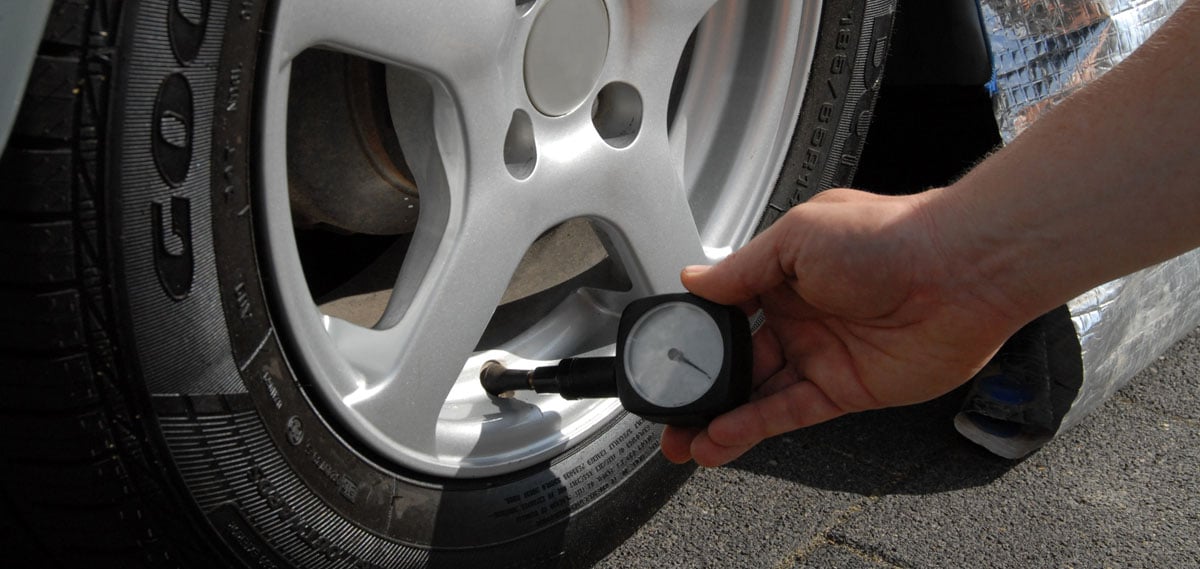
Review tire pressure: Use a reliable gauge when it is safe to do so, and compare the reading with the vehicle manufacturer’s recommended pressure.
-
Arrange a professional inspection: If the tire is losing air, visibly damaged, or unsafe to drive on, consider roadside assistance or a suitable recovery service.
These precautions can help prevent further damage while ensuring that the problem receives the right attention.
Why Regular Tire Maintenance Matters

Preventive maintenance is one of the most effective ways to identify tire problems before they become urgent. It also helps drivers get better value from their tires.
Check Tire Pressure Consistently
Incorrect tire pressure can affect handling, braking, fuel efficiency, and tread wear. Underinflated tires may generate excessive heat, while overinflated tires can reduce the contact area between the tire and road.
Check tire pressure when the tires are cold and follow the recommended figures listed on the vehicle’s tire information placard or in its owner’s manual. The pressure printed on the tire sidewall is generally a maximum rating, not the recommended operating pressure.
Monitor Tread Depth
Tread provides the grip needed to maintain control, particularly on wet or slippery surfaces. As tread wears down, a tire becomes less effective at moving water away from its contact area.
Inspect tires for shallow tread, cracks, embedded debris, and irregular wear. Replace tires when they reach the applicable legal or safety limits, or sooner if their condition warrants it.
Keep Up With Tire Rotation and Alignment
Rotating tires according to the manufacturer’s recommended schedule can promote more even wear. Wheel alignment checks are also useful when a vehicle pulls to one side or tires show unusual wear patterns.
These maintenance steps cannot prevent every puncture, but they can help identify developing problems and support safer vehicle performance.
Choosing Reliable Tire Repair and Tire Change Services
Drivers need to know whether a damaged tire can be repaired, requires replacement, or needs further investigation. A dependable service provider should explain the available options clearly and prioritize safety over a quick fix.
When comparing Tire Change Services in Canada, consider factors such as technician experience, inspection procedures, appropriate equipment, and transparent pricing. It is also worth asking whether the service includes tire balancing when necessary and whether the replacement tire matches the vehicle’s specifications.
Seasonal tire changes require additional attention. Winter and summer tires have different performance characteristics, and choosing the right set can improve traction under changing road conditions. Proper installation, inflation, and wheel fastening are essential whenever tires are changed.
Drivers researching maintenance options can review the tire and automotive services offered by Victory Lube to learn more about available service information and determine which options may suit their vehicle’s needs.
Conclusion
Tire problems should never be ignored, even when the damage appears minor. Early inspection, correct tire pressure, regular tread checks, and timely maintenance can help drivers avoid preventable complications.
Professional tire repair Midland services can determine whether a damaged tire is safe to repair or needs replacement. By understanding common tire problems and choosing appropriate repair or tire change services, drivers can protect their vehicles, improve road safety, and make more informed maintenance decisions.