






Healthy feet and ankles are essential for maintaining balance, supporting body weight, and enjoying everyday activities. Whether walking to work, exercising, or standing for extended periods, these structures handle considerable physical stress. However, repetitive pressure, injuries, age-related changes, and underlying structural conditions can contribute to problems that interfere with comfortable movement. Bone spurs and ankle pain are two concerns that can affect mobility and make ordinary activities increasingly difficult. Individuals experiencing persistent heel discomfort or unusual ankle symptoms may benefit from exploring Bone Spur Bronx NY treatment options. Understanding the causes and available approaches to care can help people recognize symptoms early and make informed decisions about their foot health.
What Are Bone Spurs and How Do They Develop?
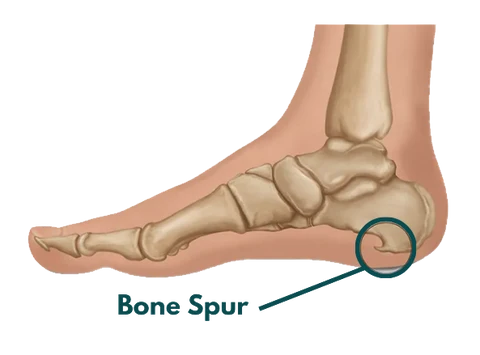
A bone spur, medically known as an osteophyte, is a bony projection that develops along the edges of bones. These growths commonly occur around joints and may develop in different areas of the body, including the feet and heels.
In the foot, heel spurs are particularly common. They may form on the underside or back of the heel bone, often in association with long-term stress or tension involving surrounding tissues.
Bone spurs do not always cause pain. Some people have them without experiencing noticeable symptoms, while others develop discomfort when surrounding tissues become irritated or inflamed.
Several factors can contribute to bone spur development:
- Repeated pressure on the heel during walking or running.
- Long periods of standing on hard surfaces.
- Poorly fitting shoes with insufficient support.
- Changes in foot structure or walking mechanics.
- Age-related joint changes and wear.
- Conditions that place additional stress on the foot.
Understanding these contributing factors can help individuals recognize why heel discomfort develops and when professional evaluation may be necessary.
Common Symptoms Associated With Heel Spurs
The symptoms of a heel spur depend on its location and whether surrounding tissues are affected. Some individuals notice no symptoms, while others experience localized discomfort that becomes more noticeable during movement.
Common symptoms may include:
Heel Pain: Discomfort beneath or behind the heel, particularly when walking or standing.
Morning Stiffness: Pain or tightness during the first few steps after getting out of bed.
Tenderness: Sensitivity when pressure is applied to the affected area.
Walking Discomfort: Difficulty participating in activities that involve prolonged standing, running, or walking.
Inflammation: Irritation in nearby soft tissues may contribute to swelling and tenderness.
It is important to understand that heel pain does not automatically indicate a bone spur. Plantar fasciitis, Achilles tendon problems, stress injuries, and other conditions can produce similar symptoms. A podiatrist can evaluate the underlying cause rather than relying on symptoms alone.
Treatment Options for Bone Spurs
Treatment for bone spurs depends on their location, associated symptoms, and the patient’s overall foot health. The primary objective is to reduce discomfort, improve function, and address contributing factors.
A podiatrist may begin with a physical examination and diagnostic imaging to evaluate the affected area. X-rays can help identify bony growths and provide information about foot structure.
Depending on the diagnosis, treatment options may include:
- Custom orthotics to improve foot support and pressure distribution.
- Supportive footwear with adequate cushioning.
- Activity modifications to reduce repetitive stress.
- Stretching exercises targeting tight muscles and tendons.
- Physical therapy to support flexibility and movement.
- Medication when appropriate to manage pain and inflammation.
- Surgical intervention in selected cases when conservative treatments are unsuccessful.
Not every bone spur requires surgical removal. Many patients can manage symptoms through non-surgical approaches that reduce pressure and address associated soft tissue problems.
Understanding the Causes of Ankle Pain
The ankle is a complex joint that connects the lower leg to the foot. It contains bones, ligaments, tendons, and cartilage that work together to provide stability and allow movement.
Because the ankle supports body weight and helps control balance, it is vulnerable to injuries and repetitive strain.
Ankle pain can develop suddenly following an injury or gradually due to ongoing stress. Identifying the underlying cause is important because different conditions require different treatment approaches.
Common causes include:
Ankle Sprains: These injuries occur when ligaments stretch or tear, often after twisting or rolling the ankle.
Tendon Injuries: Inflammation or damage involving tendons can cause pain, stiffness, and difficulty moving the foot.
Arthritis: Joint inflammation and cartilage deterioration may contribute to persistent ankle discomfort and reduced mobility.
Stress Fractures: Repeated impact or excessive physical activity can create small cracks in the bones.
Foot Structure Problems: Flat feet and other biomechanical abnormalities may affect ankle alignment and pressure distribution.
Overuse Injuries: Repetitive movements during sports, exercise, or physically demanding work can place excessive stress on the ankle.
Recognizing these potential causes helps patients understand why an accurate evaluation is necessary before beginning treatment.
When Should You Seek Professional Care for Ankle Pain?
Occasional ankle soreness after physical activity may improve with appropriate rest. However, persistent or recurring symptoms should not be ignored.
Individuals should consider professional evaluation when they experience ongoing pain, repeated swelling, stiffness, difficulty bearing weight, or reduced ankle movement.
Ankle injuries accompanied by severe pain, significant swelling, visible deformity, or an inability to walk require prompt medical assessment.
People with diabetes, circulation problems, or reduced sensation should also seek guidance when they notice unexplained ankle discomfort or changes in the surrounding skin and tissues.
A podiatric examination may involve reviewing medical history, assessing joint movement, checking stability, and evaluating walking mechanics. Diagnostic X-rays or additional imaging may be recommended when a fracture, structural abnormality, or other underlying condition is suspected.
How Podiatrists Evaluate and Treat Ankle Conditions
Effective ankle treatment begins with identifying the source of discomfort. A podiatrist considers the patient’s symptoms, activity level, medical background, and any previous injuries before recommending a treatment plan.
Individuals researching Ankle Pain Bronx NY care can benefit from understanding the importance of a comprehensive assessment, particularly when symptoms persist or previous treatment has not provided the expected improvement.
Depending on the diagnosis, treatment may include supportive footwear, custom orthotics, activity modifications, rehabilitation exercises, medication, or surgical procedures when medically appropriate.
A second opinion may also be helpful when patients have questions about a diagnosis, recommended surgery, or alternative treatment options. Another professional assessment can provide additional information and help patients make confident decisions about their care.
Practical Ways to Prevent Bone Spurs and Ankle Problems
Although not every foot or ankle condition can be prevented, healthy habits can reduce unnecessary stress and support better mobility.
Wear Supportive Footwear: Choose shoes that provide proper cushioning, stability, and enough room for natural foot movement.
Maintain a Healthy Activity Routine: Increase exercise intensity gradually instead of suddenly placing excessive demands on your feet and ankles.
Stretch Before Physical Activity: Gentle stretching can help prepare muscles and tendons for movement.
Avoid Prolonged Pressure: Take regular breaks when standing or walking for extended periods, especially on hard surfaces.
Pay Attention to Foot Pain: Do not continue activities that consistently worsen discomfort. Seek professional guidance when symptoms persist.
Consider Proper Foot Support: Custom orthotics may be useful for individuals with specific structural or pressure-related concerns.
These habits can contribute to improved comfort while helping individuals remain active.
Choosing the Right Podiatry Practice for Foot and Ankle Care
Selecting an experienced podiatry practice is an important step toward addressing persistent foot and ankle concerns. Patients should look for a provider who offers comprehensive evaluations, explains treatment recommendations clearly, and considers both conservative and surgical options.
Best Foot Doctor NY, led by Dr. Emmanuel Fuzaylov, DPM, provides comprehensive podiatric services throughout New York City. The practice treats a variety of conditions, including heel spurs, ankle problems, bunions, hammertoes, ingrown toenails, toenail fungus, flat feet, tendon injuries, and sports-related foot conditions.
Its services include diagnostic X-rays, custom orthotics, minimally invasive procedures, reconstructive foot surgery, and personalized non-surgical treatment approaches. With multiple convenient locations across Queens, Brooklyn, and Manhattan, the practice focuses on delivering patient-centered care supported by modern diagnostic technology and experienced medical professionals.
Patients can benefit from an individualized approach that considers their symptoms, mobility goals, and overall foot health.
Conclusion
Bone spurs and ankle pain can interfere with everyday movement, limit physical activities, and affect overall comfort. While these conditions may develop for different reasons, early evaluation and appropriate treatment can help individuals manage symptoms and protect their mobility. Understanding the warning signs, maintaining supportive footwear habits, and seeking professional guidance when discomfort persists are important steps toward better foot health. Whether someone is experiencing recurring heel pain or dealing with an ankle injury, a qualified podiatrist can help identify suitable treatment options. For comprehensive foot and ankle care, visit Best Foot Doctor NY to learn more about available services and personalized treatment approaches.
Frequently Asked Questions
1. What causes bone spurs in the heel?
Heel spurs can develop due to repeated stress, pressure, and tension involving the heel bone and surrounding tissues. Foot mechanics, footwear, and certain age-related changes may also contribute.
2. Are heel spurs always painful?
No. Many people have heel spurs without experiencing discomfort. Pain may occur when surrounding soft tissues become irritated or when another associated condition is present.
3. Can bone spurs be treated without surgery?
Yes. Many symptomatic cases can be managed with supportive footwear, custom orthotics, activity modifications, stretching, and other conservative treatments. Surgery is considered only in selected situations.
4. What is the most common cause of ankle pain?
Ankle sprains are a common cause of ankle pain. However, tendon injuries, arthritis, stress fractures, and structural foot problems can also contribute to discomfort.
5. When should I see a podiatrist for ankle pain?
Consider seeing a podiatrist when pain persists, swelling returns, ankle movement becomes restricted, or discomfort interferes with walking and daily activities.
6. Can custom orthotics help with ankle discomfort?
Custom orthotics may help certain patients by improving foot support and pressure distribution. Their suitability depends on the underlying condition and individual foot structure.
7. Why might someone need a second opinion for a foot or ankle condition?
A second opinion can provide additional insight into a diagnosis, clarify recommended treatments, and help patients understand alternative options, particularly when surgery is being considered.