




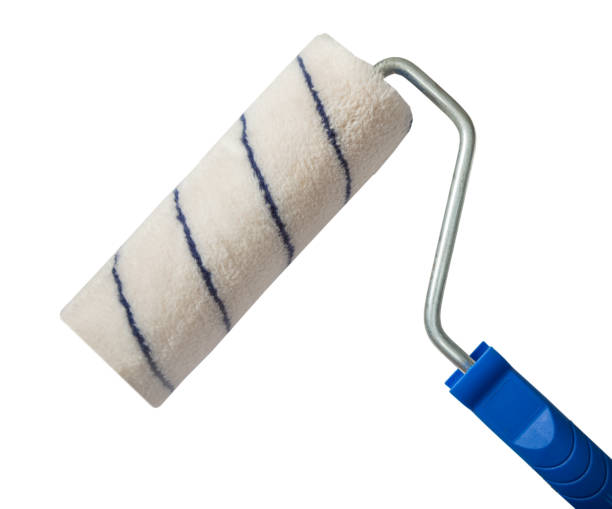
You don’t need an entire roller to get your painting job done. While you might be tempted to use a big roller for just about everything, you probably don’t need it in every situation. Tight corners, skinny sections, cabinet panels, and even tricky edges will make you wish you had more control. If you want a tool that’s smaller than your typical roller but won’t require a paintbrush, a 4 inch roller cover is a good compromise. It will let you go into tight corners and edges with much less frustration than a big roller can provide, and you will still get the coverage you need without a lot of extra work.
Superior Handling in Confined Areas
The biggest benefit to a mini roller cover is having control. Working with a traditional roller can be difficult when working around narrow walls, door frames, and door jambs, and even using a smaller roller can be tricky around tight corners or near a finished area. You are likely to hit other surfaces with a traditional sized roller, or to put too much paint into one spot with a larger roller. A mini roller is much easier to maneuver when working around obstacles or near other finished surfaces, and you will be able to make smaller adjustments and strokes to your roller. It helps when you are painting a room with existing furniture and flooring, not to mention the reduced amount of clean-up required afterwards!
Great for Cabinets, Doors and Furniture
For more specific painting projects, you may be dealing with relatively small surfaces that don’t require large rollers to get the job done. Cabinet doors, drawer faces, furniture, doors are good candidates for a mini roller. While a brush might show visible brush marks on the surface if the roller doesn’t spread the paint evenly, a big 9-inch roller might not be easy to maneuver across a small, flat surface without giving you a gut-clenching scare. In this case, mini rollers strike a happy medium: you can cover a flat spot pretty quickly, then switch over to comfortably getting your brushstroke around edges or around decorative molding detail.
Navigate Tight Spaces Without Much Struggling
There are certainly places a basic roller is just too big. Narrow wall section behind pipes, tight areas between cabinets, corners and edges from built-ins, all of these are places a mini roller can get to with a lot less weirdness. This shorter roller also allows a painter to have more access in odd angles. There is no need to keep switching tools every few inches, which is very important if you are doing a renovation where there could be several different sized surfaces in each room. You won’t get rid of a brush around sharp angles and detailed edges, but a mini roller can cover a good deal of actual surface area more than most anticipate.
Achieve More Consistent Paint Coverage
Be careful how you roll. A brush over a large flat area can leave visible strokes and show application marks if you’re using paints that will show texture or application marks. A mini roller allows you to apply paint more evenly to flat smooth surfaces and makes it easier to keep a uniform pressure on the roller. While some flat surfaces have a specific roller nap and fabric, smooth cabinets and finished doors will need a different roller texture than rough plaster or masonry. Remember to load the roller adequately; otherwise, runny paint will create drips and heavy edges and insufficient paint will show up as thin patches. Apply paint with good controlled strokes and avoid rolling a section before the paint begins to set.
Reduce Brushwork and Save Time
Sure, the relatively easy job of painting can easily turn into a much longer one. A painter may find themselves fiddling around small areas and corners with a brush rather than completing a much larger wall. But a mini roller gets rid of some of that excessive brushing. Instead of sticking to a brush for a long run down a narrow panel or surface, you can roll on the paint and just take care with what requires a brush. This can make a huge difference when you are painting a bunch of cabinets, shelves or door panels, and will help you be consistent at those repeated applications.
Select the Appropriate Cover for the Surface
Choose a roller cover well: not every mini roller cover is compatible with every application. If you want a smooth finish, there’s a roller for that. Foam covers are often compatible with certain types of paint and smooth surfaces, while microfiber and woven covers might be better with other kinds of coating. Check the manufacturer’s suggestions for compatibility. When it comes to surfaces, a flat cabinet door doesn’t need quite the texture of a rough plaster wall. If you’re using a roller, don’t forget to get a decent one: cheap mini roller covers can shed paint and leave tiny specks on a fresh coat of paint that will be obvious on gloss paints.
When Larger Rollers Still Make More Sense
Mini rollers are handy, but they’re not the solution to every problem. Wide open walls and high, wide ceilings are best approached with a wider roller as well. For example, a 18 inch paint roller takes fewer passes to cover open walls making it a better choice for larger commercial areas or just broad interior walls. Trying to get the entire room done with your mini roller would be an exercise in tedium, so, really, you’re better off with a variety of different-sized rollers. Use the larger sizes for the broad open areas, smaller size for the narrow places, and a paintbrush for the trim edges.
Conclusion
Mini roller covers are worth considering because they address a paint problem that’s fairly common. They provide the painter with greater control in tight or confined areas; they can be used to apply to paint to small flat surfaces in an even coat; and they can reduce the amount of brush work needed on detail work. They’re perfect for painting doors and cabinets, furniture, and the trouble spots on walls. When painting a surface with a roller, the only thing you need to keep in mind is which size is best suited for the surface you’ll be painting – and there’s no rule that says you have to stick with one or the other.