

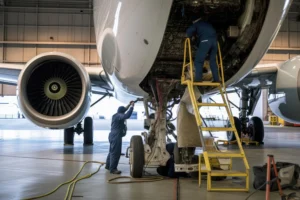


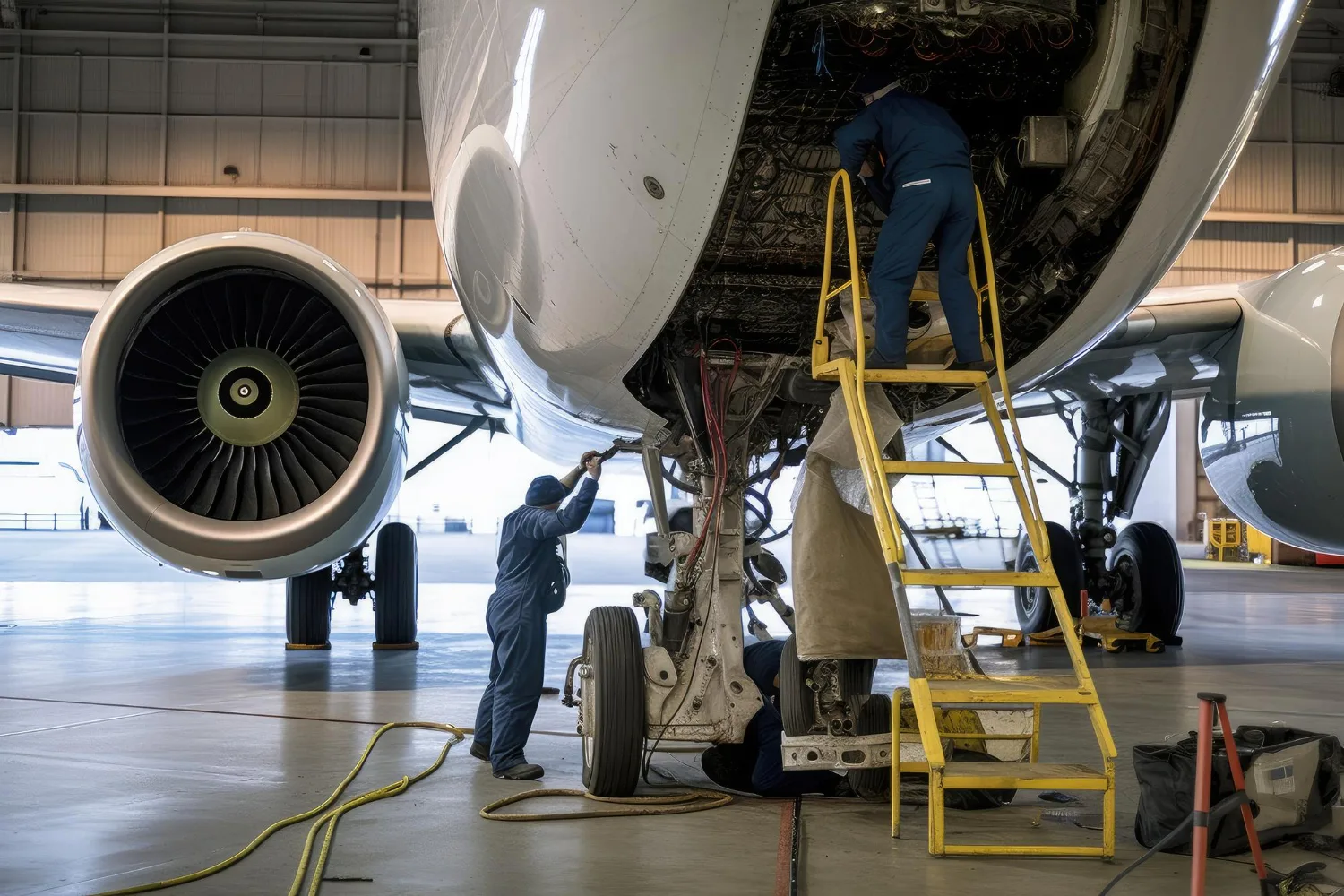
Aircraft maintenance leaves very little room for guesswork. Every component has a job to do, and even a small part failure can create bigger problems if it goes unnoticed or isn’t handled properly. Maintenance teams depend on reliable parts, accurate documentation, and suppliers who understand aviation requirements. This is where choosing the right Eaton aerospace distributor becomes important. Eaton manufactures aerospace components and systems used across different aircraft applications, so getting the correct parts through a dependable supply channel matters. It’s not simply about placing an order and waiting for delivery. The right distributor can help maintenance professionals source suitable components, reduce unnecessary delays, and keep aircraft maintenance work moving without cutting corners.
Why the Right Aerospace Distributor Makes a Difference
Aircraft maintenance schedules are usually planned around operational requirements, inspections, and component replacement intervals. When a required part isn’t available, the entire process can slow down. Sometimes an aircraft may remain grounded longer than expected because a replacement component is delayed.
A reliable aerospace distributor helps reduce these supply-related problems. They understand the importance of accurate product identification and can assist maintenance teams in locating the components required for specific applications.
Experience also matters. Aerospace products aren’t ordinary industrial supplies. Different aircraft systems require specific components that meet defined technical and regulatory requirements. A supplier familiar with Eaton aerospace products is better positioned to help customers navigate product options and sourcing requirements.
Of course, distributors don’t control every maintenance issue. But having a dependable supply partner makes planning easier, and that’s a real advantage.
Access to Genuine Eaton Aerospace Components
One of the biggest concerns in aircraft maintenance is component authenticity. Using an incorrect, unapproved, or poorly documented replacement part can create serious safety and compliance concerns.
Aircraft operators and maintenance organisations should source components through authorised or otherwise appropriately qualified supply channels. A trustworthy distributor should be able to provide relevant product identification, traceability records, and supporting documentation where applicable.
Eaton supplies a wide range of aerospace products used in aircraft systems. Depending on the application, these may include hydraulic components, fuel systems, electrical systems, and related equipment. Each component has specific requirements, so matching the correct part number and technical specifications is essential.
A low price doesn’t mean much if the component cannot be properly verified. Maintenance teams should focus on authenticity, compatibility, and documentation before considering cost alone.
Reducing Aircraft Maintenance Delays
Time matters in aviation maintenance. An aircraft that stays out of service longer than necessary can affect flight schedules, operational planning, and maintenance budgets.
One common reason for delays is difficulty sourcing replacement components. A maintenance team may identify a faulty part during an inspection, only to discover that the required replacement has a long lead time.
Working with an established aerospace supplier can make this process more manageable. Distributors with strong supplier relationships and access to relevant product channels may help locate components more efficiently. They can also communicate expected delivery timelines and provide updates when availability changes.
This doesn’t mean every part will be available immediately. Some specialised components take time to source. Still, clear communication and realistic delivery information help maintenance teams plan their work rather than constantly adjusting schedules at the last minute.
Technical Knowledge Helps Prevent Ordering Mistakes
Ordering the wrong aerospace component is more than an inconvenience. It can lead to wasted time, additional shipping costs, and further delays while the correct part is sourced.
This is why product knowledge matters when selecting a distributor. Maintenance professionals often work with detailed part numbers, specifications, system requirements, and equipment configurations. A supplier who understands these details can make the sourcing process less complicated.
For Eaton aerospace components, customers should confirm the exact part number, applicable aircraft or system requirements, and any relevant product revisions before ordering. When there is uncertainty, technical documentation and guidance from the aircraft manufacturer or qualified maintenance personnel should take priority.
A good distributor should also be willing to clarify product information instead of making assumptions. That kind of straightforward communication saves everyone time.
The Importance of Compliance and Product Traceability
Aviation operates under strict maintenance and safety requirements. Components must meet the applicable standards for their intended use, and organisations need to maintain proper records of the parts installed on aircraft.
Traceability helps establish where a component came from and whether its supporting documentation is appropriate. Depending on the part and jurisdiction, this may involve certificates, release documentation, serial numbers, batch information, and other records.
A dependable aerospace distributor understands that paperwork is part of the supply process. It isn’t something to deal with after the component arrives.
Maintenance organisations should verify the documentation required for each purchase and ensure that components meet applicable regulatory and airworthiness requirements. This is particularly important when sourcing specialised or replacement parts through different supply channels.
Better Inventory Planning and Cost Management
Managing spare components is a balancing act. Keeping too few parts in stock can create maintenance delays, while holding too many can tie up money and storage space. Neither situation is ideal.
A knowledgeable supplier can help maintenance teams understand product availability, typical lead times, and sourcing options. This information supports more realistic purchasing decisions and helps organisations prepare for scheduled maintenance.
Proper Aircraft parts inventory management also makes a difference when dealing with frequently replaced components. Tracking usage, monitoring stock levels, and reviewing upcoming maintenance requirements can reduce last-minute purchasing. It also helps prevent unnecessary orders for parts that may already be available.
The goal isn’t to stock every possible component. It’s to maintain access to the parts that matter most for operational needs, without creating unnecessary expenses.
Building a Long-Term Relationship With an Aerospace Supplier
Choosing a distributor shouldn’t be treated as a one-time purchasing decision. Aircraft maintenance is ongoing, and supply requirements can change depending on fleet size, aircraft configuration, and maintenance schedules.
Building a relationship with a reliable Eaton aerospace supplier can make repeat sourcing more straightforward. Over time, the supplier may become familiar with common product requirements, ordering procedures, and documentation expectations.
When evaluating a distributor, consider their aerospace experience, product sourcing capabilities, communication, documentation practices, and ability to provide realistic delivery estimates. Don’t base the decision on price alone.
A supplier who communicates clearly when something is unavailable is often more useful than one who promises everything and fails to deliver.
Conclusion
Choosing the right Eaton aerospace distributor plays an important role in keeping aircraft maintenance organised, efficient, and compliant. Genuine components, proper documentation, accurate product identification, and dependable sourcing all contribute to smoother maintenance operations. Delays and ordering mistakes can be expensive, but many supply-related issues become easier to manage when maintenance teams work with knowledgeable distributors. Take the time to check credentials, verify product traceability, and understand the supplier’s capabilities before making a decision. In aviation, reliability isn’t just a selling point. It’s part of doing the job properly, every single time.