





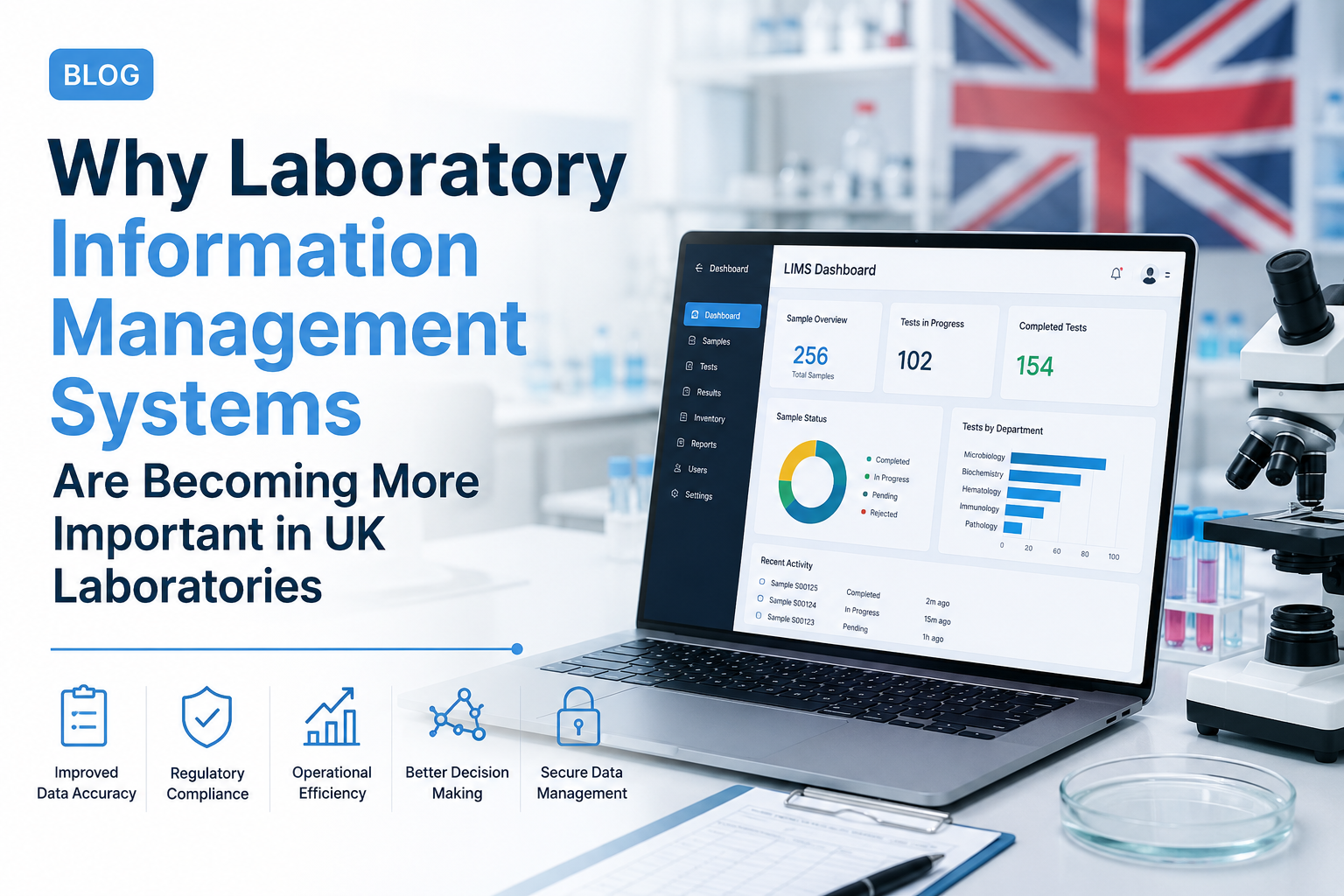
Laboratories across the United Kingdom are facing increasing pressure to manage larger volumes of scientific data while maintaining accuracy, regulatory compliance, and operational efficiency. As research environments become more digital and data-intensive, laboratory information management systems (LIMS) are becoming an important part of modern laboratory infrastructure like digelab.
A recent study on the UK Laboratory Information Management System market highlights growing adoption of digital laboratory platforms across healthcare, pharmaceutical, biotechnology, environmental, and research institutions. The shift reflects broader changes in laboratory operations, where organizations are looking for more structured ways to manage workflows, samples, reporting, and compliance processes.
The Expanding Role of Digital Laboratory Systems
Traditional laboratory operations often depend on manual recordkeeping, spreadsheets, and disconnected software tools. While these methods may work for smaller workloads, they can become difficult to manage in environments handling large datasets, complex testing procedures, or strict regulatory requirements.
Laboratory information management systems help centralize laboratory activities by organizing sample tracking, test scheduling, data storage, workflow management, and reporting within a single platform. These systems are increasingly being used to reduce administrative complexity and improve visibility across laboratory operations.
The growing use of digital laboratory infrastructure is also linked to the expansion of data-driven research. Modern laboratories generate significant amounts of information through diagnostic testing, genomic analysis, drug development, and environmental monitoring. Managing this information manually can create delays and increase the risk of errors.
Healthcare and Diagnostics Are Driving Adoption
Healthcare and diagnostic laboratories are among the major users of laboratory information management systems in the UK. Hospitals, pathology laboratories, and clinical research organizations increasingly rely on digital systems to manage patient data, testing workflows, and reporting requirements.
The experience of the COVID-19 pandemic also accelerated conversations around laboratory digitization. During periods of high testing demand, many laboratories faced operational bottlenecks related to sample management, reporting delays, and data coordination. Since then, there has been greater focus on improving laboratory efficiency and digital preparedness.
LIMS platforms are now commonly integrated with diagnostic instruments, electronic health record systems, and reporting software to improve operational coordination. In clinical environments, automation is also helping reduce manual data entry and improve traceability.
The UK healthcare sector continues to invest in digital transformation initiatives aimed at improving data interoperability and operational efficiency across healthcare infrastructure. According to the National Health Service, digital systems are becoming increasingly important for supporting connected healthcare services and improving access to information.
Pharmaceutical and Biotechnology Research Is Becoming More Data-Intensive
Pharmaceutical and biotechnology companies are also contributing to demand for laboratory information management systems. Drug discovery, vaccine development, and molecular research generate large amounts of structured and unstructured data that require careful organization.
Research teams increasingly need systems capable of supporting collaboration between laboratories, research institutions, and manufacturing environments. In these settings, LIMS platforms can help standardize workflows and maintain data consistency across multiple projects.
Regulatory compliance is another important factor. Pharmaceutical organizations operating in the UK must follow strict documentation and reporting requirements. Digital laboratory systems are often used to support audit readiness, electronic signatures, and traceable data management practices.
As research environments become more automated, integration between laboratory instruments and information management platforms is also becoming more common. This allows data to move directly between devices and centralized systems with less manual intervention.
Cloud-Based LIMS Platforms Are Gaining Attention
Cloud computing is influencing how laboratory information management systems are deployed and managed. Traditionally, many laboratories relied on on-premise software installations that required dedicated IT infrastructure and ongoing maintenance.
Cloud-based LIMS platforms offer a different approach by enabling remote access, centralized updates, and easier integration across multiple locations. These systems are becoming increasingly relevant for organizations operating distributed laboratory networks or collaborative research environments.
Cloud deployment can also improve scalability. Laboratories experiencing fluctuating workloads may find cloud systems easier to adapt compared to fixed infrastructure environments.
At the same time, data security and compliance remain important considerations. Laboratories handling sensitive healthcare or research data must ensure that cloud platforms meet regulatory standards related to data protection and cybersecurity.
The UK Health Security Agency has emphasized the importance of secure digital infrastructure in supporting public health and laboratory resilience.
Automation and Artificial Intelligence Are Influencing Laboratory Operations
Automation technologies are increasingly being integrated into laboratory workflows. Many laboratories are exploring ways to reduce repetitive administrative tasks while improving turnaround times and operational consistency.
Artificial intelligence and machine learning tools are also beginning to influence laboratory data analysis and workflow optimization. Some systems can assist with pattern recognition, anomaly detection, predictive maintenance, and workflow prioritization.
However, laboratories are approaching AI adoption cautiously. Concerns related to validation, transparency, and regulatory oversight remain important, particularly in healthcare and pharmaceutical environments where accuracy is critical.
Rather than replacing laboratory professionals, many digital systems are currently being used to support administrative coordination and improve access to structured data.
Interoperability Remains a Practical Challenge
Despite increasing adoption of digital laboratory systems, interoperability continues to present operational challenges. Many laboratories still use older instruments and legacy software that may not integrate easily with modern management platforms.
Differences in data formats, software standards, and reporting structures can create inefficiencies when laboratories attempt to connect multiple systems. Integration projects may also require significant customization depending on the complexity of laboratory environments.
As laboratories continue modernizing operations, there is growing discussion around standardized digital frameworks that support better compatibility between systems, instruments, and healthcare networks.
This issue is particularly relevant in collaborative research environments where institutions need to exchange data securely across multiple platforms and locations.
The Shift Toward Digitally Connected Laboratories
Laboratory information management systems are increasingly being viewed as part of a broader transition toward digitally connected laboratory environments. Rather than functioning only as administrative tools, these platforms are becoming integrated into wider operational and research infrastructure.
The growing complexity of laboratory workflows, combined with rising data volumes and regulatory expectations, is contributing to the need for more structured digital management systems.
In the UK, this shift reflects broader trends across healthcare, life sciences, and research sectors where organizations are evaluating how digital infrastructure can support long-term operational efficiency, collaboration, and data management.