



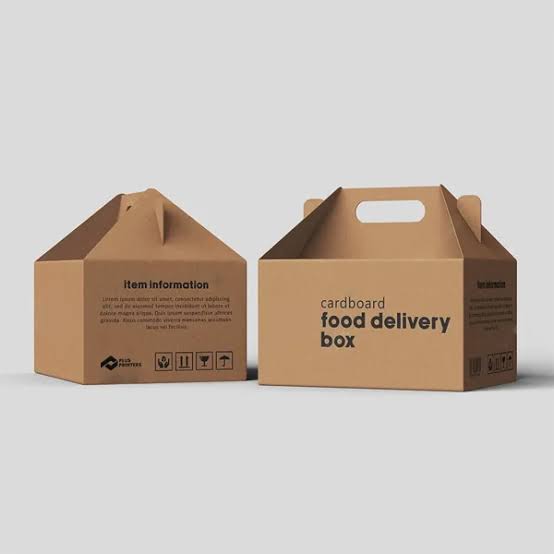
A great takeaway experience involves more than the quality of the food. Customers also notice how their orders are packed, how easy the packaging is to carry, and whether their meals arrive in good condition. Even a delicious meal can disappoint if the box leaks, the food becomes soggy, or the packaging is difficult to open.
For restaurants, cafés, food trucks, and takeaway businesses, packaging connects the kitchen with the customer. It helps protect food during transport, keeps orders organised, and creates an opportunity to communicate the business’s identity. Practical packaging choices can therefore support both customer satisfaction and day-to-day operations.
For businesses serving different menu items, Custom Food Boxes UK can provide a foundation for organised takeaway presentation. The right box should suit the food inside while making the order convenient to handle, carry, and enjoy.
First Impressions Matter
Packaging is often the first physical part of a takeaway order that customers interact with. A clean, well-structured box can make a meal feel carefully prepared, while damaged or poorly fitted packaging may create a negative impression before the customer even tastes the food.
Presentation does not necessarily require elaborate designs. A neat box, secure closure, and consistent branding can create a professional appearance. Businesses can build on these basics with colours, graphics, and printed details that reflect their style.
The goal is to make the packaging feel like a natural extension of the food and service rather than an afterthought.
Protect Food During Delivery
Food can change during the journey from restaurant to customer. Heat, steam, grease, sauces, and movement all affect how well a meal arrives. Packaging should be selected according to these conditions instead of relying on appearance alone.
For example, fried foods may need ventilation to help manage steam, while meals containing sauces require suitable leak resistance. Burgers and sandwiches need enough room to prevent crushing, and heavier meals may need stronger packaging to support their weight.
Testing packaging with actual menu items can help identify problems before they lead to customer complaints. Consider the typical delivery time, how orders are stacked, and whether the food remains presentable after transport.
Make Branding Recognisable
Packaging can help customers remember a business long after they finish their meal. A logo, distinctive colour palette, or repeated graphic can make takeaway orders recognisable and create consistency across different products.
Custom printing also helps businesses maintain a unified appearance across boxes, cups, bags, and food wraps. Instead of using unrelated packaging styles, restaurants can coordinate these items around a common visual identity.
The design should remain clear and useful. Important branding elements need enough space to stand out, while unnecessary graphics can make a package feel crowded. A simple, consistent design can be effective for both independent food businesses and larger restaurant brands.
Make Packaging Easy to Use
Convenience matters for customers and staff alike. Packaging that is easy to assemble, close, stack, and open can make busy service periods more manageable.
Employees should be able to pack orders without spending too much time adjusting boxes or struggling with awkward closures. Customers, meanwhile, should be able to carry their meals comfortably and access the food without unnecessary mess.
Features such as well-fitted lids, suitable portion sizes, and secure closures can improve the overall experience. The best design is one that works naturally during everyday service.
Match the Packaging to the Menu
Different foods need different packaging formats. A bakery selling pastries may prioritise presentation, while a burger shop may focus on grease resistance and keeping ingredients in place. A restaurant offering several dishes in one order may need boxes that stack securely and fit inside delivery bags.
Businesses should review their menus before selecting packaging. Consider food dimensions, weight, temperature, moisture, and the length of time an order typically spends in transit.
This approach can also simplify stock management. A carefully planned range of box sizes may cover most menu items without requiring staff to manage too many packaging options.
Consider Sustainability Carefully
Packaging decisions increasingly involve questions about materials and disposal. Many businesses want to reduce unnecessary waste, but environmental claims should reflect the actual product and the waste systems available to customers.
Paper-based packaging is not automatically recyclable in every situation. Food residue, coatings, windows, and mixed materials can affect how an item is processed after use. Similarly, compostable packaging requires appropriate conditions and access to suitable collection facilities.
Businesses can take a practical approach by checking supplier specifications, choosing appropriately sized packaging, reducing unnecessary components, and providing clear disposal guidance where possible. The objective is to select packaging that performs well while fitting realistic waste-management arrangements.
Create a Consistent Takeaway Experience
Customers often interact with several packaging items in a single order. A meal may arrive in a food box alongside a drink cup, napkin, sauce container, and carrier bag. If these items look coordinated, the overall presentation can feel more professional.
Consistency does not mean every item must have an identical design. Businesses can use the same logo, colour palette, or graphic style across different formats while selecting structures suited to each product.
A consistent packaging range can also help staff recognise the correct items for different orders. This supports smoother service and makes it easier to maintain a recognisable brand experience across locations.
FAQs
Why is food packaging important for takeaway businesses?
Food packaging helps protect meals during handling and delivery, keeps orders organised, and contributes to the customer’s overall impression of the business.
How can packaging improve food delivery?
Suitable packaging can help prevent spills, reduce crushing, manage grease and moisture, and keep different items organised during transport.
Does custom printing help a restaurant’s branding?
Yes. Printed logos, colours, and graphics can make packaging more recognisable and create a consistent appearance across takeaway orders.
What should businesses consider when choosing sustainable packaging?
Businesses should check the material, coatings, food-contact suitability, and available recycling or composting routes rather than relying on broad environmental claims.
Final Thoughts
Food packaging is an important part of the takeaway experience. It helps protect meals, supports efficient service, and influences how customers perceive a business. The most effective solutions combine practical construction with clear branding and a design suited to the menu.
For businesses reviewing their packaging range, customprintedpaper offers a starting point for exploring packaging options for different products and applications. By focusing on food protection, usability, presentation, and responsible material choices, businesses can create a more consistent experience from the kitchen to the customer’s table.