






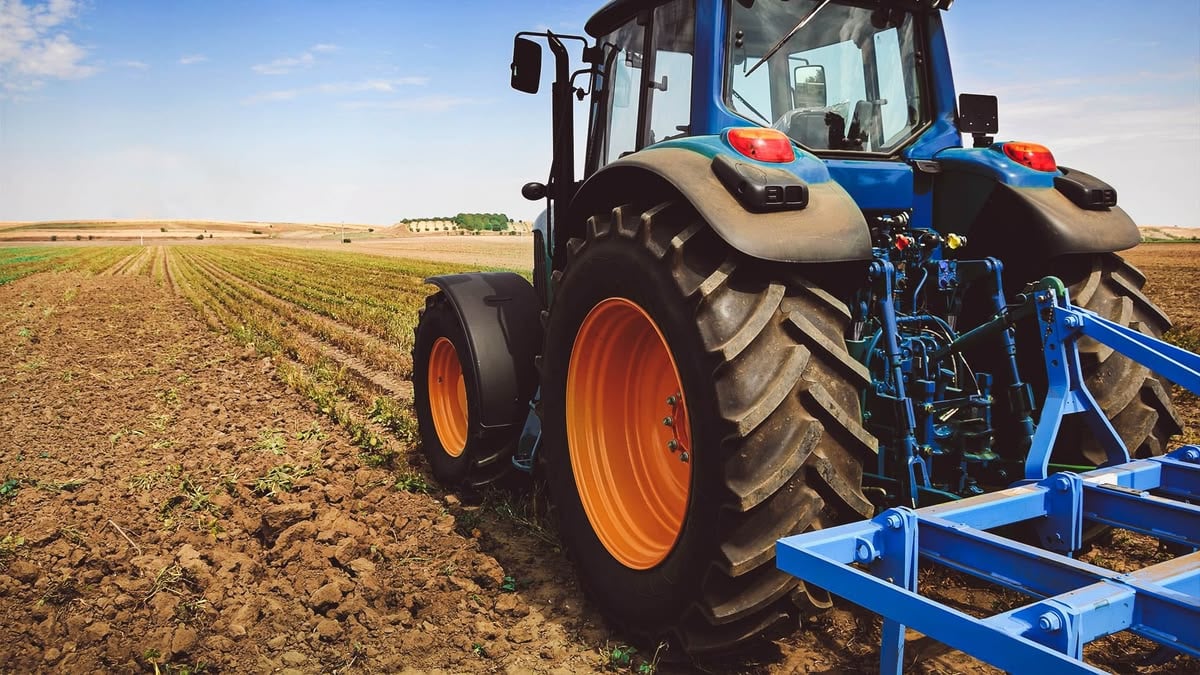
There are plenty of variables to consider when running a farm with fluctuating weather, fuel prices, maintenance and harvesting periods. As a farmer the last thing you want is to find out that your tractor, combine or grain dryer will not run due to a delay in fuel delivery. Choosing the right fuel supplier for your farm will ensure that your agricultural machinery runs smoothly, you can plan your fuel usage during the seasons and help manage your costs. Whether you need red diesel for your tractors, road diesel for your vehicles, oils for your machinery or heating oil for your buildings, choosing the right supplier can make a real difference. With many suppliers offering agricultural fuel oils UK it is important to understand how to choose a reliable partner.
Reliability Over Price: Evaluating Delivery Lead Times and Harvest Contingency Plans
Fuel prices will play a role but finding a supplier with the lowest price can become costly if they are unreliable. During busy harvest times you may be running your machinery for long hours. If your fuel runs out you may have issues with your harvesting. A reliable supplier should be able to give you realistic delivery times and keep you informed when there may be changes to availability. Before choosing a supplier ask about how quickly your order will be processed, if they offer emergency deliveries and how they will cope with increased demand during peak times. A reliable fuel delivery service should have plans in place for any unexpected issues.
This could include alternative delivery methods, multiple storage facilities and managed supply during peak times. It is also important to be aware of any limitations. Even the most experienced of suppliers can be affected by the lack of access to rural areas, extreme weather conditions and high demand. Look for a company that will be specific with their processes and has reliable communication. Planning regular deliveries of fuel in advance of the busiest times of farming can help reduce the risk of disruption.
Local Depots and Dedicated Tankers: Why Direct Fleet Ownership Matters for Rural Access
Agricultural properties often present delivery challenges that differ from those of commercial premises in towns and cities.
Narrow country lanes, uneven access roads, limited turning space, and remote storage tanks can make fuel deliveries more complicated.
This is where a supplier’s distribution network becomes particularly important.
Companies with nearby depots may help with efficient delivery coordination and adapting to changing needs. Companies with their own tanker fleets will have more control over vehicle scheduling, driver availability and delivery. Smaller tankers or vehicles with appropriate delivery hoses may be useful if you have a farm that is hard to get to. However, some companies will have a good relationship with a transport partner and will not necessarily own their own fleet. This means that the most important thing to look at is how reliable they can be to deliver to you. When comparing companies, look at if they regularly deliver to rural properties in your area, what size vehicles they have available and if there are any extra charges for difficult access. A company that knows the local agricultural environment will make ordering your fuel easier and more predictable.
One-Stop Supply: Sourcing Red Diesel, Road Diesel, Lubricants, and Heating Oil Under One Account
Most agricultural businesses use a variety of fuels. This means that you may have more than one product to supply for vehicles, equipment and heating. This can create extra administration and additional invoices.
Common agricultural fuel requirements
| Fuel or product | Typical farm application |
| Red diesel | Eligible tractors and agricultural machinery |
| Road diesel | Road vehicles and other equipment requiring duty-paid diesel |
| Lubricants | Engines, hydraulic systems, and agricultural machinery |
| Industrial heating oil | Compatible commercial or agricultural heating applications |
| Domestic heating oil | Farmhouse heating and suitable residential heating systems |
Red diesel remains an important fuel for UK agriculture, but its use is subject to eligibility rules. HMRC permits rebated fuel in specified agricultural vehicles and machinery when used for qualifying purposes. It cannot simply be used in every vehicle operating on a farm.
Farmers who also operate workshops, storage buildings, or other facilities may need an industrial oil supplier capable of providing appropriate industrial heating oil products.
Meanwhile, farmhouses with oil-fired heating may require domestic heating oil.
By using suppliers who offer agricultural and domestic products, you can simplify the process of your fuel and ensure there are clear differences between the different types of fuels. When looking at domestic oil suppliers, you should consider how readily available heating oil is, delivery times, quality of customer service and compatibility with your heating system. A reliable domestic oil supplier will be able to deliver fuel at regular intervals during the colder months to help you maintain the right amount of fuel. Using one account for all your fuel needs can make the process easier by reducing the amount of paperwork. However, you may still have separate tanks and appropriate documentation.
Transparent Pricing and Flexible Contracts: Avoiding Hidden Surcharges and Seasonal Price Spikes

Fuel prices can fluctuate throughout the year, depending on market conditions, demand, delivery costs and supply problems. This can cause problems when you have a tight budget in your farm business. A reliable supplier will be able to explain their fuel pricing and any extra charges. These could include minimum order levels, delivery top-ups, emergency delivery and out of area. When agreeing a deal ask them to give you a detailed breakdown and confirm that their pricing includes all the charges and taxes. It can be worthwhile to compare different deals. Some farms prefer to order fuel as and when they need it however some might prefer regular deliveries or long term contracts. Being able to have flexible deals can be very useful if you have varying fuel needs throughout the year. You should also consider this alongside transparent pricing.
Check whether the agreement includes minimum purchase volumes, cancellation conditions, or provisions for changes in market prices.
A supplier willing to discuss these terms openly can help farmers make more informed purchasing decisions.
Storage Compliance and Telemetry: Finding a Partner Who Supports Safe Tank Management
Once the fuel has been delivered in the tankers it is important that it is stored correctly to avoid leaks, protect the environment and keep the fuel quality. The tanks on farms should be appropriate for the fuel being stored and placed in a safe area for deliveries. In England farms that store more than 1,500 litres of agricultural fuel oil in total must follow the agricultural fuel oil storage regulations. This includes new storage areas and major changes. Different regulations may apply to domestic heating oil and other uses in business. Regulations also vary between the nations in the UK.
Knowledgeable fuel suppliers can advise on what tank systems are appropriate. They can organise tank inspections by qualified professionals. Telemetry systems can be used on tanks. These will help you to plan your refueling as they will tell you how much fuel you have in your tanks. Depending on the system, alarms can be set up to let you know when fuel goes below a certain level. If there are multiple tanks or high seasonal usage, this can help decrease the number of times you need to manually check your tanks. Some suppliers can automatically top up your tanks based on the fuel levels. However, regular tank inspections, preventing leaks and good maintenance is still required.
However, telemetry does not replace regular physical tank inspections, leak prevention, and proper maintenance.
Future-Proofing Your Farm: Access to Low-Carbon Fuels and Specialist Machinery Additives

Agriculture is gradually exploring ways to reduce its environmental impact while maintaining productivity.
Alongside improvements in machinery efficiency and fuel management, some farms are considering alternative fuels and specialist products.
Hydrotreated vegetable oil, commonly known as HVO, is one option attracting interest as a renewable diesel alternative.
However, farmers should confirm machinery manufacturer approval, fuel specifications, suitability for their equipment, and any applicable tax or operational requirements before switching.
The green credentials of an alternative fuel will depend on how it is sourced, manufactured and its emissions throughout the supply chain. A progressive fuel supplier will be able to advise on the options available without making unfounded claims about performance. Specialist additives may be required for certain applications. Many manufacturers will recommend additives for fuel stability, low temperature performance or maintenance. These should be chosen based on the equipment specification. A supplier with knowledge of the changing technology in fuels will allow agricultural businesses to assess new options.
Conclusion: Choose a Farm Fuel Supplier That Supports Your Business
Selecting the correct farm fuel supplier will help you establish a reliable partnership. Price is a key factor but having a reliable delivery service, local knowledge, clear contracts, safe storage support and the right products can all be important. Whether it’s red diesel for your machinery, an industrial oil supplier for your heating requirements or domestic heating oil for your farmhouse, working with an established supplier will make managing your fuel much easier. As your farm changes, having a supplier that can offer flexible delivery options, fuel monitoring and the correct alternative fuel options can help you prepare for the future. Looking for a more reliable farm fuel delivery service? Search for a supplier that understands your agricultural needs, can provide the correct products for your farm and has clear and reliable delivery options to keep your business running throughout the seasons.