



Fresh bread deserves packaging that protects its quality while presenting the bakery in a professional way. For bakeries, cafés, bread shops, supermarkets, and food retailers, packaging is an important part of the customer experience. A well-designed bag can keep products organized while also helping customers recognize the business.
Paper bakery packaging has become popular because it can combine practical protection with an attractive appearance. Businesses can choose different paper types, sizes, printing options, windows, and construction styles depending on the products they sell. Current suppliers offer customized bread bags for products ranging from loaves and baguettes to pastries and sandwiches.
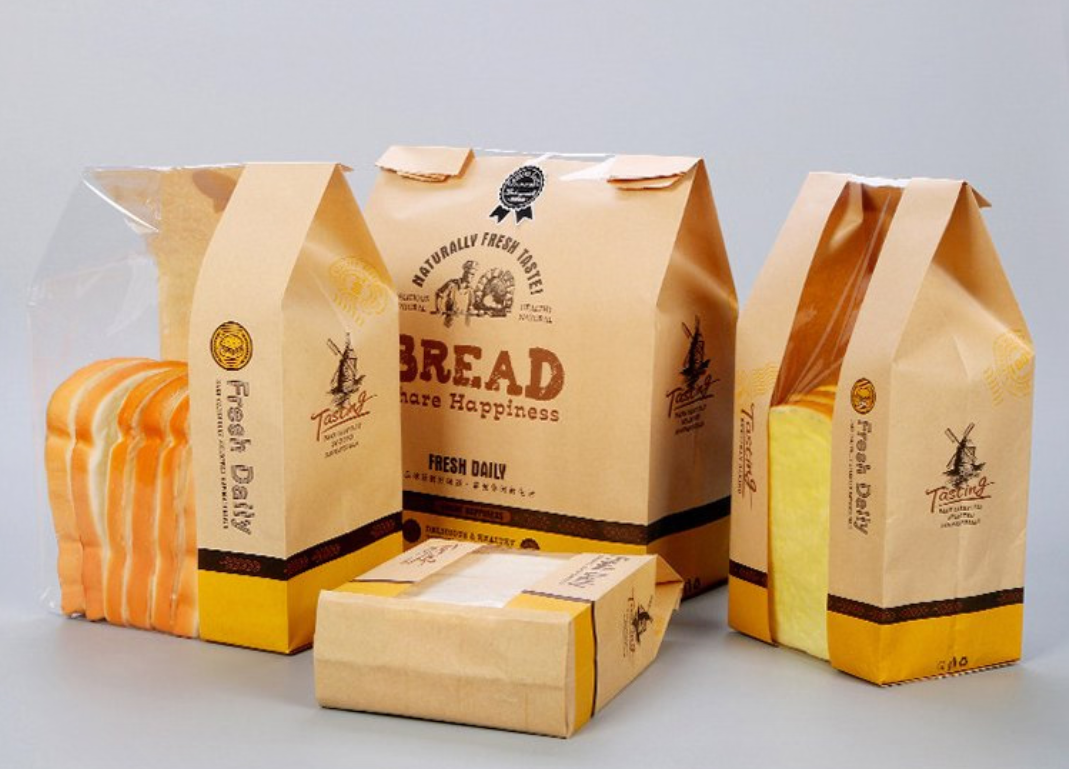
Custom bread paper bags wholesale provide an effective way for bakeries to package products while displaying their brand. A bakery logo, color scheme, slogan, or repeating pattern can be printed directly onto the bag. Window options can also allow customers to see the product inside while keeping the packaging visually appealing.
The right packaging can also help create consistency across a bakery’s product range. Whether customers purchase a loaf of bread, a croissant, a pastry, or a sandwich, coordinated packaging can make every order feel like part of the same brand.
Why Bakery Packaging Matters
Packaging is often the first physical interaction customers have with a bakery after purchasing a product. A clean, attractive bag can make freshly baked goods appear even more appealing and can communicate attention to detail.
For independent bakeries, packaging can be especially valuable as a branding tool. A recognizable bag can help customers remember the business and identify it when they see it again.
Printed packaging can also provide additional visibility outside the store. Customers may carry bakery bags to offices, homes, schools, or social gatherings, allowing the business name and design to be seen by others.
Choosing the Right Paper Material
The material used for a bakery bag should match the product being packaged. Dry bread may have different requirements from buttery pastries, doughnuts, filled sandwiches, or other products containing oils and moisture.
Kraft paper is popular for bakery packaging because it offers a natural appearance and can provide sufficient structure for many products. White paper can provide a cleaner background for detailed printing and colorful branding. Grease-resistant materials may be preferable for products that contain butter, oil, or fillings.
Businesses should also consider whether the product needs ventilation. Fresh bread can release moisture, so the bag design should be selected according to the product’s storage and serving conditions rather than simply focusing on appearance.
Custom Sizes for Different Bakery Products
A single bag size may not be suitable for every bakery product. Small bags can be useful for individual pastries and rolls, while larger formats may be needed for loaves, baguettes, or multiple products.
Custom dimensions allow businesses to choose a bag that fits their products more effectively. Current suppliers offer different widths, heights, depths, and construction styles, with some providing fully customized dimensions.
Choosing the correct size can also reduce unnecessary material use. A bag that is too large may look untidy and require additional storage space, while a bag that is too small can make packing difficult.
Before ordering a large quantity, bakeries should test different sizes with their actual products. This helps determine whether the bag provides enough room while maintaining an attractive presentation.
Adding a Window to Bread Bags
A transparent window can be a useful feature for bakery packaging because it allows customers to see the product without opening the bag. This can be particularly effective for pastries, specialty breads, cookies, and other visually appealing baked goods.
Windowed bags can combine product visibility with printed branding. The bakery can place its logo and other information around the window while allowing the food itself to remain the main visual focus.
The window size and position should be considered carefully. It should provide enough visibility without taking away too much printable space or compromising the structure of the bag.
For products where appearance influences purchasing decisions, a window can make packaging more informative and attractive.
Printing Your Bakery Logo
Custom printing gives bakeries the opportunity to create packaging that reflects their brand identity. A simple logo can be repeated across the bag, or businesses can create a more detailed design using colors, illustrations, patterns, and other elements.
A consistent design can make packaging immediately recognizable. Bakeries may use the same typography, colors, and logo style on bags, boxes, labels, stickers, and other promotional materials.
Printing specifications vary between suppliers. Some offer one-color printing for simple designs, while others provide multi-color or full-surface printing. Before production, businesses should review a proof to confirm that the artwork, colors, dimensions, and logo placement are correct.
Applications Beyond Bread
Although designed primarily for bread and bakery products, these bags can be useful for a much wider range of food items. Bakeries can use them for croissants, rolls, cookies, pastries, sandwiches, doughnuts, and other takeaway products.
Cafés can use smaller bakery bags for grab-and-go items, while delis can use suitable formats for sandwiches and snacks. Food retailers can also select printed bags to create consistent packaging across different product categories.
For businesses selling multiple types of baked goods, having a coordinated packaging system can simplify purchasing while maintaining a unified appearance.
The appropriate material should always be selected according to the product. Foods with significant grease or moisture may require a more resistant paper specification than dry bread.
Ordering Bakery Bags in Bulk
Businesses with high daily packaging requirements may benefit from ordering bags in larger quantities. Wholesale purchasing can make inventory management easier and help ensure that the same packaging is available consistently.
Minimum order quantities vary between manufacturers. Some suppliers offer smaller custom runs, while factory-scale packaging companies may require tens of thousands of units for customized production.
Price should not be the only factor when comparing suppliers. Businesses should also consider paper quality, printing accuracy, bag dimensions, window options, production time, shipping, and minimum order requirements.
Requesting samples before placing a large order can help identify potential problems. A sample can be tested with actual bread and bakery products to determine whether the size, material, structure, and appearance are suitable.
Selecting Custom Greaseproof Paper for Bakery Packaging
Custom greaseproof paper with Logo can complement bakery bags by providing an additional packaging option for products that contain butter, oil, fillings, or other moisture. It can be supplied as sheets or rolls and customized with logos, patterns, colors, and different sizes.
This type of paper can be useful for lining bakery boxes, wrapping pastries, separating products, or presenting baked goods at counters and takeaway stations. Its grease-resistant properties can help reduce oil transfer and maintain a cleaner appearance during handling.
Businesses should select the material according to the food being packaged. A dry loaf of bread may need a different specification from a buttery croissant or filled pastry. Suppliers can provide different paper weights and material options based on the intended application.
Using coordinated bags and paper liners can also create a stronger visual identity. When the same logo and design language appears across multiple packaging products, customers receive a more consistent brand experience.
Creating Better Bakery Branding
Bakery packaging should combine practicality with presentation. The right bag can protect a product, make carrying easier, and provide valuable space for brand recognition.
A strong design does not necessarily need to be complicated. A clear logo, attractive typography, suitable colors, and a simple pattern can create a professional appearance while keeping attention on the baked product.
For bakeries and food businesses, customized packaging can turn everyday orders into opportunities for stronger brand recognition. By choosing suitable materials, accurate dimensions, effective printing, and reliable production quantities, businesses can create packaging that supports both efficient service and a memorable customer experience.