



Food packaging is more than a simple protective layer. For restaurants, bakeries, cafés, food trucks, delis, and takeaway businesses, packaging can influence how customers perceive the quality and professionalism of a brand. Clean, attractive, and functional paper can make food look better while making it easier to handle and serve.
As food businesses become more focused on presentation and branding, customized paper has become a practical packaging solution. Businesses can choose different sizes, formats, materials, and printing designs depending on how their products are prepared and served. Current suppliers offer customized food papers in both sheets and rolls for applications ranging from bakery liners to sandwich wraps and takeaway packaging.
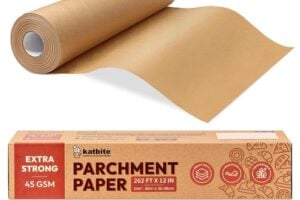
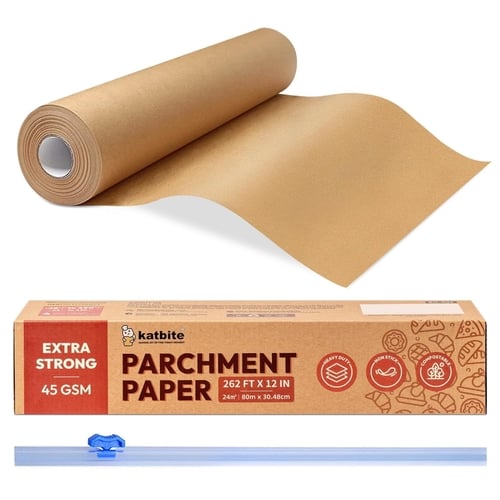
Custom Parchment Paper Wholesale is particularly useful for businesses that want packaging that combines professional presentation with practical food-service performance. Depending on the specification, parchment can be used for baking, tray lining, food wrapping, basket lining, and takeaway presentation. Printed versions can feature a restaurant logo, repeating pattern, brand colors, or other artwork.
Customized food paper also gives businesses an opportunity to create consistency across their packaging. When the same branding appears on wrappers, boxes, bags, cups, and liners, customers can more easily recognize the business and associate its visual identity with the food they receive.
Why Custom Food Paper Is Important
The appearance of food packaging can influence the overall customer experience. A neatly wrapped sandwich or professionally lined food basket often looks more appealing than food presented in plain paper.
For takeaway businesses, packaging can provide additional brand exposure. A printed logo remains visible while customers carry their food home, eat at work, or share pictures of their meal online.
This makes branded paper different from many traditional marketing materials. It is directly connected to the product and reaches customers as part of their normal purchasing experience.
Benefits for Bakeries and Restaurants
Parchment-based packaging can be especially useful for bakeries because of its association with baking and non-stick food preparation. Depending on the product specification, it can be used as a baking liner, tray liner, pastry separator, or food wrap.
Restaurants can also use customized paper for sandwiches, burgers, fries, wraps, pastries, and other takeaway foods. Suppliers currently offer printed sheets and rolls in custom dimensions for different food-service applications.
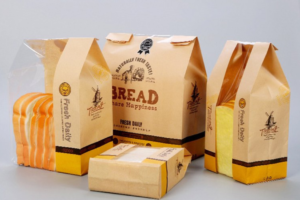
For a bakery, branded paper can help create a more polished presentation inside cake boxes, pastry boxes, and takeaway bags. For a restaurant, it can help turn baskets, trays, and wrapped meals into recognizable branded products.
Custom Sizes and Formats
One of the main advantages of ordering customized food paper is flexibility. Different menu items require different packaging dimensions, and using the wrong size can lead to unnecessary folding or material waste.
Pre-cut sheets can be useful for wrapping individual products and lining baskets or trays. Rolls can be better suited to businesses that require flexible lengths or process large quantities of food.
Suppliers offer various standard sizes as well as custom dimensions. Some also allow customers to select paper weight and printing specifications according to their particular application.
Before ordering, businesses should measure the products they intend to wrap or line. Testing a few sample sizes can help determine the best balance between coverage, presentation, and material usage.
Printing Your Brand on Food Paper
Custom printing allows businesses to transform plain packaging into a recognizable part of their brand identity. A repeating logo is a simple and effective option, while more detailed designs can include brand colors, illustrations, slogans, or decorative patterns.
Printing methods and available colors vary by supplier. Current options include single-color, multiple-color, CMYK, spot-color, and all-over pattern printing.
A repeating design is particularly useful because the logo remains visible regardless of how the paper is folded. Businesses should also make sure the artwork remains clear at the final print size.
Before production, reviewing a digital proof is highly recommended. Logo placement, spelling, colors, dimensions, and pattern alignment should all be checked before approving the final design.
Food Safety and Material Selection
Food businesses should always consider whether a paper product is appropriate for its intended application. This is particularly important when the paper will come into direct contact with food.
Suppliers offer different food-grade materials and printing options, so businesses should ask for relevant product specifications or documentation when required. Some suppliers advertise food-safe inks and materials designed specifically for food-contact packaging.
It is also important to distinguish between paper intended for baking and paper intended primarily for wrapping or presentation. For oven applications, businesses should follow the manufacturer’s stated temperature and usage instructions rather than assuming every parchment-style product has the same heat resistance.
Testing samples with actual food is another useful step. This can show how the material performs with grease, moisture, heat, sauces, and normal handling.
Applications Across the Food Industry
Customized food paper can be used in many different food businesses. Bakeries can use it for pastries, cookies, cakes, bread products, and baking trays. Restaurants can use it for burgers, sandwiches, fries, wraps, and takeaway meals.
Cafés can use smaller sheets for pastries and baked goods, while food trucks can use printed paper as burger wraps or basket liners. Catering businesses can also use branded paper to create a consistent presentation at events.
The versatility of these products makes them suitable for both small independent businesses and larger food-service operations. Custom paper can be incorporated into existing packaging without requiring a complete change to the business’s serving process.
Buying in Bulk for Better Consistency
Businesses that use food paper regularly may benefit from ordering larger quantities. Bulk purchasing can simplify inventory management and help maintain consistent packaging across multiple orders.
However, minimum order quantities differ significantly between suppliers. Some manufacturers offer smaller custom runs, while others focus on larger commercial orders. Buyers should compare the minimum quantity, paper specifications, printing quality, production time, shipping costs, and available customization before choosing a supplier.
It is also useful to ask whether the supplier provides artwork support or digital proofs. A small amount of preparation before production can prevent costly errors in large orders.
Choosing Custom Greaseproof Paper for Food Service
Custom Greaseproof Paper Wholesale is another practical option for businesses that primarily need protection from grease and moisture. It can be customized with logos, colors, patterns, and other branding elements and is commonly offered in sheet or roll formats. Suppliers promote it for applications including burgers, sandwiches, fried foods, pastries, and basket liners.
When selecting this type of packaging, businesses should consider the amount of grease and moisture produced by their food. A suitable specification can help reduce oil transfer and keep the outside of the package cleaner during serving.
Paper weight, sheet dimensions, roll width, printing method, and material type can all be customized depending on the supplier. Some current offerings include food-grade paper options, vegetable or other food-safe inks, and different printing treatments.
For restaurants and food brands, the most effective packaging solution is one that balances performance with presentation. Choosing an appropriate material and testing it with actual menu items can help ensure that the final product works well in everyday service.
Creating a Professional Brand Experience
Food packaging is an opportunity to connect functionality with branding. A carefully designed wrapper or liner can protect food, improve presentation, and give customers another memorable interaction with a business.
The best designs usually remain simple and recognizable. A clear logo, consistent colors, and a repeating pattern can create a professional appearance without distracting attention from the food itself.
Whether used in a bakery, restaurant, café, deli, or food truck, customized food paper can become an effective part of a broader packaging strategy. By selecting suitable materials, accurate sizes, reliable printing, and appropriate quantities, businesses can create packaging that supports efficient service while strengthening their overall brand presentation.