




As the years pass, maintaining a vibrant, firm, and youthful complexion becomes a primary goal for individuals seeking non-surgical solutions to reverse visible signs of time. Innovative regenerative skincare approaches, such as Exosome Therapy in Abu Dhabi, are transforming how skin rejuvenation is approached by targeting cellular communication rather than merely masking surface imperfections. Rather than relying on artificial volume or temporary surface exfoliation, modern cellular science focuses on revitalizing the skin’s natural repair mechanisms from within. Understanding how these microscopic messengers interact with aging tissue provides clarity on why regenerative aesthetics has captured global interest.
-
Cellular Focus: Regenerative aesthetics targets the biological root causes of aging by improving how skin cells communicate and repair themselves.
-
Non-Surgical Approach: Exosome applications offer a minimally invasive alternative to traditional cosmetic interventions.
-
Holistic Rejuvenation: The primary objective is restoring natural skin structure, elasticity, and radiance from the deeper layers outward.
Understanding the Biology of Skin Aging
To appreciate how cellular therapies influence skin health, it is essential to first examine what happens beneath the surface as skin matures. Skin aging is a complex biological process driven by both intrinsic chronological factors and extrinsic environmental stressors, such as ultraviolet radiation and pollution. Over time, the foundational architecture of the dermis weakens, leading to visible changes in texture, tone, and firmness.
-
Dual Aging Drivers: Skin deteriorates due to natural internal biological clocks combined with external damage like sun exposure and oxidative stress.
-
Structural Weakening: The deeper layers of the skin lose their supportive framework, resulting in sagging and surface irregularities.
The Decline of Collagen and Elastin
Collagen and elastin are the two structural proteins responsible for keeping skin plump, resilient, and supple. In youth, specialized cells called fibroblasts continuously synthesize fresh collagen fibers and elastic networks. However, starting in early adulthood, collagen production decreases steadily each year, while existing fibers become fragmented and disorganized. Simultaneously, enzymes known as matrix metalloproteinases (MMPs) become more active, accelerating the breakdown of the extracellular matrix.
-
Protein Depletion: Aging slows down the natural synthesis of collagen and elastin, leading to fine lines and loss of bounce.
-
Enzymatic Breakdown: Elevated MMP activity actively degrades existing structural proteins faster than the body can replace them.
Cellular Senescence and Chronic Inflammation
Another hallmark of aging skin is the accumulation of senescent cells—often referred to as “zombie cells”—which have stopped dividing but refuse to die. These aging cells secrete pro-inflammatory cytokines that trigger a state of persistent, low-grade inflammation known as “inflammaging”. This chronic inflammatory environment impairs normal tissue repair, weakens the epidermal barrier, and contributes to uneven pigmentation and dullness.
-
Senescent Cell Buildup: Non-dividing cells linger in the tissue and disrupt the healthy functioning of neighboring skin cells.
-
Inflammaging Impact: Low-grade chronic inflammation accelerates tissue breakdown and impairs the skin’s ability to heal.
What Are Exosomes and How Do They Work?
Exosomes are nanosized extracellular vesicles naturally released by almost all cell types in the human body, as well as certain plants. Measuring roughly 30 to 150 nanometers in diameter, they act as the body’s microscopic courier system, transporting vital biological cargo from one cell to another. Because they are cell-free particles rather than living cells, they serve purely as biological messengers capable of influencing how recipient cells behave.
-
Microscopic Messengers: Exosomes are tiny, cell-free vesicles that facilitate vital communication between cells throughout the body.
-
Targeted Delivery: They transport concentrated biological signals directly to aging or damaged cells to trigger renewal.
The Bioactive Cargo Inside Exosomes
Inside their protective lipid bilayer membrane, exosomes carry a rich payload of bioactive molecules. This cargo includes growth factors, peptides, cytokines, lipids, amino acids, and genetic signaling material such as messenger RNA (mRNA) and microRNA (miRNA). When exosomes are derived from regenerative sources like mesenchymal stem cells (MSCs), their cargo is specifically geared toward tissue repair, cellular proliferation, and anti-inflammatory regulation.
-
Rich Molecular Payload: Each vesicle contains essential growth factors, proteins, and microRNAs that govern cellular health.
-
Regenerative Blueprints: Mesenchymal stem cell-derived exosomes carry specialized instructions that promote tissue restoration.
Cellular Reprogramming and Signal Transfer
When applied to the skin, exosomes interact with aged fibroblasts and keratinocytes through endocytosis or direct membrane fusion. Once inside the recipient cell, they release their bioactive cargo, effectively delivering updated blueprints that instruct older cells to behave like younger, healthier ones. This intercellular signaling reactivates dormant repair pathways, stimulates metabolic activity, and restores the natural regenerative rhythm of the skin.
-
Direct Uptake: Skin cells absorb exosomes seamlessly, allowing the regenerative cargo to enter the cellular interior.
-
Behavioral Reset: Delivered microRNAs and growth factors reawaken sluggish fibroblasts to resume youthful repair functions.
Key Ways Exosome Therapy Combats Skin Aging
Scientific investigations into dermatological applications demonstrate that exosome formulations address multiple dimensions of skin aging simultaneously. By intervening at the molecular level, these extracellular vesicles help reverse visible signs of fatigue and structural decline across both the epidermis and dermis.
-
Multi-Targeted Action: Exosomes improve skin firmness, texture, hydration, and tone concurrently rather than isolating a single symptom.
-
Dermal and Epidermal Reach: The therapy supports both surface barrier integrity and deep structural protein synthesis.
Stimulating Natural Collagen and Elastin Synthesis
One of the most documented anti-aging mechanisms of exosomes is their ability to upregulate collagen and elastin production. By transferring key signaling proteins such as transforming growth factor-beta (TGF-β), exosomes stimulate dermal fibroblasts to produce new Type I and Type III collagen alongside fresh elastin fibers. At the same time, they suppress destructive MMP enzymes, preserving existing structural proteins and gradually restoring skin density, firmness, and elasticity.
-
Boosted Protein Synthesis: Exosomes activate fibroblasts to generate abundant new collagen and elastin networks.
-
Matrix Preservation: By inhibiting collagen-degrading enzymes, the therapy helps maintain long-term structural thickness.
Reducing Oxidative Stress and Inflammation
Daily exposure to ultraviolet rays and environmental pollutants generates free radicals, creating oxidative stress that damages cellular DNA and accelerates wrinkle formation. Exosomes carry potent antioxidant enzymes—such as superoxide dismutase (SOD)—and anti-inflammatory cytokines that neutralize free radicals and calm chronic skin irritation. Lowering this inflammatory burden prevents premature cellular breakdown and leaves the complexion looking calmer, brighter, and more balanced.
-
Antioxidant Defense: Exosomes deliver protective enzymes that neutralize damaging free radicals caused by UV exposure.
-
Inflammation Control: Anti-inflammatory signaling calms redness and halts the chronic irritation that drives premature aging.
Enhancing Skin Hydration and Barrier Function
Dehydrated, thinning skin accentuates fine lines and creates a rough, lackluster surface. Exosome signaling promotes the proliferation and healthy differentiation of keratinocytes—the primary cells of the outer skin layer. Furthermore, they encourage the natural synthesis of hyaluronic acid and essential lipids within the extracellular matrix. A stronger, well-hydrated epidermal barrier locks in moisture more effectively and shields deeper tissues from environmental irritants.
-
Moisture Retention: Exosomes stimulate natural hyaluronic acid production to keep skin plump and deeply hydrated.
-
Stronger Protective Barrier: Enhanced keratinocyte renewal reinforces the outer skin layer against transepidermal water loss.
Improving Uneven Tone and Pigmentation
Age spots, sun-induced hyperpigmentation, and blotchy skin tone are frequent concerns in photoaged skin. Research indicates that specific microRNAs within regenerative exosomes help regulate melanogenesis—the biological process responsible for pigment production. By modulating overactive pigment-producing cells and reducing inflammatory triggers, exosomes help fade discoloration and promote a clearer, more uniform complexion.
-
Pigment Regulation: Bioactive signals help balance melanin production to minimize the appearance of dark spots.
-
Luminous Clarity: Reduced oxidative stress and steady cell turnover restore natural radiance to dull, uneven skin.
Combining Exosomes With Aesthetic Rejuvenation Procedures
While exosome serums offer notable restorative properties on their own, they are frequently utilized as a synergistic enhancer alongside established dermatological modalities. Because the outer stratum corneum acts as a natural shield, pairing exosomes with treatments that create temporary micro-channels or controlled surface renewal allows the vesicles to penetrate deeper into the dermis.
-
Synergistic Enhancement: Combining exosomes with energy-based or mechanical treatments maximizes cellular absorption and overall outcomes.
-
Accelerated Tissue Recovery: Regenerative signals soothe post-procedure inflammation and speed up natural skin healing.
Pairing With Microneedling and Radiofrequency
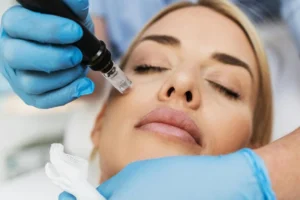
Microneedling and radiofrequency microneedling create thousands of microscopic pathways in the skin to trigger a controlled wound-healing cascade. Applying exosomes immediately afterward allows the regenerative vesicles to travel directly through these micro-channels into the deeper dermal layers. This combination amplifies collagen remodeling, improves the appearance of fine lines and acne scars, and noticeably shortens post-treatment redness.
-
Deep Dermal Delivery: Micro-channels act as direct pathways for exosomes to reach target fibroblasts.
-
Amplified Remodeling: The dual approach yields smoother skin texture and firmer contours than mechanical stimulation alone.
Enhancing Laser Resurfacing and Chemical Peels
Ablative and non-ablative laser treatments as well as chemical peels work by removing damaged outer skin layers to reveal fresher tissue beneath. Following these procedures with exosome application delivers immediate anti-inflammatory signals that calm heat sensitivity, minimize peeling, and support rapid epidermal regeneration. Patients benefit from a smoother recovery phase alongside enhanced improvements in skin elasticity and clarity.
-
Soothing Post-Laser Care: Exosomes rapidly calm erythema and sensitivity after thermal or chemical resurfacing.
-
Faster Barrier Restoration: Growth factors accelerate the rebuilding of healthy surface tissue following exfoliation.
Exosomes Compared to Other Regenerative Anti-Aging Options
Individuals exploring regenerative aesthetics often wonder how exosomes compare to established treatments like Platelet-Rich Plasma (PRP) or traditional topical skincare. While all aim to improve skin vitality, their mechanisms, consistency, and depth of action differ significantly.
-
Distinct Mechanisms: Different anti-aging modalities target varying layers of the skin using unique biological or structural approaches.
-
Complementary Roles: Understanding these differences helps clarify how exosomes fit into a comprehensive skin rejuvenation strategy.
Exosomes vs. Platelet-Rich Plasma (PRP)
Platelet-Rich Plasma relies on drawing a sample of a person’s own blood, spinning it in a centrifuge, and extracting growth factors from the concentrated platelets. While PRP has long been valued for tissue repair, its potency can vary depending on the individual’s age, hydration, and overall health. Exosomes, by contrast, require no blood draw and offer a standardized, highly concentrated spectrum of growth factors and microRNAs specifically isolated for cellular signaling.
-
No Blood Draw Required: Exosome applications eliminate the need for venipuncture and centrifuge processing.
-
Consistent Potency: Purified exosome formulations deliver uniform, high concentrations of regenerative messengers regardless of the recipient’s age.
Exosomes vs. Traditional Topical Anti-Aging Skincare
Daily skincare staples such as retinoids, vitamin C, peptides, and niacinamide play an indispensable role in maintaining surface health and protecting against daily environmental damage. However, standard topical molecules primarily act on the upper layers of the epidermis. Exosomes operate at a deeper biological level by delivering complex intercellular instructions directly to dermal fibroblasts, making them a powerful complement to a disciplined daily skincare routine.
-
Surface vs. Cellular Depth: Traditional creams nourish the outer epidermis, whereas exosomes influence deeper cellular repair pathways.
-
Ideal Partnership: Combining daily sun protection and active topicals with periodic exosome sessions maximizes long-term skin resilience.
Frequently Asked Questions
1. How long does it take to see visible anti-aging improvements from exosome therapy?
Because exosomes work by stimulating your skin’s own natural production of collagen, elastin, and hyaluronic acid, improvements develop progressively rather than overnight. Many individuals notice brighter tone, calmer redness, and improved hydration within the first one to two weeks, while firmer texture and softened fine lines continue to emerge over four to twelve weeks as new structural proteins mature.
2. Can exosome therapy replace dermal fillers or neuromodulators?
Exosomes serve a fundamentally different purpose than dermal fillers or muscle-relaxing injectables. Fillers restore lost structural volume beneath the skin, and neuromodulators relax dynamic facial expressions, whereas exosomes regenerate overall tissue quality, elasticity, and cellular health. Rather than replacing those options, exosomes are frequently used alongside them to improve the underlying canvas of the skin.
3. Are exosomes derived from human cells or plants, and is there a difference?
Exosomes used in aesthetic skincare can be isolated from human mesenchymal stem cells, platelets, or specialized plant sources. Human-derived mesenchymal stem cell exosomes carry biological signaling molecules that closely match human cellular receptors, making them highly efficient at communicating with human fibroblasts. Plant-derived exosome-like nanovesicles also provide valuable antioxidant and soothing benefits, though human-compatible formulations generally offer more comprehensive structural signaling.
4. At what age should someone consider incorporating exosomes into their anti-aging routine?
There is no strict chronological rule for starting exosome-based skin rejuvenation. Individuals in their late twenties and thirties often use exosomes preventatively to combat early oxidative stress, refine texture, and maintain collagen reserves. Those in their forties, fifties, and beyond typically utilize the therapy to address more established signs of aging, such as laxity, deeper fine lines, thinning skin, and uneven pigmentation.