






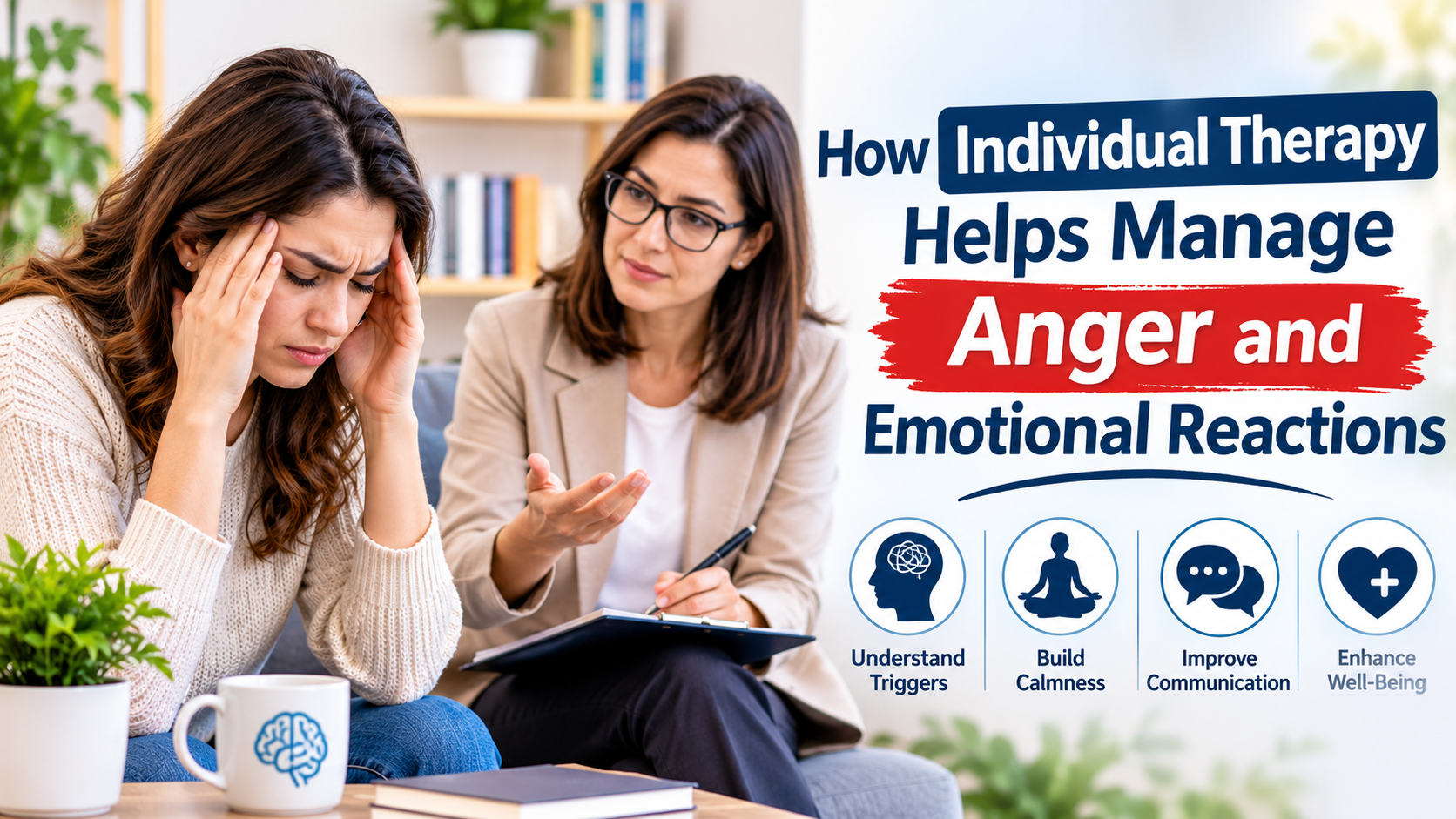
Anger is a natural human emotion that everyone experiences at different points in life. It can arise from frustration, stress, disappointment, misunderstandings, or difficult personal experiences. While feeling angry is not necessarily unhealthy, the way a person responds to anger can affect relationships, professional responsibilities, and overall emotional well-being. When emotional reactions become difficult to control, they may lead to frequent arguments, impulsive decisions, and unnecessary stress. Seeking professional support through individual therapy can help people understand their emotional triggers, develop healthier coping strategies, and respond to challenging situations more constructively.
At Zenup Health, emotional well-being is an important part of maintaining a balanced and healthy life. Understanding personal emotions and learning effective ways to manage them can help individuals develop greater self-awareness and improve their everyday interactions.
Understanding Anger and Emotional Reactions
Anger can develop for several reasons, including work-related pressure, family disagreements, relationship difficulties, financial concerns, and unresolved emotional experiences. Sometimes, individuals may react strongly to situations that appear minor to others because their reactions are influenced by deeper feelings or ongoing stress.
Emotional reactions can include irritation, frustration, sadness, anxiety, defensiveness, and sudden outbursts. When these feelings are not understood or managed effectively, they can interfere with daily activities and personal relationships.
Recognizing that anger may be connected to other emotional experiences is an important first step. Professional guidance can help individuals explore these connections and understand why certain situations trigger intense reactions.
1. Helps Identify Personal Anger Triggers
One of the first steps toward managing anger is understanding what causes it. Different individuals have different emotional triggers. For some, criticism or feeling ignored may create frustration, while others may become angry when they experience uncertainty, pressure, or a lack of control.
Individual therapy provides a private and supportive environment where people can explore these triggers. A therapist may help individuals recognize recurring situations, thoughts, and experiences associated with their emotional reactions.
By identifying these patterns, individuals can become more aware of situations that may lead to anger. This awareness makes it easier to prepare for difficult interactions and choose healthier responses instead of reacting automatically.
2. Develops Healthier Emotional Regulation Skills
Emotional regulation refers to the ability to recognize, understand, and manage emotional responses appropriately. People who struggle with emotional regulation may find it difficult to remain calm during disagreements or stressful situations.
Therapy can introduce practical techniques that support emotional regulation. These may include deep breathing, mindfulness exercises, grounding techniques, and taking a short break before responding to a difficult situation.
For example, instead of immediately reacting to an upsetting comment, an individual can learn to pause, recognize their feelings, and consider a constructive response.
Over time, practicing these techniques can improve emotional awareness and help individuals handle challenging situations with greater patience.
3. Improves Communication and Relationship Skills
Uncontrolled anger can negatively affect communication with family members, friends, partners, and colleagues. Frequent arguments, harsh language, and defensive reactions may create misunderstandings and weaken relationships.
Individual therapy can help people understand how their emotional responses influence their communication style. Individuals may learn to express frustration without blaming others, communicate personal needs clearly, and listen more effectively.
Therapeutic guidance can also encourage the development of assertive communication skills. This means expressing thoughts and feelings honestly while respecting other people’s perspectives.
Improved communication can reduce unnecessary conflict and help individuals maintain healthier personal and professional relationships.
4. Helps Recognize Negative Thought Patterns
Emotional reactions are often influenced by the way people interpret situations. For instance, someone may assume that a delayed response means another person is ignoring them. This interpretation can create frustration even when there may be a reasonable explanation.
Negative thought patterns, including overgeneralization, jumping to conclusions, and assuming the worst, can intensify anger.
Individual therapy can help people examine these thoughts and consider alternative explanations. Cognitive behavioral therapy (CBT), when appropriate, may help individuals recognize unhelpful thinking patterns and develop more balanced perspectives.
Learning to question automatic assumptions can reduce emotional intensity and encourage more thoughtful decision-making.
5. Supports Stress Management
Stress and anger are closely connected. When individuals experience ongoing pressure from work, financial responsibilities, family expectations, or personal challenges, they may become more sensitive to everyday frustrations.
Even minor inconveniences can feel overwhelming when someone is already emotionally exhausted.
Therapy can help individuals identify sources of stress and develop realistic strategies for managing them. These strategies may include improving time management, setting personal boundaries, practicing relaxation techniques, and creating healthier daily routines.
By addressing underlying stress, individuals may find it easier to manage frustration and maintain emotional balance.
6. Encourages Self-Awareness and Personal Growth
Self-awareness involves understanding personal emotions, thoughts, behaviors, and reactions. Without this awareness, individuals may repeatedly respond to situations in ways that create problems for themselves and others.
Individual therapy encourages reflection and helps people understand how their experiences influence their current behavior.
For example, someone who frequently reacts defensively may discover that certain situations remind them of previous experiences in which they felt criticized or misunderstood.
Recognizing these connections can help individuals respond more intentionally. Over time, greater self-awareness can support confidence, emotional maturity, and healthier decision-making.
7. Provides a Safe Space to Explore Difficult Emotions
Some individuals struggle to discuss anger because they feel embarrassed, guilty, or worried about being judged. Others may suppress their emotions until frustration becomes overwhelming.
A therapeutic environment provides an opportunity to discuss these feelings openly and respectfully.
Through individual therapy, people can explore difficult emotional experiences, understand their underlying concerns, and identify healthier ways to express themselves.
A therapist can also help individuals work through unresolved experiences that may contribute to emotional distress. This process takes time, but having appropriate professional support can make emotional challenges easier to understand and address.
8. Builds Long-Term Coping Strategies
Managing anger is not simply about avoiding emotional outbursts. It also involves developing habits that support healthier responses over time.
Therapy can help individuals create personalized coping strategies based on their emotional needs and daily challenges.
Some useful approaches may include:
- Practicing mindfulness and relaxation exercises.
- Recognizing early signs of frustration.
- Taking a pause before responding during disagreements.
- Maintaining healthy sleep and exercise routines.
- Communicating concerns calmly and respectfully.
- Setting appropriate boundaries in personal relationships.
- Seeking support when emotional challenges become overwhelming.
Consistently practicing these strategies can help individuals become more confident in managing difficult emotions.
When Should You Consider Individual Therapy?
Experiencing anger occasionally is normal. However, professional support may be helpful when emotional reactions regularly interfere with everyday life.
Consider seeking guidance if you experience:
- Frequent anger outbursts or irritability.
- Difficulty controlling emotional reactions.
- Repeated arguments with family members or colleagues.
- Feelings of guilt or regret after becoming angry.
- Ongoing stress, frustration, or emotional exhaustion.
- Difficulty expressing feelings in a healthy way.
- Emotional reactions that affect work or personal relationships.
If anger creates an immediate risk of harm to yourself or someone else, seek urgent professional or emergency assistance rather than waiting for a routine appointment.
Final Thoughts
Anger is a natural emotion, but consistently struggling to manage emotional reactions can affect many areas of life. Understanding personal triggers, improving communication, recognizing negative thought patterns, and developing healthy coping strategies are important steps toward better emotional well-being.
Individual therapy offers a personalized approach to understanding emotional challenges and learning practical ways to manage them. With professional guidance, individuals can become more aware of their reactions, handle stressful situations more effectively, and build healthier relationships.
Zenup Health recognizes the importance of emotional awareness and mental well-being in everyday life. Taking the time to understand your emotions and seek appropriate support can be a meaningful step toward personal growth, improved self-control, and a more balanced lifestyle.