






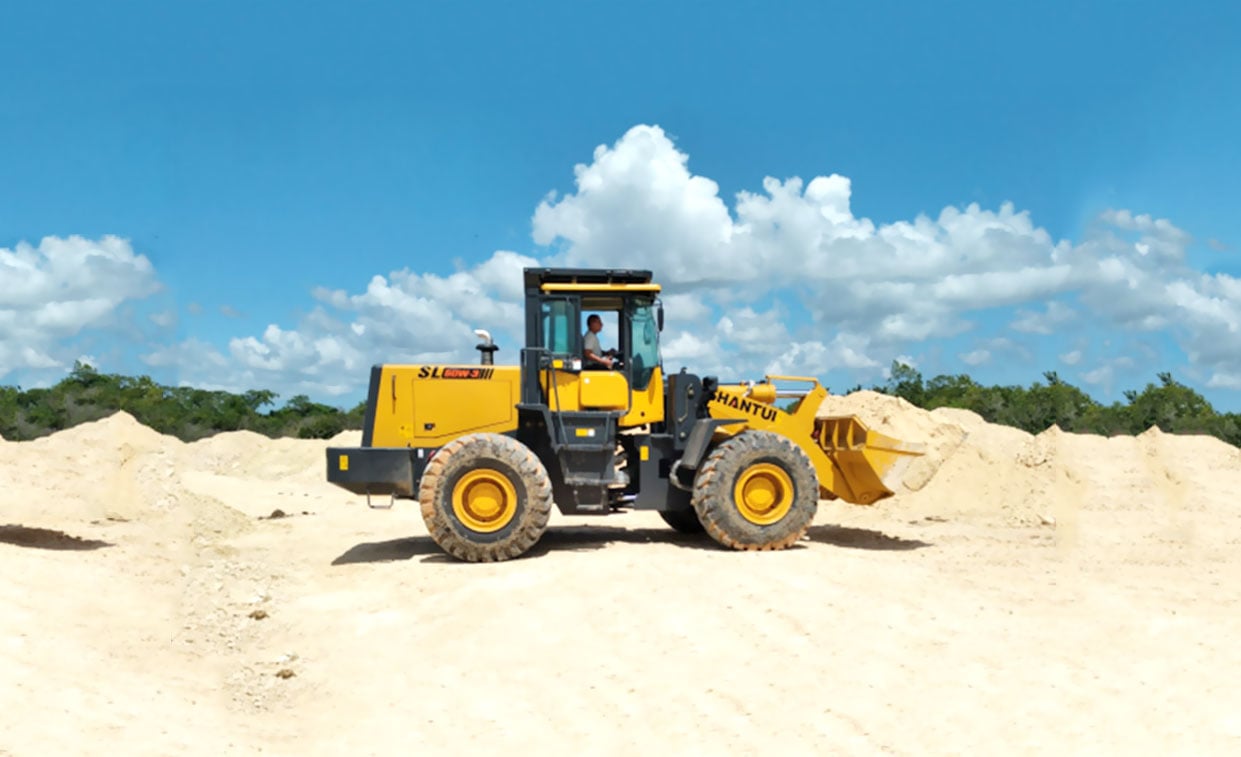
Heavy machinery plays an essential role in Australia’s construction, infrastructure, agriculture, and land development industries. Selecting suitable equipment helps businesses move materials efficiently, prepare sites accurately, and manage demanding workloads. Contractors researching modern machinery can explore Shantui Equipment Australia to learn more about equipment options for different earthmoving and construction applications. Understanding machine capabilities, operating costs, maintenance requirements, and site conditions can help businesses make practical purchasing decisions and improve long-term operational performance.
The Importance of Equipment Selection in Construction
Construction projects involve numerous activities, from clearing land and excavating foundations to transporting materials and finishing surfaces. Each task requires machinery with specific capabilities, and selecting unsuitable equipment can lead to unnecessary delays, additional expenses, and reduced productivity.
Before purchasing heavy machinery, businesses should evaluate project size, expected workload, soil conditions, site accessibility, and the amount of material that needs to be moved. These factors help determine the required operating capacity, engine power, lifting performance, and machine configuration.
For example, a contractor working on a small residential development may prioritise manoeuvrability and transport convenience. A business undertaking major road construction may require heavier equipment capable of operating consistently across large areas.
Matching equipment to actual working conditions helps create a more efficient workflow and supports better resource management.
How Different Machines Support Earthmoving Operations
1. Excavators for Precision and Versatility
Excavators are used across a wide range of projects, including trench excavation, foundation digging, drainage installation, demolition preparation, and general site development.
Their articulated booms, digging arms, and interchangeable attachments allow operators to perform several tasks with the same machine when compatible equipment is available.
When comparing excavators, consider digging depth, reach, bucket capacity, hydraulic flow, operating weight, and transport requirements. Contractors should also evaluate whether the machine can access confined work areas without compromising safe operation.
The right excavator can help minimise unnecessary repositioning and improve material removal efficiency. However, performance depends on choosing an appropriate machine size and attachment for the intended application.
2. Wheel Loaders for Moving Bulk Materials
Wheel loaders are designed to collect, lift, and transport loose materials over relatively short distances. They are commonly used in construction yards, quarries, agricultural operations, and material handling facilities.
Their effectiveness depends on several factors, including bucket size, material density, travel distance, ground conditions, and loading cycle time.
A loader working with lightweight soil may have different requirements from one handling dense aggregates. Therefore, businesses should assess the intended material and confirm the machine’s rated operating capacity and stability limitations.
Organising loading areas and transport vehicles effectively can also reduce unnecessary travel and waiting time. A well-planned loading process helps operators complete more work without relying solely on larger machinery.
3. Bulldozers for Ground Preparation
Bulldozers are particularly useful for pushing soil, clearing suitable terrain, spreading fill, and preparing ground for subsequent construction activities.
Machine selection should account for blade type, engine output, operating weight, undercarriage design, and the expected working environment. These specifications influence pushing capability, traction, and the machine’s suitability for different ground conditions.
For example, a project involving extensive bulk earthmoving may require different equipment characteristics from a site focused on spreading and levelling material.
Operators should follow manufacturer guidance and site-specific safety procedures, especially when working on slopes, unstable surfaces, or restricted-access areas.
4. Motor Graders for Accurate Surface Finishing
Motor graders are widely used in road construction, gravel road maintenance, and surface preparation. Their adjustable blades allow operators to shape surfaces, establish gradients, and distribute materials with precision.
When selecting a grader, consider blade dimensions, steering configuration, visibility, control systems, and the accuracy required for the finished surface.
Road projects may also involve coordination with rollers, water trucks, loaders, and other equipment. Efficient scheduling between these machines can help maintain a consistent workflow and reduce avoidable interruptions.
Managing Equipment Costs and Productivity
Purchasing heavy machinery involves more than comparing initial prices. Fuel consumption, routine servicing, replacement components, transportation, insurance, finance charges, and downtime can all influence the overall cost of operating a machine.
Businesses should develop a realistic budget that reflects the expected workload and ownership period. Reviewing the Shantui equipment price list can provide a starting point for exploring available equipment and pricing information. Buyers should confirm current prices, specifications, delivery costs, warranty conditions, and applicable commercial terms directly with the supplier.
One useful approach is to calculate the cost per productive operating hour. This involves estimating ownership expenses and operating costs, then comparing them with the hours the equipment is expected to work effectively.
Productivity should also be measured in relation to the task. A loader might be evaluated by the volume of material handled, while an excavator could be assessed according to excavation output under comparable site conditions.
These measurements help businesses identify whether their machinery is delivering suitable value for its intended purpose.
The Role of Preventive Maintenance
Preventive maintenance is important for maintaining machine performance and reducing the likelihood of unexpected breakdowns. Heavy equipment operates under demanding conditions, where dust, vibration, heavy loads, and changing weather can contribute to component wear.
A practical maintenance routine should include daily walk-around inspections, checking fluid levels, monitoring hydraulic hoses, inspecting tyres or tracks, and looking for visible leaks or damage.
Scheduled servicing should follow the manufacturer’s recommendations for the specific model and operating environment. Maintenance records can help businesses track service intervals, identify recurring issues, and plan future expenses.
Operators should report warning lights, abnormal noises, overheating, or unusual changes in performance promptly. Equipment showing potentially unsafe defects should be assessed before returning to service.
Businesses should also consider the availability of genuine or manufacturer-approved parts and qualified technical support when comparing machinery suppliers.
Improving Fuel Efficiency on Worksites
Fuel is a significant operating expense for many earthmoving businesses. Although consumption varies by machine and working conditions, sensible operating practices can help reduce avoidable waste.
First, select equipment with a suitable capacity for the workload. Consistently using an oversized machine for light tasks may increase operating expenses without improving output.
Second, plan site movements to reduce unnecessary travel, excessive idling, and repeated handling of the same material. Coordinating equipment movements can improve workflow and reduce wasted operating time.
Third, maintain appropriate tyre pressure where applicable, keep cooling systems clean according to manufacturer guidance, and follow scheduled servicing requirements.
Operator training is equally important. Smooth machine movements, suitable engine speeds, and correct use of attachments can contribute to more efficient operations when applied in accordance with the manufacturer’s instructions.
Safety and Workforce Competency
Heavy machinery must be operated with a clear understanding of workplace hazards and equipment limitations. Site managers should assess ground stability, underground services, overhead powerlines, pedestrian routes, and potential interactions between vehicles and workers.
Operators need appropriate training and competency for their assigned duties. They should understand machine controls, visibility restrictions, load limits, emergency procedures, and the correct use of safety systems.
Pre-start inspections, communication protocols, traffic management plans, and clearly defined exclusion zones can help reduce the likelihood of incidents.
Australian businesses should comply with applicable work health and safety legislation and relevant requirements for their state or territory. Safe operating practices protect workers while supporting more consistent project delivery.
Planning for Future Equipment Requirements
Business requirements can change as project sizes, customer expectations, and workloads develop. Machinery that suits a small contracting operation today may not provide sufficient capacity for larger projects in the future.
Before expanding a fleet, assess equipment utilisation, upcoming contracts, maintenance history, transport arrangements, and available capital. Businesses should compare purchasing additional machinery with hiring equipment for temporary increases in demand.
It is also worth considering compatibility between machines, attachments, servicing arrangements, and operator skills. Standardising certain equipment categories may simplify maintenance planning and training, although the right approach depends on the diversity of work undertaken.
A practical equipment strategy balances present operational needs with realistic future demand rather than purchasing machinery based on capacity alone.
Conclusion
Heavy machinery can improve construction and earthmoving productivity when equipment is selected, operated, and maintained appropriately. Excavators, wheel loaders, bulldozers, and motor graders each contribute to different stages of a project, making it important to match machine capabilities with the work required.
By assessing operating costs, implementing preventive maintenance, improving fuel management, and prioritising workplace safety, Australian businesses can make more informed equipment decisions.
Careful planning and regular performance reviews help contractors identify opportunities to improve efficiency, control operating expenses, and build a machinery fleet that supports their long-term business objectives.