


A healthy lawn and beautiful landscape require consistent watering, but every property has different irrigation needs. Factors such as lawn size, soil type, sunlight exposure, plant selection, and drainage influence how water should be distributed. A standard sprinkler setup may not provide adequate coverage for every area, potentially leading to dry patches, water waste, or overwatering.
A professional irrigation company considers these factors when designing a custom sprinkler system. With careful planning and the right equipment, homeowners can maintain healthier lawns, simplify routine maintenance, and use water more efficiently.
1. Evaluating the Property and Landscape
The first step in designing a sprinkler system is assessing the property. An irrigation professional examines the lawn’s size and shape, identifies planting beds, and considers areas that receive different amounts of sunlight.
The assessment also considers slopes, paved surfaces, trees, shrubs, and existing landscape features. These details help determine where sprinkler heads should be placed and which areas may need different watering methods.
For example, an open lawn may benefit from rotating sprinkler heads, while narrow planting beds may require a different arrangement. A property with several distinct landscape areas may need separate irrigation zones to meet varying water requirements.
Evaluating the site before installation helps create a system that suits the property’s layout rather than relying on a one-size-fits-all design.
2. Understanding Soil Type and Water Requirements
Soil conditions affect how quickly water enters the ground and how long moisture remains available to plant roots. Sandy soil generally drains faster, while clay-heavy soil absorbs water more slowly and may be more prone to runoff when watered too quickly.
A professional irrigation company considers these differences when determining sprinkler placement, watering duration, and system settings.
Plant selection also influences irrigation requirements. Grass, flowers, shrubs, and trees may need different amounts of water, depending on their species and growing conditions.
Understanding these needs allows an irrigation professional to recommend suitable watering schedules and system components. The goal is to deliver sufficient moisture without leaving the soil excessively wet or allowing water to run off before it can soak in.
3. Planning Sprinkler Placement and Coverage
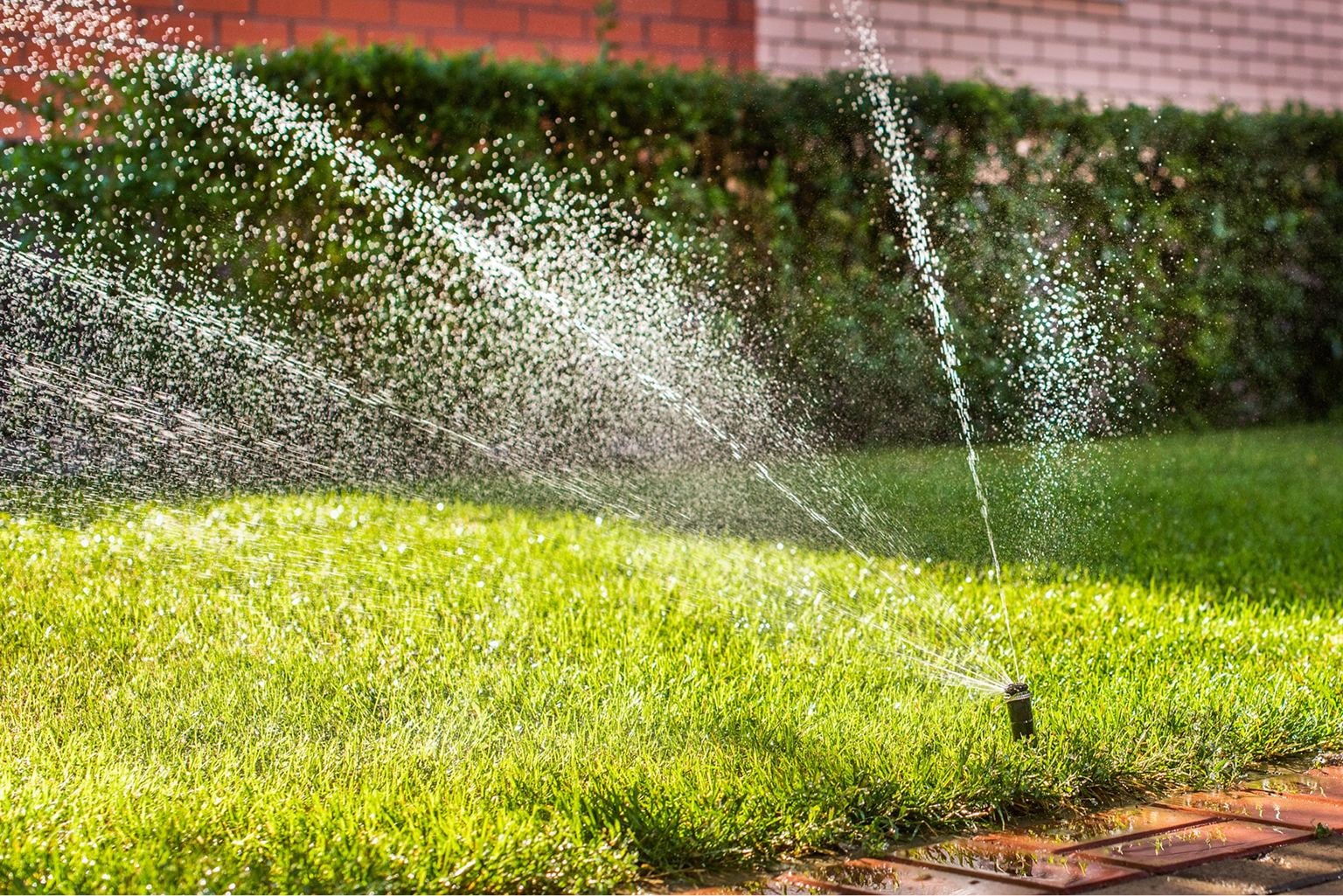
Correct sprinkler placement is essential for distributing water evenly across a lawn. Poorly positioned sprinkler heads can leave dry areas between coverage zones or spray water onto driveways, sidewalks, and other surfaces that do not need watering.
During the design process, an irrigation professional plans the location, spacing, and spray pattern of each sprinkler head. The design should provide appropriate coverage while accounting for obstacles such as buildings, fences, trees, and garden borders.
Sprinkler heads should generally be positioned so that their spray patterns overlap sufficiently to reduce dry spots. The exact arrangement depends on the equipment used and the property’s dimensions.
Careful planning helps create more consistent watering and reduces the need for frequent manual adjustments after installation.
4. Dividing the System Into Irrigation Zones
Not every part of a landscape needs the same amount of water. Areas exposed to full sunlight may dry faster than shaded sections, while flower beds and shrubs may have different requirements from the main lawn.
A custom sprinkler system can be divided into separate irrigation zones. Each zone operates independently, allowing watering schedules and run times to be adjusted according to local conditions.
For example, a sunny front lawn may need a different schedule from a shaded backyard or a group of planting beds. Zoning can also help manage the system according to available water pressure and flow capacity.
This approach provides greater control over irrigation and can help prevent some areas from receiving unnecessary water.
5. Selecting the Right Equipment and Controls
A reliable sprinkler system depends on choosing equipment that suits the property. Components may include sprinkler heads, underground pipes, valves, controllers, and rain sensors.
The irrigation professional evaluates the available water supply and system requirements before selecting components. Appropriate sizing and installation help equipment operate as intended.
Automatic controllers make it easier to set watering times and schedules. Depending on the system, rain sensors or smart controllers may help prevent watering during or after rainfall when irrigation is unnecessary.
These features can improve convenience and water management, although their effectiveness depends on proper configuration and regular maintenance.
6. Installing and Testing the System
Once the design is finalized, installation involves positioning sprinkler heads, laying pipes, connecting valves, and setting up the controller. Careful installation helps reduce leaks, uneven pressure, and other performance issues.
After installation, the system should be tested to check coverage, spray direction, pressure, and controller operation. Adjustments can then be made to correct dry spots, overspray, or other problems.
Homeowners should also understand how to operate the controller and recognize signs that maintenance may be needed. Periodic inspections help keep the system functioning properly as the landscape grows and conditions change.
Conclusion
Designing a custom sprinkler system requires more than placing sprinkler heads around a lawn. Property assessment, soil conditions, plant requirements, sprinkler coverage, irrigation zoning, and suitable equipment all contribute to effective watering.
A professionally planned system can help homeowners maintain healthier grass and plants while improving convenience and reducing unnecessary water use.
For residential and commercial properties in the St. Louis area, Hydro Dynamics Corp.’s irrigation services offer an option for exploring custom irrigation design and installation. With a system tailored to the property, homeowners can support their landscape’s needs throughout the growing season.