





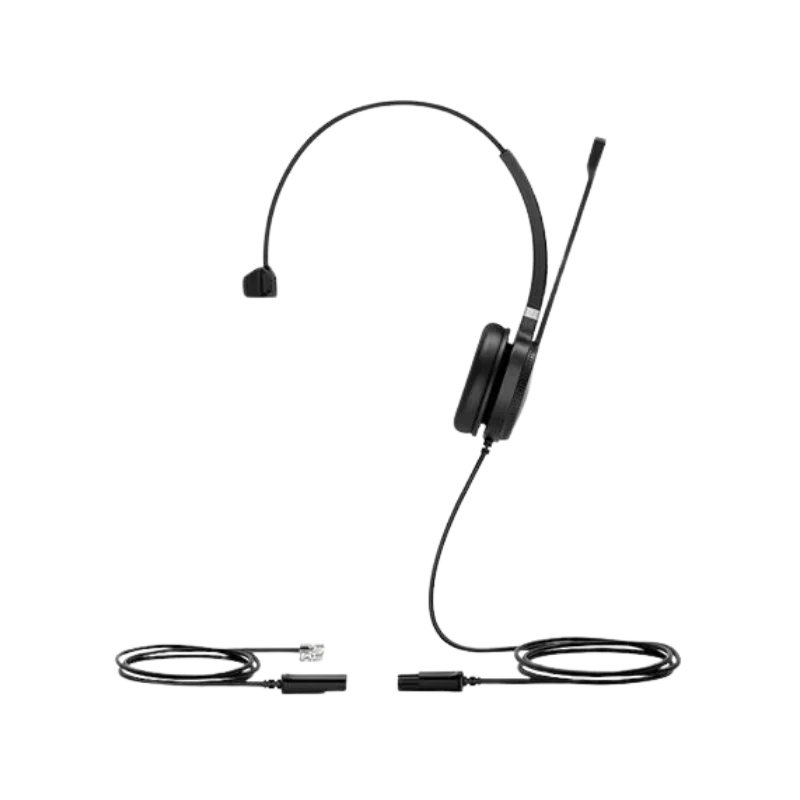
Modern businesses depend on fast and reliable communication across computers, mobile devices, desk phones, and online meeting platforms. Employees may need to attend virtual meetings, answer customer calls, collaborate with colleagues, or communicate with clients throughout the working day. In these situations, a suitable headset can make communication more convenient while allowing users to keep their hands free.
Bluetooth technology has become a common option for professional communication because it allows compatible devices to connect without a traditional audio cable. This can give users greater freedom to move around while staying connected to their computer or mobile device. Different models also offer features such as noise management, multiple-device connectivity, comfortable wearing designs, and microphones designed for voice communication.
What Are Bluetooth Headsets?
Bluetooth headsets are audio devices that use Bluetooth wireless technology to connect with compatible computers, smartphones, tablets, and other devices. Instead of relying on a physical audio cable, the headset communicates wirelessly with the connected device.
This type of connection can be useful for people who regularly switch between different work environments. A professional may use a headset with a laptop during an online meeting and then connect it with a smartphone for a business call.
The exact features available depend on the model. Some headsets are designed for simple mobile communication, while professional models may include advanced microphones, longer battery life, multiple-device connectivity, and features intended for office environments.
Why Bluetooth Connectivity Is Useful for Businesses
A major advantage of Bluetooth communication is flexibility. Employees do not necessarily have to remain directly beside their computer while using a compatible headset.
For example, an employee may move around an office during a call, step away from a desk to collect information, or change locations while remaining connected. This can be particularly useful for professionals who have active workdays rather than spending all their time at a fixed workstation.
Bluetooth connectivity can also reduce cable clutter around desks. A wireless headset can provide a cleaner workspace while giving users more freedom when handling calls and meetings.
Bluetooth Headsets for Office Communication
Office employees often communicate through a combination of phone calls, video meetings, messaging platforms, and collaboration software. A headset that works with commonly used devices can simplify these communication tasks.
A professional headset should provide clear audio for the user and a microphone that allows other participants to hear the speaker. Comfort is also important because employees may wear the headset for several hours.
The appropriate model depends on the user’s role. An employee who makes occasional calls may have different requirements from someone working in customer service or participating in multiple meetings every day.
Bluetooth Headsets for Remote Work
Remote work has increased the importance of flexible communication equipment. Employees working from home may use laptops, smartphones, and tablets for different types of communication.
Bluetooth connectivity can make it easier to move between these devices. A user may attend a meeting through a computer and later use the same headset with a smartphone.
For remote workers, microphone performance is particularly important because home environments can contain background sounds such as household activity, traffic, fans, or other people. A headset with suitable noise-management features can help improve voice communication in these situations.
Multi-Device Connectivity
Many professionals use more than one device during their working day. A computer may be used for meetings and business applications, while a smartphone handles mobile calls and messages.
Some Bluetooth headsets are designed to support connections with multiple devices. This can make switching between different communication sources more convenient.
However, multi-device functionality varies between models. Users should check the specific connectivity capabilities before selecting a headset, especially if they regularly need to use both a computer and mobile device.
Microphone Quality Matters
A headset’s microphone is just as important as its speakers when the main purpose is business communication.
A good microphone should capture the speaker’s voice clearly while minimizing unnecessary background sounds where possible. This can make conversations easier to follow during meetings, customer calls, interviews, and online presentations.
Different headset models use different microphone technologies and designs. Some are built around boom microphones, while others use integrated microphone systems.
Businesses should consider the environment where the headset will be used. A quiet private office may require less background-noise management than a busy shared workspace.
Audio Quality for Meetings and Calls
Clear audio can make business communication easier to understand. Poor audio quality may result in repeated questions, misunderstandings, or interruptions during important conversations.
Bluetooth headsets can provide audio for voice calls, online meetings, presentations, and other communication activities. Some models are also designed to provide improved sound quality for music and multimedia when employees are not on calls.
The ideal audio profile depends on the user’s needs. For business communication, speech clarity is generally more important than features designed primarily for entertainment.
Comfort for Long Working Hours
A headset can be technically capable but still unsuitable if it becomes uncomfortable after extended use.
Employees who spend several hours in meetings or on calls should consider factors such as headset weight, ear cushion design, headband pressure, adjustability, and overall fit.
Some users prefer mono headsets because one ear remains open to the surrounding environment. Others prefer stereo designs that cover both ears and provide a more immersive listening experience.
Comfort is personal, so businesses may benefit from allowing employees to evaluate different headset designs before standardizing equipment.
Battery Life and Charging
Because Bluetooth headsets operate wirelessly, battery performance is another important consideration.
Employees who use a headset throughout the working day may need enough battery capacity to support multiple calls and meetings. Frequent charging can become inconvenient if the headset cannot last through normal usage.
Charging time and charging options should also be considered. Some models can be charged through USB connections, while others may include dedicated charging stands or docks.
The right battery requirements depend on usage. Someone who makes occasional calls may not need the same battery capacity as a customer support employee who spends most of the day communicating.
Noise Management in Busy Environments
Background noise can interfere with business conversations. Offices may contain nearby conversations, printers, keyboards, air conditioning systems, and other sources of sound.
Bluetooth headsets with noise-management features can help create a more focused communication experience. Some technologies are designed to reduce background noise for the person wearing the headset, while microphone-based noise reduction can help make the user’s voice clearer to other participants.
Businesses should consider the environment before choosing a headset. Noise requirements can vary significantly between a private office, open-plan workplace, call center, and home workspace.
Bluetooth Headsets for Customer Service Teams
Customer service representatives often spend a large part of their working day communicating with customers. For these employees, headset comfort and microphone performance can have a direct impact on daily usability.
Wireless connectivity can also provide additional freedom when employees need to move around their workspace. However, businesses should evaluate battery life, durability, device compatibility, and ease of use before selecting equipment for a larger team.
Standardizing compatible headsets across a department can also make equipment management easier.
Compatibility With Business Platforms
Before purchasing a Bluetooth headset, users should check compatibility with their existing devices and communication platforms.
A headset may work with smartphones and computers but have different functionality depending on the operating system or software being used. Businesses using online meeting platforms should also consider whether a particular headset supports their communication setup.
The FindHeadsets category includes Bluetooth models from Yealink, including options such as the BH71 Bluetooth Wireless Headset and BH71 Teams Mono Bluetooth Wireless Headset, along with other Yealink models that combine Bluetooth with additional connectivity options.
Checking compatibility before purchase can help prevent connection problems and ensure that important headset features work as expected.
Choosing the Right Bluetooth Headset
There is no single Bluetooth headset that is ideal for every business user. The best choice depends on the user’s communication habits and work environment.
Important factors to evaluate include:
- Bluetooth connectivity
- Device compatibility
- Microphone performance
- Audio quality
- Battery life
- Charging options
- Comfort
- Wearing style
- Noise-management features
- Multi-device support
- Wireless range
- Durability
- Business software compatibility
A remote employee may prioritize comfort and multi-device connectivity, while a customer service team may place greater importance on microphone performance and battery life.
Maintaining a Bluetooth Headset
Proper maintenance can help extend the useful life of a headset. Users should keep ear cushions and microphone areas clean and store the device in a safe location when it is not being used.
The headset should also be charged according to the manufacturer’s recommendations. Users should avoid exposing electronic equipment to excessive moisture, extreme temperatures, or unnecessary physical impact.
For businesses managing multiple headsets, keeping equipment labeled and stored properly can make maintenance and replacement easier.
Final Thoughts
Bluetooth headsets can provide businesses with a practical way to support modern voice communication. Their wireless headsets design allows users to connect with compatible devices while reducing dependence on traditional audio cables.
Features such as microphone quality, battery life, comfort, noise management, device compatibility, and multi-device connectivity can all influence the overall experience. Different employees may also have different requirements depending on whether they work in an office, from home, in customer service, or across multiple locations.
By considering how employees actually communicate during the working day, businesses can choose Bluetooth headsets that provide a suitable balance of flexibility, comfort, audio performance, and practical connectivity.