






They can also indicate that parts are worn, wiring is faulty, control is malfunctioning, or there might be a recurring door problem. The next time the fault occurs, a fast remediation may not be able to resolve the root cause of the fault. Before determining the next repair action, building managers should examine failure patterns, service records, the condition of equipment, and downtime. This way one will have a more accurate idea of what the elevator is like.
When elevator service history reviews, diagnostic testing, and careful inspections are warranted because of recurring elevator faults. By analyzing past failures and their symptoms, an elevator repair service can detect patterns and potential causes. Techs can check controllers, drives, doors, brakes, wired components and much more. This article gives an explanation of the diagnosis, repair, monitoring and evaluation of repeated breakdowns. It also includes considerations for building maintenance, modernization and practical building owner decisions prior to further services decisions.
What Causes Repeated Elevator Breakdowns?
Worn parts, electrical issues, door issues, inadequate adjustments, or ageing control systems are possible causes of repeated breakdowns. This is dependent on elevator type, age, amount of traffic and maintenance. So, technicians must have information on the equipment and its service records before they make a decision on the repair.
Aging or Worn Elevator Components
The components of elevators are subjected to frequent mechanical and electrical stresses. Wear is a possibility with doors, rollers, bearings, brakes, guide components, drives and controllers. Using a product heavily on a daily basis will add to that stress. If a problem is occurring repeatedly with a worn part, it may not be the correct part to replace. Technicians should check related parts, and if wear is found, they should see if it’s more than one part.
Electrical and Control System Problems
Issues with the electricity can lead to sporadic shutdowns and mysterious problems. Technicians can view wiring, sensors, relays, controllers, drives and fault logs. A control fault may also impact other systems that are linked to each other. So, it’s always a good idea for technicians to check the entire circuit before swapping out a component that they suspect is faulty. It aids in accurate fault information, leading to a shorter fault diagnosis time and less unnecessary change of parts.
Recurring Door and Leveling Issues
Doors can cause several safety- and control-related service callbacks due to their issues. Common symptoms are slow motion, reopening more than one time, and closing with incomplete or strange noises. Levelling problems are likely to keep the car from stopping at level. The area to be checked by technicians includes: Door operators, sensors, locks, related controls, and levelling components. If the symptom comes back, it requires a thorough examination and not just repeated adjustment.
How Does an Elevator Repair Service Diagnose Repeated Breakdowns?
The first step in a professional diagnosis is to learn about the condition and history of the equipment. Technicians compare past failures and symptoms to the current symptoms. Then they look at the system and run a test of potential causes. This process can uncover patterns that the one repair visit might be unable to find. Detailed maintenance records also provide building managers with a clearer picture to help them determine whether they need to repair or perform a more extensive equipment assessment.
Reviewing Breakdown and Service Records
Service records can indicate frequent failure and components that need to be serviced again. Technicians are able to check dates, fault description, replaced parts and downtime. One part failure of the pattern may be indicated by another part of the pattern when it reaches a condition. Digital service systems can also capture trends and maintenance data, providing better historical records of equipment performance.
Inspecting the Elevator System
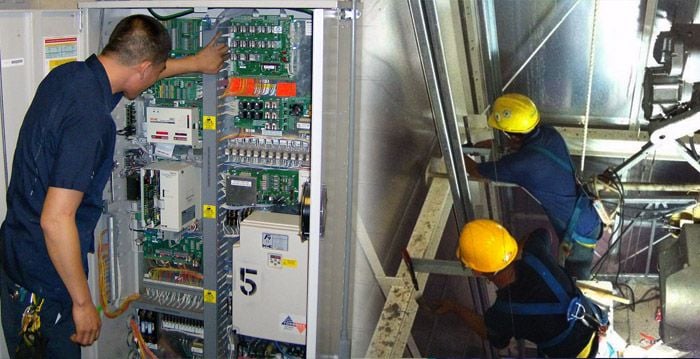
Mechanical, electrical and safety-related items related to the reported fault should be checked by a technician. Inspection can take place on the doors, brakes, ropes, guide parts, machines, drives, controllers, wiring and safety devices. Inspection scope will vary depending on the elevator and symptoms reported. Open defects can also be documented in the condition report, which can also highlight future repair priorities.
Testing the Root Cause
If you’ve had multiple failures, it takes more than just a failure component to be found out. Technicians should find out what went wrong with that part. They may utilise fault logs, electrical testing, operational testing and component inspection. For instance, with the door, it could be the operator, sensors, wiring, alignment or control signals. Root cause testing helps to minimize the risk of doing the same repair all over again when the fault is not fixed.
What Repairs Can Address Repeated Elevator Breakdowns?
The method of repairing depends on the equipment failure and the condition of the related equipment. Some of the mishaps can be fixed with the help of an elevator repair service by either adjustment, repair or replacement of the components. Others are replaced due to the end of the useful condition of the part. The scope of repair should be determined by a professional assessment, and equipment compatibility should be verified.
Component Repair or Replacement
If a component can be repaired and the cause of the fault is known, then the technician can fix the component. Replacement may be more feasible if one part is worn out, has failed often, has been damaged or parts are in short supply. The decision should take into account reliability, compatibility, service history and future service requirements.
Electrical and Control Repairs
Control repairs might include sensors, wires, relays, circuit boards, controllers or drives. Electrical parts should only be changed after technicians make sure they know exactly what’s wrong. They also have to test the repaired component with other elevator components. When the elevator is returned to regular service, it can be tested to ensure that it is in normal operation after the repair operation.
Door, Drive, and Mechanical Repairs
Care needs to be taken with door systems, as they impact the accessibility and safety for occupants. Rough movement, unusual noises, poor stopping or unexpected shutdowns are also caused by drive and mechanical problems. Repair work should be done for a particular failed component and for the related conditions. Diagnostics, repair and major maintenance are typically perceived as distinct phases in the elevator lifecycle service by the manufacturers and service providers.
When Do Repeated Breakdowns Indicate a Larger Elevator Problem?
If the elevator experiences multiple failures, the entire elevator may not need to be replaced. If the faults are happening on a regular basis, however, it may be a sign of more extensive equipment age. Building managers should take a step back and consider the trend over time. When repair frequency increases, downtime increases, obsolete parts seem to be needed, and multiple systems fail, the time and effort spent on a wider technical evaluation may be warranted.
Frequent Repairs to the Same Component
Multiple repairs to a single part should be investigated further. The component could have another related problem, poor adjustment, incorrect replacement parts or a system problem. Practitioners should check on previous work and compare new symptoms to what has been seen in the past. This history can help determine if repairs are able to correct the cause or just bring the system back online for a short time.
Increasing Downtime and Service Calls
Regular maintenance visits may impact building performance and mean more maintenance costs. Managers should monitor the frequency of elevators stopping, the duration of repairs and what causes each repair to occur. As a pattern, a growing one can represent falling equipment reliability. Service records are valuable sources of data for repair planning and making equipment decisions over a longer period of time.
Multiple Systems Developing Faults
Issues with the doors, controls, drives and mechanical parts may represent system ageing. A single fault might require a specific repair. A number of different failures can necessitate a condition assessment of the entire elevator system. A review of equipment age, usage, parts availability, repair history and building requirements should be taken into account.
Can Preventive Maintenance Reduce Repeated Elevator Breakdowns?
Some faults may be prevented by identifying wear and developing problems early; otherwise, the fault may be a recurring one. But it is impossible to prevent all unexpected failures with maintenance. A good program involves routine inspections, tests, adjustments, cleaning, lubrication and recorded results. Fault data can also be used to discover trends as a part of modern maintenance programs.
Routine Inspection and Testing
Scheduled inspections enable the technician to check on important parts of the elevator before a major problem arises. The items that can be covered in a check are doors, brakes, ropes, guide systems, controllers, drives, safety devices and other equipment. The testing should be conducted in consideration of the elevator design, manufacturer’s requirements, and local rules. Defects can be written down, and their progress on service visits can be tracked.
Predictive Monitoring and Fault Detection
Operating data and fault information of elevator equipment can be collected by connected monitoring systems. Other systems monitor door cycles, drive faults, ride, or other operating signals. These trends can be analysed by technicians to discover any strange changes. Predictive monitoring cannot be used to take the place of physical inspection. Rather, it provides an additional source of evidence to use for maintenance and repair decisions.
Tracking Repairs and Recurring Faults
The reoccurrence of problems can be easily spotted due to consistency in records. Managers of buildings should maintain dates, symptoms, fault codes, parts replaced, findings of repair(s), and downtime records. A good history can reveal if a repair successfully resolved the problem or not and if the same problem/issue reoccurred. This information also provides technicians with helpful information prior to the next service call.
When Should an Elevator Be Considered for Modernization?
Sometimes repeated repairs can lead to a need for modernization instead of yet another isolated repair. A comprehensive review of the elevator’s condition, usage, repair history, etc. and the availability of parts is needed to make this decision. Don’t just add on the latest technology because of one failure. When multiple key parts exhibit ageing or multiple failures, it makes more sense.
Outdated Components and Limited Parts Availability
This may make it challenging to obtain and service the older drives, controllers, etc. This can make it more difficult to obtain and service the older drives and controllers, etc. Challenges with limited parts availability can lengthen repair times and cause planning issues. Managers should determine if any machines are obsolete and discuss the options for replacement. A technical evaluation can be used to see if there are existing improvements that can be made to the site or if a more extensive modernization is warranted.
Repair Costs and Frequent Downtime
As repair costs increase, the economics of operating older equipment may change. In addition to downtime, availability of parts, and equipment condition, managers should take a look at repair spending. When a repair costs as much as a modernization, don’t assume modernization is the correct solution. A repeated pattern in multiple large components is more convincing evidence to compare modernization to ongoing repairs.
Age, Usage, and Overall Equipment Condition
Equipment age alone does not determine the right decision. A heavily used elevator may experience more wear than a low-use system of the same age. Managers should consider traffic, operating hours, maintenance quality, component condition, and recurring faults. A complete condition assessment gives a stronger basis for deciding whether to repair, modernize, or replace equipment.
How Should Building Owners Respond to Repeated Elevator Failures?
When repeated problems keep occurring, the building owner should view this as a trend and investigate. They should record every occurrence and refer to past service records and ask for a complete technical diagnosis. A elevator repair service company can offer expert conclusions according to the problem with the equipment and earlier issues. This will provide more evidence for decision-makers in budgeting and planning for the future. It also ensures decisions on repairs are in line with the condition of the equipment.
Document Every Breakdown
Document date, symptoms, error messages, lost floor, downtime and repair done. Record if the problem has occurred previously. The information will help the next diagnosis to go more smoothly. They also help to provide a valuable history of the services that have been provided to the customer and any recurring fault conditions.
Review the Elevator’s Service History
Recurring component repairs, call-backs and increasing downtime can be identified through service history. Managers should look at the results of repairs during multiple visits to see them in totality, not just the most recent failure. This review can indicate if the elevator should be exposed to a more extensive condition assessment or a more specific repair.
Consult a Qualified Elevator Professional
A trained elevator professional can examine the equipment, check the repair logs and determine what may be causing the elevator to fail again. Relevant safety regulations, equipment compatibility and building operations should be taken into account, as well as manufacturer recommendations. The professional findings can also help determine if the elevator’s condition can be repaired, modernized, or replaced
Conclusion
When there are repeated elevator breakdowns, it’s not just about replacing the same parts over and over again. Before deciding on the next course of action, building managers should look at trends in failure, service history, equipment condition, and time off before making a decision. An elevator repair service is able to determine a recurring fault, fix the faulty components, and determine broader issues with the system. Avoidance of maintenance issues and the ability to maintain accurate records can also help in making evidence for future decisions. If multiple major systems are ageing, the owner may consider making the decision to either repair or modernise/replace the systems. These decisions remain on a real equipment condition, operational need and long service basis, thanks to the professional assessment.
FAQs
What is the reason why the elevator is breaking down repeatedly?
Frequent elevator failures may be due to worn components, door faults, electrical problems, control problems, lack of proper adjustment or general equipment deterioration. Service history can provide insights into patterns.
How does an elevator repair service determine why the elevator keeps failing?
Technicians check service records, inspect equipment, and determine likely causes and check fault information. They then pinpoint the cause of the problem and then choose the right repair.
How many times should an elevator need to be repaired before it needs to be modernized?
The decision to consider modernization might be appropriate if multiple major components are old or require frequent repairs, are hard to find, or if downtime is increasing. This should be based on a professional condition assessment.
Is it possible to avoid all elevator failures when in maintenance mode?
No. It is possible to detect many faults in the early stages with preventive maintenance but unexpected faults can still occur. Some reoccurring issues can be minimized with regular inspection, testing and accurate service records.