





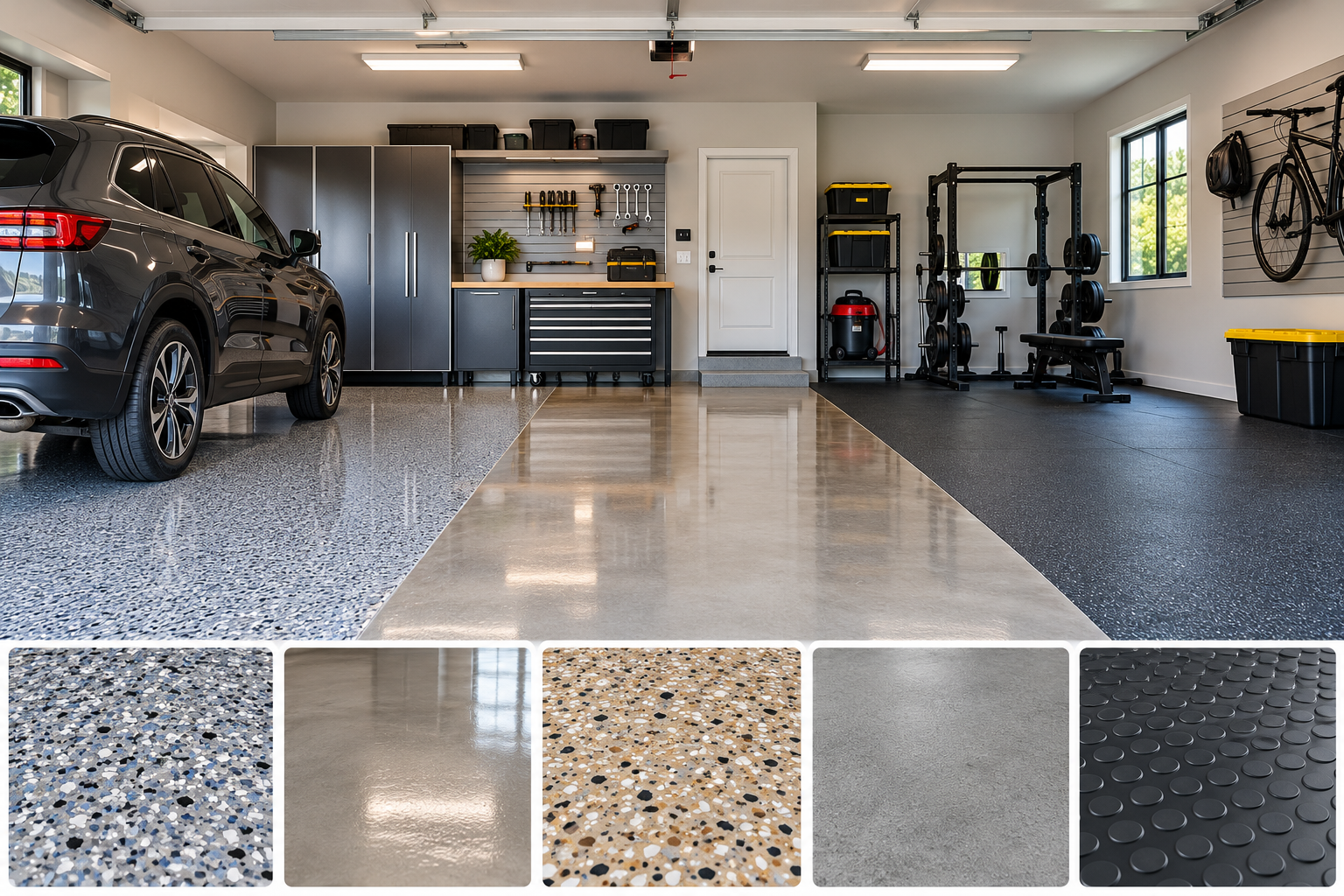
Your garage floor handles more than parked vehicles. It supports storage shelves, bicycles, tools, and the movement of people throughout the day. Over time, bare concrete can become dusty, stained, or harder to maintain. An epoxy flooring system can improve the surface, but choosing the right one involves more than selecting an attractive color. For homeowners in Woodland Park, New Jersey, garage flooring also needs to suit seasonal conditions. Vehicles can bring rainwater, winter slush, grit, and road salt indoors. Meanwhile, workshops and storage areas create their own demands. The right epoxy solution should match your concrete condition, garage activities, design preferences, and maintenance expectations. Here is how to make an informed choice.
Understand What Your Garage Floor Needs to Handle
Before comparing epoxy finishes, think about how you use the space. This helps you identify the qualities that matter most.
Garages Used Mainly for Parking
If your garage primarily holds vehicles, ask about resistance to tire traffic, automotive fluids, abrasion, and hot-tire exposure. These qualities depend on the complete coating system and its installation. Also consider how easily you can clean the floor around parked vehicles. A suitable finish should make routine dirt and spill removal manageable.
Garages With Workshop Areas
If you repair vehicles, work with tools, or complete DIY projects, tell your installer about those activities. Dropped equipment, rolling tool cabinets, and chemical exposure can influence the recommended system. Be specific about the substances you use. A coating that tolerates occasional oil spills may not offer the same resistance to solvents or other workshop chemicals.
Garages Used for Storage or Exercise
Storage shelves and heavy equipment can place pressure on small areas. Discuss protective pads and the recommended waiting period before moving these items onto the finished floor. For an exercise area, compatible mats can add cushioning over a hard epoxy surface. However, confirm that their backing will not stain or affect the coating.
Assess the Concrete Before Choosing an Epoxy System
Epoxy flooring bonds to the concrete beneath it. Therefore, the condition of your slab plays an important role in choosing and installing a suitable system.
Look for:
- Cracks or damaged edges.
- Loose or flaking concrete.
- Oil stains and other contamination.
- Existing paint, sealers, or old coatings.
- Damp areas or recurring water accumulation.
These issues do not always prevent installation, but they can change the preparation and repair work required. For example, an old painted surface may need removal before a new system can bond properly. Similarly, moisture concerns need assessment rather than simply being covered. Ask how the installer will test the slab and prepare its surface. Also discuss which cracks can be repaired and which joints must remain functional to accommodate movement. If water regularly enters beneath your garage door, investigate the drainage or entry problem first. An epoxy coating does not correct the source of water intrusion.
Compare Complete Systems, Not Just the Word “Epoxy”
Two floors described as epoxy can differ considerably. The products, preparation method, coating thickness, decorative components, and topcoat all affect the result. When exploring garage epoxy floor coating options, ask for a clear explanation of each proposed layer and its purpose.
Depending on the selected products and concrete condition, a system may include:
- A primer to support adhesion.
- An epoxy base coat.
- Decorative flakes or quartz aggregate.
- A compatible protective topcoat.
Not every installation uses the same sequence or number of layers. The proposal should explain the system suitable for your garage instead of relying on a general label. An epoxy system may also use a different resin chemistry for its topcoat. For example, a compatible polyaspartic topcoat may form part of the specified installation. That does not make polyaspartic and epoxy the same material; it means the floor combines compatible products for different purposes.
Choose a Finish That Fits Your Daily Routine
Decorative finishes influence both appearance and how the completed surface functions. Compare samples alongside your practical requirements.
Flake Epoxy Finishes
Flake finishes introduce colored chips into the coating system, creating a varied appearance. They can suit homeowners who prefer a patterned floor over a uniform color. However, flakes alone do not establish slip resistance. The amount of broadcast material, protective topcoat, and final texture all matter. Ask to see a sample of the completed finish rather than loose flakes alone.
Solid-Color Epoxy Finishes
Solid-color finishes create a consistent appearance that can work well with garage cabinets, painted walls, and organized storage areas. Think about what you want to see on the floor. A plain surface may make small objects or spills easier to notice, while certain colors can show dust or tire residue more clearly. View samples under your garage lighting before deciding.
Quartz Epoxy Finishes
Quartz systems incorporate aggregate into the specified resin system. They may be worth discussing when you want a textured finish suited to a busy garage or work area. Compare the finished texture and cleaning requirements. A rougher surface can require a different cleaning approach from a smoother one.
Metallic Epoxy Finishes
Metallic finishes create decorative patterns and visual depth. They can appeal to homeowners who use part of the garage to display vehicles or create a distinctive interior. Still, appearance should come after suitability. Ask about abrasion resistance, traction treatment, topcoat options, and how everyday wear may show on the chosen finish.
Consider Wet Conditions and Sunlight Exposure
In Woodland Park, a garage floor may become wet when vehicles bring rain or melting snow indoors. Consider the walking route between your vehicle and the house, particularly near the garage entrance. Discuss a suitable traction additive or surface texture with the installer. No finish removes the need to clean spills and standing water promptly. Sunlight exposure also deserves attention. If you frequently leave the garage door open, the area near the entrance may receive direct sunlight. Ask whether the proposed epoxy system and topcoat suit that exposure. Avoid assuming that every epoxy product offers the same resistance to color change.
Make Surface Preparation a Priority
A decorative finish cannot make up for poor preparation. The concrete needs a surface condition and profile suitable for the selected products.
Ask the installer to explain:
- How existing coatings and contamination will be removed.
- Which preparation method will be used.
- How cracks and damaged areas will be treated.
- Whether moisture-related work is necessary.
- How dust and preparation debris will be managed.
Mechanical grinding may form part of the preparation process, but the method should follow the system’s requirements and the slab’s condition. A detailed explanation gives you a better basis for comparing installers than appearance alone.
Compare Quotes Based on the Work Included
The lowest quote may cover a different scope from a higher one. Before deciding, compare what each contractor includes. A useful written proposal should identify the preparation work, repair allowances, product names, decorative finish, topcoat, and included surfaces. Also check whether the price covers steps, vertical edges, or removal of an existing coating. Ask how unexpected slab damage would affect the project. Warranty terms need similar attention. Understand what is covered, what maintenance is required, and whether moisture, structural movement, or misuse falls outside the coverage. This approach helps you compare equivalent work rather than choosing solely by the total price.
Plan Installation and Curing Around Your Household
Before installation, arrange alternative parking and somewhere to store garage belongings. If the garage provides your main entrance to the house, plan another access route. For an unheated New Jersey garage, discuss how slab temperature and humidity affect the installation schedule. The selected products must suit the actual conditions. Also separate installation completion from return to use. Walking on the floor, replacing shelving, and parking vehicles may require different waiting periods. Follow the written instructions for the specific system. Do not assume the surface is ready for vehicle traffic simply because it feels dry.
Think About Maintenance Before Making Your Choice
Choose a finish you can maintain consistently. Ask which cleaners, tools, and methods the installer recommends. A practical routine generally involves removing grit, cleaning spills promptly, and checking areas near the garage entrance. During wet weather, clear tracked-in debris and standing water. If you plan to update other concrete areas at home, reviewing residential epoxy flooring can help you coordinate the design. However, assess each room separately. A basement, utility room, and garage can have different moisture, comfort, and exposure requirements.
Choose Epoxy Flooring Around Your Garage’s Real Needs
The right epoxy flooring solution combines suitable products, proper preparation, a practical finish, and clear maintenance instructions. For Woodland Park homeowners, start with a concrete assessment and an honest discussion about how the garage is used. Then compare complete systems, finished samples, and written proposals. A carefully planned choice can give you a garage floor that looks coordinated, supports everyday activities, and remains manageable to clean.