




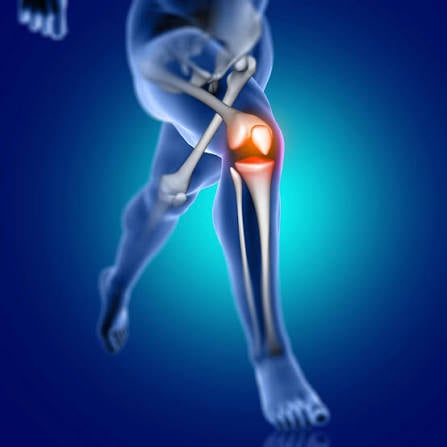
A fracture can happen unexpectedly, whether due to a road accident, a fall at home, a sports injury, or a sudden impact during everyday activities. Besides the immediate pain, a broken bone can affect mobility, independence, work, and routine responsibilities. Getting the right medical attention early is essential for proper healing and reducing the risk of complications.
For people seeking an orthopedic doctor in Ambikapur, understanding the available treatment options and knowing when to seek urgent care can make the recovery process less stressful. Orthopedic specialists diagnose and treat injuries involving bones, joints, ligaments, tendons, and muscles. Their role includes assessing the fracture, deciding whether surgery is necessary, and guiding patients through rehabilitation.
Dr. Tanay Goyal is a relevant name for patients exploring orthopedic care and fracture treatment. However, the appropriate treatment for any injury depends on its location, severity, the patient’s overall health, and the results of a clinical examination.
What Is a Fracture and Why Does It Need Medical Attention?
A fracture is a break or crack in a bone. It may be a small crack caused by repeated stress or a complete break resulting from a sudden injury. Some fractures are obvious, while others cause symptoms that can be mistaken for a sprain or muscle injury.
Even if a person can move the injured limb, a fracture cannot be ruled out without proper assessment. Delaying treatment may allow the bone to heal incorrectly or increase the risk of other complications.
Common causes of fractures include:
-
Road traffic accidents and high-impact injuries
-
Slips, trips, and falls at home or outdoors
-
Sports injuries and accidental collisions
-
Falls from a height
-
Osteoporosis, which weakens bones and makes them more vulnerable to breaking
-
Repetitive stress on bones during physical activity
The severity of a fracture varies. A minor, stable fracture may heal with immobilization, while a complicated injury may require surgery to restore the bone’s position and stability.
When Should You Consult an Orthopedic Doctor in Ambikapur?
An orthopedic consultation is important whenever a fracture is suspected. An orthopedic doctor evaluates the injury, identifies the type of bone damage, and recommends a treatment plan based on the patient’s condition.
Common Signs of a Fracture
Symptoms may vary depending on the bone involved and the force of the injury. Warning signs include:
-
Sudden pain following a fall, collision, or impact
-
Swelling or bruising around the injured area
-
Difficulty standing, walking, or putting weight on a limb
-
Limited movement of an arm, leg, wrist, or joint
-
Visible deformity or an unusual angle in the injured limb
-
Tenderness when the affected area is touched
Not every fracture causes visible deformity. Some patients experience only persistent pain and swelling, particularly with small cracks or stress fractures.
When Is Emergency Care Necessary?
Seek immediate medical attention if a bone appears deformed, a wound exposes bone, bleeding is severe, or the injured limb becomes numb, cold, pale, or blue. These symptoms can indicate serious damage to blood vessels, nerves, or surrounding tissues.
Do not attempt to straighten the injured limb or push exposed bone back into place. Keep the area as still as possible while arranging emergency care.
Types of Fractures That Require Different Treatment Approaches
Understanding the type of fracture helps explain why treatment differs from one patient to another. An orthopedic specialist considers the location, alignment, stability, and extent of the break before recommending care.
Closed and Open Fractures
A closed fracture occurs when the bone breaks without breaking through the skin. An open fracture involves a wound that communicates with the broken bone, creating a greater risk of infection.
Open fractures require urgent hospital treatment, including wound management, antibiotics when indicated, and assessment of whether surgery is needed.
Displaced and Non-Displaced Fractures
In a non-displaced fracture, the broken bone remains relatively aligned. A displaced fracture occurs when the bone fragments move out of their normal position.
Some non-displaced fractures can be treated with a cast, splint, or brace. Displaced fractures may require a procedure to realign the bone, and some need surgical fixation.
Simple, Comminuted, and Stress Fractures
A simple fracture may involve a single break, while a comminuted fracture means the bone has broken into multiple pieces. Stress fractures develop when repeated loading places more strain on a bone than it can tolerate.
Each type requires a different assessment. The doctor may consider the patient’s activity level, bone health, and the likelihood of the fracture remaining stable during healing.
How Is a Fracture Diagnosed?
Accurate diagnosis is the first step toward appropriate treatment. An orthopedic doctor usually reviews how the injury occurred, examines the affected area, and checks circulation, sensation, and movement where appropriate.
Imaging Tests Used for Fractures
X-rays are commonly used to identify fractures and assess bone alignment. Depending on the injury, additional tests may be required.
-
CT scan: Provides detailed images of complex fractures, especially those involving joints.
-
MRI: May help identify certain stress fractures, bone injuries, or associated soft-tissue damage that is not clearly visible on an X-ray.
-
Other investigations: Blood tests or bone-health assessments may be recommended in selected cases.
The choice of imaging depends on the suspected injury and clinical findings. Not every patient requires every test.
Fracture Treatment Options: From Immobilization to Surgery
Fracture treatment aims to restore bone alignment, provide stability, reduce pain, and support safe recovery. The best approach depends on the fracture pattern, the bones involved, the patient’s age, and other medical conditions.
1. Splints, Casts, and Braces
Many stable fractures can heal without surgery. A splint, cast, or brace helps keep the injured bone in the correct position while the body repairs it.
Patients may need follow-up appointments and repeat X-rays to check whether the bone remains properly aligned. A cast should not be adjusted or removed without medical guidance.
2. Closed Reduction
When a broken bone has shifted out of position, a doctor may perform a procedure called closed reduction. The bone fragments are repositioned without making a surgical incision, usually with appropriate pain relief or anesthesia.
After reduction, the area is generally immobilized, and imaging is used to assess alignment.
3. Surgical Fracture Treatment
Some fractures cannot be managed effectively with a cast alone. Surgery may be recommended when the bone is significantly displaced, the fracture is unstable, a joint surface is affected, or the injury involves an open wound.
Depending on the fracture, surgical options may include:
-
Internal fixation: Plates, screws, rods, or pins hold the bone fragments together.
-
External fixation: A frame outside the body stabilizes the bone through pins or wires attached to it.
-
Other fracture procedures: The surgeon selects an approach according to the bone involved and the nature of the injury.
Surgery is not automatically better than non-surgical treatment. The decision should be based on the expected benefits, potential risks, and the patient’s individual circumstances.
What Affects Fracture Healing and Recovery?
Fracture healing takes time, and recovery varies considerably between patients. Some uncomplicated fractures heal within several weeks, while complex injuries can take several months or longer.
Several factors influence the healing process:
-
Fracture severity: Multiple fragments, displacement, and damage to surrounding tissues may complicate recovery.
-
Age and bone health: Older adults and people with osteoporosis may need additional monitoring.
-
Nutrition: Adequate protein, calcium, vitamin D, and overall balanced nutrition support normal bone health.
-
Smoking: Smoking can interfere with bone healing.
-
Medical conditions: Diabetes and certain other conditions may affect recovery.
-
Following medical advice: Keeping the fracture protected and attending follow-up visits help identify problems early.
Patients should avoid putting weight on an injured limb until their treating clinician confirms that it is safe. Returning to work, driving, exercise, or sports too early may put the healing bone at risk.
The Role of Physiotherapy After a Fracture
Fracture treatment does not end when the bone begins to heal. Immobilization can lead to muscle weakness, joint stiffness, and reduced flexibility. Physiotherapy may help patients gradually regain movement, strength, balance, and confidence.
A rehabilitation plan may include:
-
Gentle movement exercises when permitted
-
Gradual strengthening of weakened muscles
-
Balance and walking training when appropriate
-
Exercises to improve joint flexibility
-
A structured return to daily activities and sports
The timing of physiotherapy depends on the fracture and the treatment received. Some exercises may begin while the bone is still healing, whereas others must wait until the doctor confirms sufficient stability.
Patients should not start strenuous exercises or force movement through significant pain without professional guidance.
Choosing the Right Orthopedic Doctor in Ambikapur
Selecting a doctor for fracture care involves more than finding the nearest clinic. Patients should look for appropriate clinical expertise, clear communication, access to necessary investigations, and a practical follow-up plan.
Consider the following factors when evaluating orthopedic care:
-
Relevant experience: Ask whether the doctor manages the particular type of fracture or injury.
-
Diagnostic facilities: Check whether appropriate imaging is available or can be arranged.
-
Treatment explanations: The doctor should explain the fracture, available options, expected recovery, and potential risks.
-
Follow-up arrangements: Fractures often need repeat examinations and imaging to monitor healing.
-
Rehabilitation guidance: Understand when movement, weight-bearing, and physiotherapy can safely begin.
-
Emergency support: For serious injuries, access to emergency assessment and surgical facilities may be important.
Patients considering Dr. Tanay Goyal for orthopedic care can use these points when discussing their injury and evaluating the treatment pathway. Confirm the doctor’s current practice location, available services, and suitability for the specific fracture before arranging a consultation.
Frequently Asked Questions
1. Which doctor should I consult for a suspected fracture in Ambikapur?
An orthopedic doctor is the appropriate specialist for assessing suspected fractures and other bone injuries. If the injury involves severe pain, an open wound, deformity, or changes in circulation or sensation, seek emergency medical care immediately.
2. Can a fracture heal without surgery?
Yes. Many stable fractures heal with a cast, splint, or brace. Surgery may be needed when the bone is displaced, the fracture is unstable, or the injury has other complications.
3. How long does a broken bone take to heal?
Healing time depends on the bone involved, the severity of the fracture, age, and general health. Many uncomplicated fractures heal over several weeks, but complex fractures may take months. Follow-up examinations help determine when normal activities can resume.
4. Is an X-ray always necessary to diagnose a fracture?
X-rays are the usual first imaging test for many suspected fractures. However, some injuries may require additional imaging, such as a CT scan or MRI, if the initial X-ray does not fully explain the symptoms or the injury is complex.
5. What should I do immediately after a suspected fracture?
Keep the injured area still, avoid putting weight on it, and seek medical assessment. Do not attempt to straighten the bone or manipulate the injury. If there is an open wound, severe bleeding, numbness, or a cold or discoloured limb, seek emergency care.
Conclusion
Fractures require timely assessment, an appropriate treatment plan, and careful follow-up to support proper bone healing. From casts and splints to surgical fixation and physiotherapy, the right approach depends on the type of injury and the patient’s individual needs. People seeking an orthopedic doctor in Ambikapur should prioritize clinical expertise, clear communication, and access to suitable diagnostic and rehabilitation services.
Dr. Tanay Goyal is a name patients can consider when exploring orthopedic care. A consultation with a qualified orthopedic specialist can help clarify the nature of the injury, explain available treatment options, and establish a recovery plan suited to the patient’s condition.