







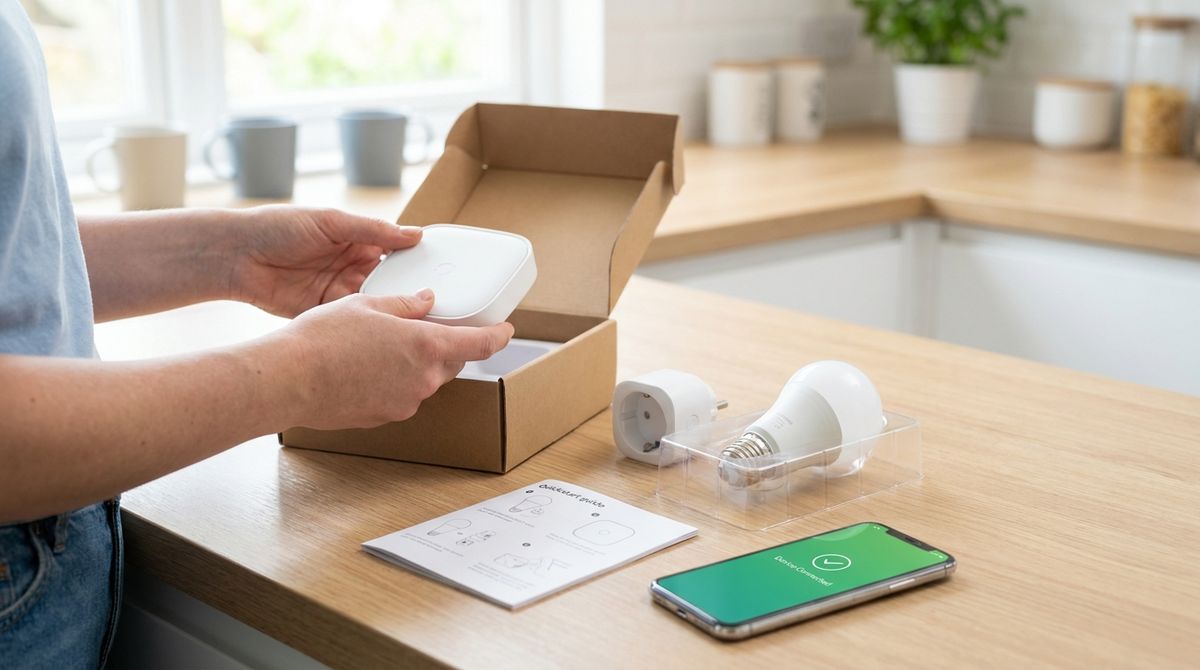
Technology has become an integral part of modern living, seamlessly integrating into the routines and spaces that define our daily lives. From climate control systems to lighting solutions and entertainment setups, the modern home relies heavily on a complex web of connected devices. While these tools offer undeniable convenience, they also require a thoughtful approach to maintenance and security to ensure they continue to function reliably over the long term. Establishing a strategy for managing these systems is essential for anyone looking to enjoy the benefits of connected technology without unnecessary disruptions.
Understanding Your Home Network Vulnerabilities
The foundation of any smart home is the network that connects all devices. Recognizing that this network is a gateway to the outside world is the first step in creating a secure environment. Most smart devices operate by communicating with servers, and managing this traffic is crucial. Many users overlook the importance of securing their main router, which acts as the central hub for all communications. Regularly reviewing how devices interact with the internet and understanding the basics of network security can prevent many common issues before they arise.
Securing a network does not require deep technical knowledge. Instead, it involves consistent application of basic security principles, such as utilizing strong, unique passwords for every access point and ensuring that administrative interfaces are not publicly accessible. By viewing the home network as a sensitive environment, users can proactively mitigate risks associated with unauthorized access and ensure that their smart home infrastructure remains stable and private.
Establishing Routine Device Maintenance
Just like any other household asset, smart technology requires regular attention to remain in top condition. Physical maintenance often involves ensuring that devices are placed in environments where they are protected from extreme temperatures, excessive humidity, or physical damage. Software maintenance is equally important, as it ensures devices can continue to communicate effectively with updated network protocols. Periodically checking the manufacturer’s documentation is a wise practice, as it often provides specific guidance on device longevity and performance optimization. For those looking for broader insights into various technologies or specific hardware guides, referring to site-reference.com can provide valuable context on keeping different systems updated and functional.
Routine maintenance should also include reviewing the list of connected devices to ensure only necessary equipment is active. Over time, unused devices can linger on a network, consuming bandwidth and potentially creating unnecessary points of vulnerability. By periodically auditing the active equipment, homeowners can maintain a cleaner, more predictable network environment that supports the devices they actually rely on daily.
Managing Connectivity and Firmware
Firmware updates are essential for the health of smart devices, as they often contain improvements that address performance issues or improve security. Many modern devices handle these updates automatically, but it is still good practice to periodically verify that critical components are running the latest versions. If a device seems to be struggling with connectivity, a manual check for updates or a simple restart can often resolve the issue without further intervention.
Beyond individual device settings, consider how traffic flows through the home. Using features like network segmentation, if available, can separate essential infrastructure devices from entertainment equipment. This separation helps ensure that if one device encounters an issue, it is less likely to impact the entire home. Taking a deliberate approach to how devices connect to the network ensures that the overall system remains resilient and performs consistently.
Strategies for Long-Term Network Stability
Achieving a stable smart home environment requires a focus on both physical placement and ongoing monitoring. Router placement is arguably the most significant factor in network performance. Centrally locating the router and ensuring it has adequate airflow can prevent overheating and ensure signal strength is distributed evenly throughout the space. Avoiding placement near large metal objects or other electronic equipment that might cause interference is also a simple yet effective way to improve stability.
Staying informed about broader trends in technology can also help users anticipate potential changes or security developments. Keeping an eye on general news sources, such as foxnewsco.com, allows users to understand current discussions about digital safety and information management, providing broader context for their own home setup. By staying informed, homeowners can adjust their practices in response to evolving best practices, ensuring their home remains well-protected and efficient.
Balancing Smart Features with Security
The goal of any smart home setup should be to enhance daily life rather than complicate it. This requires finding a balance between the convenience of connected features and the responsibility of maintaining them. A key aspect of this is developing a mindful approach to how and why technology is used. As discussed in our previous guide on cultivating mindful tech habits, being intentional about the technology in your life reduces clutter and ensures that your digital tools serve you, rather than the other way around. Applying this same mindfulness to the security and management of your smart home will lead to a more sustainable and less stressful experience.
Ultimately, a successful smart home setup is one that you understand and trust. It does not need to be the most complex or advanced system available; rather, it should be a system that works reliably and aligns with your needs. By following a consistent routine, staying informed, and prioritizing stability, you can create a connected environment that brings lasting value to your home for years to come.