







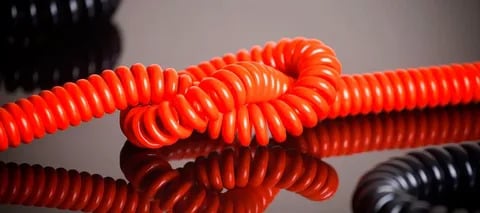
Spiral cables function as flexible space-saving solutions designed specifically for moving equipment. Heavy industries rely directly on them to maintain consistent electrical connections while simultaneously reducing severe cable clutter and physical wear. Selecting the correct spiral cable types based on specific operating conditions and daily applications is absolutely necessary for long-term function. A proper understanding of these components helps operators prevent premature failure in demanding mechanical setups. Finding the right industrial cable solutions directly impacts daily operational efficiency levels.
What Are Spiral Cables?
Engineers define these components as cords permanently pre-formed into a spring-like shape. Many technicians refer to them as coiled cables due to this very distinct helical structure. The physical construction involves winding the raw wire around a heated mandrel to firmly retain the shape memory. This specific structural design allows the retractable cable to stretch out under mechanical tension and return to its original compact form. They offer distinct physical benefits over standard straight cords, which often drag or tangle heavily during rapid movement. Facility managers prefer these coiled versions for moving machinery because they automatically manage their own length during operation.
Industrial Applications of Spiral Cables
Facilities utilize industrial spiral cables across numerous mechanical sectors to solve complex wire routing problems. The sections below outline where they operate most frequently in modern manufacturing facilities.
Manufacturing Plants
Assembly lines and automated machines require flexible movement constantly. These specific cords connect moving mechanical parts without getting trapped. This setup drastically prevents early physical damage during daily continuous operations.
Robotics
Robotic arms execute continuous movement in multiple physical directions. Engineers install these flexible cords to handle the extreme physical twisting required. They prevent restrictions in the basic mechanical reach limits.
Medical Equipment
Diagnostic equipment and mobile hospital devices need flexible cable routing to function properly in tight patient rooms. The coiled design keeps the floor completely clear of tripping hazards during emergencies.
Material Handling Systems
Heavy forklifts and large cranes rely on secure connections to lift materials safely. Overhead hoists and lifting equipment use these cords to supply continuous power while the mast extends vertically.
Automotive Industry
Testing equipment on fast-paced production lines requires cords that stretch repeatedly. Inspection stations utilize a flexible spiral cable to allow workers to move heavy diagnostic tools around the vehicle bodies.
Packaging Industry
Automated packaging machines and factory conveyor systems move items constantly. Filling machines depend on these space-saving cords to maintain electrical contact without interfering with the fast movement of the components.
CNC Machines
Precise motion control depends directly on the spiral electrical cable to relay computer instructions. Reliable signal transmission happens seamlessly. Sensor connections stay highly secure even while the machining bed moves.
Different Types of Spiral Cables
Different mechanical setups require specific internal cable constructions. Facility managers evaluate strict flexibility requirements and environmental conditions before finalizing their selection. The operating voltage and specific physical movement frequency dictate the exact materials used to manufacture the outer layers.
PU Polyurethane Spiral Cables
The PU spiral cable demonstrates excellent flexibility and extremely strong abrasion resistance in harsh industrial environments. These cords naturally repel heavy oil and chemical exposure on dirty factory floors. This rugged construction creates a very long service life. They suit heavy robotics and complex mechanical automation tasks perfectly.
PVC Spiral Cables
A standard PVC spiral cable serves as a highly cost-effective option for many basic manufacturing facilities. It provides good electrical insulation for dry indoor industrial use. The soft material allows for easy installation in basic mechanical setups. These suit general machinery that lacks extreme environmental exposure completely.
Spiral Control Cables
A dedicated spiral control cable handles complex daily signal transmission tasks within busy manufacturing facilities. Technicians wire these directly into large control panels and heavy machine tools. They support large automation systems by establishing reliable electronic communication between different pieces of heavy equipment moving at completely varying physical speeds.
Spiral Sensor Cables
The sensitive spiral sensor cable handles specific sensor connectivity tasks in large industrial automation setups. Factory equipment requires these precise components for critical applications where analytical data must transfer quickly. They maintain completely stable signal transfer even when the connected heavy machinery vibrates during standard daily plant operation.
Power Spiral Cables
Heavy electrical power transmission requires a very thick heavy duty spiral cable to safely handle the extreme load. Heavy-duty machinery like gantry cranes and large industrial lifts utilize these robust cords daily. Material handling equipment depends heavily on them to lift massive weights without ever losing direct electrical contact.
Shielded Spiral Cables
Internal shielding materials provide critical EMI protection in large facilities with extremely high electrical interference. The internal foil layer creates noticeable electronic noise reduction for highly sensitive electronic equipment nearby. Modern CNC machines and fast robotics rely heavily on this internal shielding to prevent data corruption during continuous physical operations.
Benefits of Using Spiral Cables in Industrial Applications
Replacing straight cords with coiled alternatives provides immediate mechanical advantages. The design directly improves physical movement and basic electrical consistency across the active factory floor.
- They exhibit excellent flexibility when specific industrial machines require constant multidirectional movement during standard daily operations in large and crowded mechanical manufacturing plant spaces.
- The natural space-saving design keeps the immediate work area completely clear of excess wire that usually causes serious trip hazards for the active floor operators.
- The heat-treated internal memory structure directly creates a noticeably longer cable life under constant physical stress compared to standard straight wiring alternatives.
- Facilities experience heavily reduced maintenance because the coiled cords do not drag constantly on highly abrasive and extremely dirty industrial concrete floor surfaces.
- The natural retracting action allows for very easy cable management without requiring any manual physical winding by the busy equipment operators during their shift.
- Thick outer protective layers provide high mechanical strength against accidental physical impacts from heavy steel tools dropped frequently in the immediate working area.
- Specialized plastic materials offer strong internal resistance to destructive oils, harsh acidic chemicals, and heavy physical abrasion in very difficult mechanical environments.
- Removing loose trailing cords from the main walking path results directly in heavily improved workplace safety for all personnel working near the moving machinery.
- The continuous internal copper strands ensure completely reliable performance in dynamic applications where constant bending usually breaks thinner standard straight electrical wiring components entirely.
Conclusion
Selecting the right spiral cable fundamentally improves heavy equipment performance, basic physical safety, and overall daily operational efficiency across the factory. Understanding the different cable types directly helps heavy industries choose practical solutions that accurately match their specific operating environment. Aligning the outer jacket materials with mechanical movement requirements and electrical demands simply guarantees long-term component reliability. The manufacturing company supplies these specialized wire components directly to facilities for heavy industrial applications.