





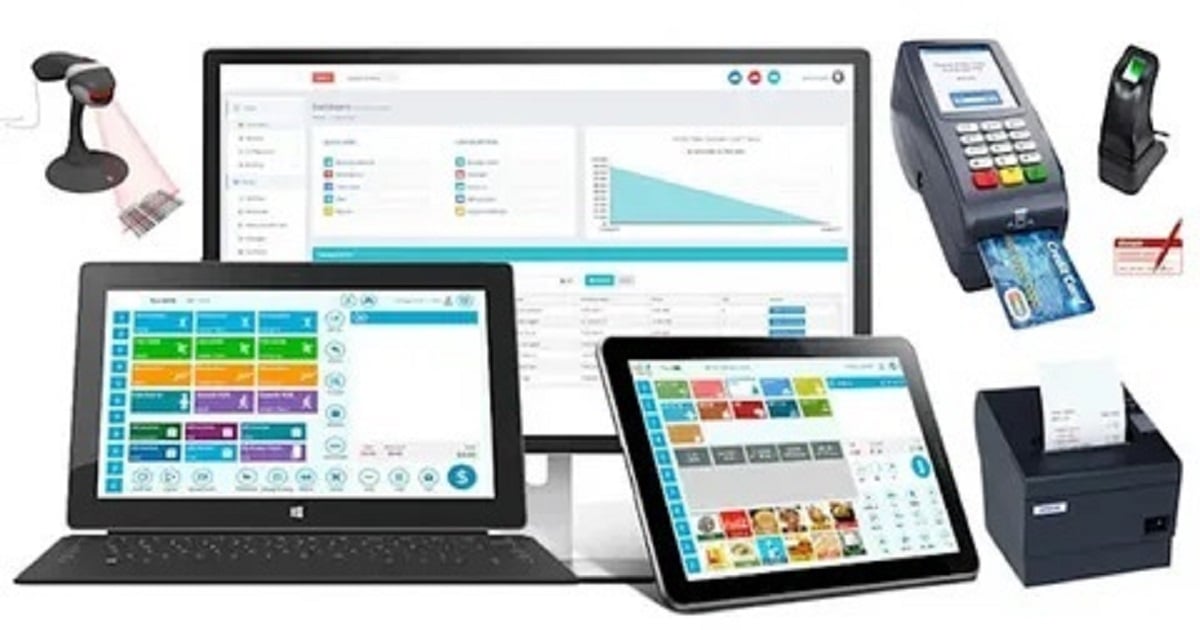
Human resource management is becoming increasingly important for businesses across Saudi Arabia as organizations focus on operational efficiency, employee satisfaction, and sustainable growth. Companies in Riyadh are adopting digital solutions to simplify HR activities, improve workforce planning, and maintain accurate employee records. A modern human resource management system helps businesses manage these responsibilities while reducing administrative pressure. In 2027, organizations that invest in the right HR technology can improve productivity, strengthen communication, and build a more organized workplace.
Choosing نظام إدارة الموارد البشرية (HRMS) في الرياض allows businesses to manage essential human resource activities through a centralized digital platform. From employee information and attendance tracking to payroll coordination and performance monitoring, an HRMS supports smoother daily operations. As companies expand and workforce requirements become more complex, this technology provides a practical way to improve HR processes while supporting Saudi business needs. Understanding its benefits helps employers identify the right solution for their long-term objectives.
Understanding Human Resource Management Systems in 2027
A human resource management system is software designed to organize and automate important employee-related processes. Instead of maintaining separate spreadsheets, paper files, and disconnected applications, businesses can use one platform to manage workforce information. This centralized approach makes HR operations more consistent and gives authorized employees access to relevant information when needed.
Modern HRMS platforms often include employee record management, attendance monitoring, leave administration, recruitment support, payroll integration, performance evaluations, and reporting tools. The exact features depend on the selected software, but the overall purpose remains the same: simplify administrative responsibilities and help HR teams make informed decisions.
1. Improved Efficiency in Daily HR Operations
One of the most significant benefits of an HRMS is the ability to reduce repetitive administrative work. HR professionals frequently handle employee documents, attendance information, leave applications, employment updates, and internal requests. Managing these activities manually can consume considerable time and increase the possibility of mistakes.
An HRMS automates many routine tasks and organizes information in a structured environment. Employee details can be updated digitally, leave requests can follow predefined approval procedures, and important records can be retrieved without searching through multiple files.
2. More Accurate Employee Information Management
Accurate employee information is essential for effective human resource management. Incorrect contact details, outdated employment records, missing documents, and inconsistent job information can create operational difficulties. These problems become more challenging when businesses maintain large workforces or operate across multiple locations.
An HRMS provides a centralized location for authorized users to manage employee information. Depending on the software, records may include job titles, department assignments, employment dates, contact information, qualifications, leave balances, and relevant employment documents.
3. Better Attendance and Time Management
Attendance management directly affects productivity, scheduling, and payroll preparation. Manual attendance registers and disconnected timekeeping systems can make it difficult to identify missing records, monitor working hours, and resolve discrepancies.
A suitable HRMS can connect attendance information with employee records and, where supported, integrate with biometric devices, access-control systems, or digital timekeeping applications. These capabilities help businesses maintain more organized attendance data and review employee working patterns.
4. Simplified Leave and Absence Management
Managing employee leave can become complicated when requests are submitted through emails, paper forms, messaging applications, and informal conversations. HR teams must track approvals, leave balances, planned absences, and departmental staffing requirements while ensuring that records remain consistent.
An HRMS brings these activities into a more organized workflow. Employees may submit requests digitally, managers can review applications, and HR professionals can monitor approved leave through a centralized system. Automated notifications and approval routing may further reduce unnecessary delays.
For businesses in Saudi Arabia, a well-configured system can help HR teams administer annual leave, sick leave, and other applicable absence categories according to company policies and relevant labor requirements.
5. Stronger Payroll Coordination and Fewer Errors
Payroll accuracy is essential for employee trust and business continuity. Incorrect salary information, outdated employee records, missing attendance data, and improperly recorded allowances can lead to payment discrepancies and additional administrative work.
An HRMS can help connect employee information, approved absences, attendance records, and relevant compensation details. When integrated with a suitable payroll solution, the system can reduce repeated data entry and provide a more consistent flow of information between HR and finance departments.
6. More Effective Recruitment and Onboarding
Recruitment involves several connected activities, including publishing vacancies, reviewing applications, arranging interviews, evaluating candidates, and preparing employment documents. When these activities are managed separately, important information may be overlooked, and communication between hiring teams can become inconsistent.
An HRMS with recruitment capabilities can organize candidate records, monitor application progress, and help hiring managers coordinate their decisions. Some platforms also provide interview scheduling, approval workflows, and communication tools that reduce manual follow-up.
7. Improved Employee Experience and Engagement
Employee experience influences workplace satisfaction, communication, and retention. When staff members struggle to obtain employment documents, check leave balances, update personal information, or understand the status of HR requests, frustration can increase.
An HRMS can provide employee self-service features that allow staff to access approved information and complete routine tasks independently. Depending on the platform, employees may be able to submit leave requests, update selected personal details, review attendance records, and download available documents.
This convenience reduces unnecessary communication and allows HR teams to respond more effectively to complex employee concerns.
Organizations implementing نظام إدارة الموارد البشرية (HRMS) في الرياض can also use performance feedback, development plans, and employee surveys when these features are available. Such tools help managers identify areas where employees need support and encourage more constructive communication.
Technology alone cannot guarantee engagement. Respectful leadership, fair policies, recognition, and opportunities for professional growth remain essential. An HRMS is most effective when it supports these practices rather than replacing meaningful human interaction.
8. Better Performance Management and Employee Development
Performance management helps organizations understand employee contributions, identify skill gaps, and align individual objectives with business priorities. Traditional appraisal methods may depend on inconsistent paperwork or occasional meetings that provide limited visibility into progress.
An HRMS can organize performance reviews, record agreed objectives, document feedback, and maintain development plans. Managers can use these records to follow employee progress and prepare more meaningful discussions about performance.
11. Support for Business Growth and Scalability
As companies expand, their HR responsibilities usually become more demanding. Additional employees, new departments, multiple branches, and changing business requirements can make manual systems difficult to maintain.
A scalable HRMS allows organizations to expand their workforce management processes without rebuilding every procedure from the beginning. Depending on the platform, businesses may add users, departments, approval levels, reporting options, and integrations as their requiremen
By adopting نظام إدارة الموارد البشرية (HRMS) في الرياض, companies can create more organized HR workflows and provide employees with convenient access to essential services. However, successful implementation depends on choosing suitable software, maintaining accurate information, training users, and aligning system settings with applicable Saudi requirements.
Businesses that evaluate their needs carefully and implement HR technology strategically can establish a stronger foundation for productivity, employee development, and sustainable growth. The right HRMS is not simply an administrative tool; it is a practical investment in better workforce management and long-term organizational performance.
Frequently Asked Questions
1. What is an HRMS?
An HRMS is software that helps businesses manage employee records, attendance, leave, recruitment, performance, and other human resource activities through a centralized platform.
2. Why do Riyadh businesses need an HRMS in 2027?
Businesses can use an HRMS to reduce repetitive administrative tasks, improve workforce visibility, organize employee information, and support business expansion.
3. Can an HRMS improve payroll accuracy?
Yes. An HRMS can improve payroll coordination by connecting employee records, attendance information, approved leave, and compensation data, particularly when integrated with payroll software.
4. Is HRMS software suitable for small businesses?
Yes. Small businesses can benefit from simplified employee administration and automated workflows, provided the software fits their budget, workforce size, and operational requirements.
5. How should Saudi companies select an HRMS?
Companies should evaluate local requirements, security features, payroll compatibility, integration options, ease of use, customer support, scalability, and total implementation costs.