





Finding dependable eye care is an important decision for every family. From children who need routine vision checks to adults managing changing eyesight, the right healthcare environment can make a meaningful difference. Choosing the Best Eye Hospital in Lahore gives families access to professional evaluation, modern diagnostic support, and treatment options designed around individual eye health needs. A trusted hospital can also make eye care feel more organized and reassuring for patients of different ages.
The Best Eye Hospital in Lahore is not defined only by advanced equipment or a convenient location. Families also look for experienced eye specialists, careful examinations, clear communication, and a patient-focused approach. When these qualities come together, patients can receive appropriate guidance for common vision concerns as well as more complex eye conditions. This makes choosing a reliable eye hospital an important part of maintaining long-term visual health.
Why Families Need Reliable Eye Care
Vision affects almost every part of daily life. Children depend on clear eyesight for learning and classroom activities, while adults need good vision for work, driving, reading, and using digital devices. Older family members may require regular monitoring for age-related changes. Because eye needs can vary significantly within the same household, families benefit from having access to a dependable eye care provider.
Regular eye examinations can help identify changes before they become more difficult to manage. Some vision problems may develop gradually without causing obvious discomfort. A professional examination can provide a clearer understanding of the condition and help determine whether glasses, monitoring, medication, or another form of treatment may be appropriate.
What Makes an Eye Hospital Trusted by Families
Trust develops through consistent patient care. Families generally want an eye hospital where doctors listen carefully, explain findings in understandable language, and recommend treatment according to the patient’s individual needs. A professional approach helps patients feel more comfortable when discussing symptoms, previous treatment, or concerns about their eyesight.
A trusted hospital should also maintain a suitable environment for examinations and procedures. Clean facilities, organized appointments, appropriate diagnostic technology, and trained staff can contribute to a better healthcare experience. These factors become particularly important when several members of a family require different types of eye services.
Comprehensive Eye Examinations for Different Age Groups
Children may require eye assessments for reasons that are different from those of adults. Difficulty reading the board, frequent eye rubbing, headaches, or problems concentrating can sometimes be associated with uncorrected vision issues. An eye examination can help determine whether a child needs corrective lenses or further evaluation.
Adults may visit an eye specialist because of blurred vision, headaches, difficulty focusing, eye strain, or changes in their prescription. Regular examinations can also help monitor existing conditions and identify changes in eye health.
Advanced Diagnostic Support for Better Eye Care
Accurate diagnosis is an essential part of effective eye treatment. Modern eye care can involve different forms of testing depending on the patient’s symptoms and medical history. A specialist may recommend specific examinations to assess visual clarity, eye structures, pressure, or other aspects of ocular health.
Advanced diagnostic technology can support doctors in developing a more detailed understanding of a patient’s condition. However, equipment alone does not determine the quality of care. The experience of the eye specialist and the ability to interpret examination results are equally important.
Caring for Children’s Vision
Children’s eye health deserves particular attention because vision plays an important role in development and education. Some children may not realize that their eyesight is different from normal because they have never experienced clear vision. Parents may therefore notice changes in behavior or school performance before a child reports a problem.
A professional eye assessment can identify refractive errors and other concerns that may affect visual performance. If glasses are recommended, parents can receive guidance about selecting and maintaining suitable eyewear. Follow-up appointments may also be advised when ongoing monitoring is necessary.
Eye Care for Working Adults
Modern lifestyles place significant demands on the eyes. Many professionals spend long hours looking at computers, mobile phones, tablets, and other digital screens. Extended screen use can be associated with symptoms such as tired eyes, dryness, temporary blurred vision, and discomfort.
Adults can also benefit from regular prescription checks. Vision requirements may change over time, and outdated glasses or contact lens prescriptions can make everyday activities unnecessarily difficult. A reliable eye hospital can provide appropriate assessment and professional recommendations based on each patient’s visual needs.
Supporting the Eye Health of Older Family Members
As people age, maintaining regular eye care becomes increasingly valuable. Changes in vision can sometimes occur slowly, making them easy to overlook. Older family members may also have a greater need for monitoring because of conditions that can affect eyesight over time.
Regular examinations allow eye specialists to assess changes and recommend appropriate management. Depending on the findings, patients may require observation, prescription changes, medical treatment, or surgical consultation.
Treatment for Common Vision Problems
Eye hospitals manage a broad range of vision concerns. Refractive errors such as nearsightedness, farsightedness, and astigmatism are common reasons for seeking professional care. Depending on the patient’s condition, treatment may involve glasses, contact lenses, or consideration of vision correction procedures.
Other patients may seek care because of persistent dryness, eye irritation, infections, or changes in visual clarity. The appropriate treatment depends on the cause, severity, and individual circumstances.
Laser Vision Correction and LASIK Assessment
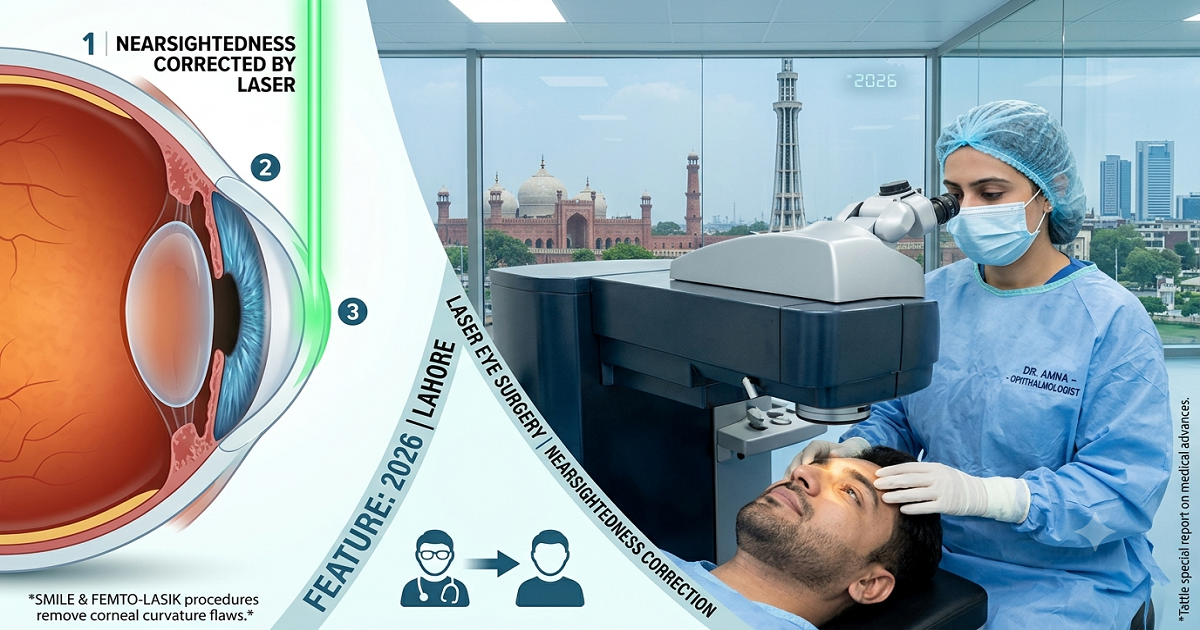
Some adults explore laser vision correction because they want to reduce their dependence on glasses or contact lenses. Procedures such as LASIK may be suitable for selected patients, but not everyone is an appropriate candidate.
A detailed preoperative examination is an important part of the process. Eye specialists evaluate factors such as prescription stability, corneal characteristics, overall eye health, and other relevant considerations before recommending a procedure.
Cataract Evaluation and Treatment
Cataracts can affect the clarity of vision and are commonly associated with aging. Patients may notice cloudy vision, difficulty seeing at night, increased sensitivity to light, or frequent changes in their glasses prescription.
When cataracts begin to interfere with everyday activities, an eye specialist can evaluate their progression and discuss available treatment options. Cataract surgery is a common procedure, but the decision to proceed should be based on the patient’s visual needs and clinical assessment.
Why Professional Guidance Matters
Online information can help people understand general eye health topics, but it cannot replace an individual examination. Similar symptoms can sometimes have different causes, which means self-diagnosis may lead to inappropriate treatment or unnecessary concern.
Choosing the Right Eye Hospital in Lahore
Families in Lahore have different priorities when selecting an eye care provider. Some may focus on specialist experience, while others may consider diagnostic facilities, treatment options, appointment convenience, or follow-up services.
Building a Long-Term Family Eye Care Routine
Eye health should not be treated as a one-time concern. Regular examinations can help families stay aware of changes in vision and seek professional advice when needed. The appropriate frequency of examinations depends on age, symptoms, existing conditions, risk factors, and the recommendations of an eye care professional.
The Role of Patient-Centered Eye Care
Good eye care involves more than diagnosing a condition. Patients also need to understand their options and feel respected throughout the treatment process. A patient-centered approach recognizes that every person has different concerns, expectations, lifestyle requirements, and health circumstances.
When to Seek Professional Eye Care
People should not ignore significant changes in their vision. Persistent blurred vision, unexplained eye discomfort, unusual visual disturbances, or other concerning symptoms should be discussed with an eye care professional.
Families need eye care they can rely on throughout different stages of life. From children’s vision assessments and adult prescription checks to cataract evaluations and laser vision correction consultations, professional eye services can support a wide range of visual needs. Choosing the Best Eye Hospital in Lahore means looking beyond technology and considering specialist expertise, diagnostic support, personalized treatment, patient communication, and reliable follow-up care.
A trusted eye hospital can become an important part of a family’s long-term approach to vision health. By scheduling appropriate examinations, responding to changes in eyesight, and seeking professional guidance when necessary, families can take practical steps toward protecting their vision. With informed decisions and consistent care, maintaining healthy eyesight can become a natural part of everyday family healthcare.
FAQs
What services can families receive at an eye hospital?
Families may receive eye examinations, vision testing, prescription assessment, diagnostic evaluations, treatment for common eye conditions, cataract care, and consultations for vision correction procedures.
How often should children have eye examinations?
The appropriate schedule depends on the child’s age, symptoms, visual development, and professional recommendations. Parents should arrange an examination if they notice changes in vision or learning-related difficulties.
Can adults visit an eye hospital for routine checkups?
Yes. Routine eye examinations can help monitor vision and identify changes that may require updated prescriptions, treatment, or further specialist evaluation.
Is LASIK suitable for everyone?
No. LASIK suitability depends on individual factors such as eye health, prescription stability, corneal characteristics, and the results of a detailed preoperative assessment.
Why is regular eye care important for older adults?
Regular examinations can help monitor age-related changes and identify eye conditions that may affect vision. Professional follow-up can support timely management when concerns are detected.