




The sea air rolls in off the North Sea, carrying with it the kind of salt-laden moisture that finds its way into every crack and crevice. In Clacton-on-Sea, where Victorian terraces stand shoulder to shoulder with 1930s semis and post-war builds, chimneys are more than architectural features — they’re part of the town’s character. But that same coastal charm comes with a cost. Salt, wind, and relentless damp accelerate the decay of mortar joints, leaving chimneys vulnerable to water ingress, structural weakness, and costly damage if left unchecked.
For homeowners, landlords, and property managers across Clacton-on-Sea and the wider Essex coast, chimney repointing isn’t just a maintenance task — it’s a necessity. And when repairs are needed, timing matters. Addressing issues before the winter rains set in can save thousands in structural repairs down the line.
What Is Chimney Repointing and Why Does It Matter?
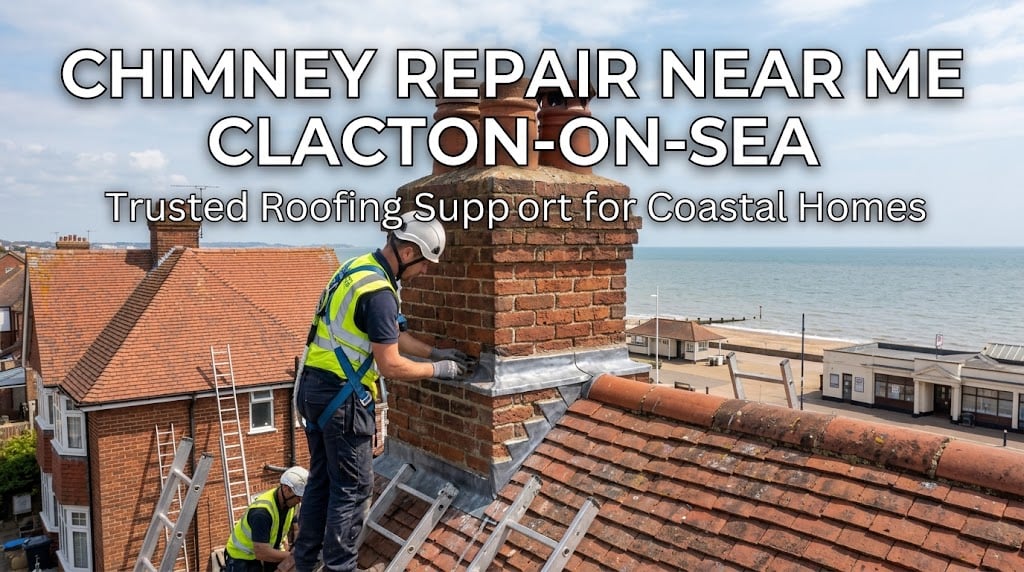
Chimney Repointing Clacton-on-Sea is the process of carefully removing deteriorated mortar from the joints between bricks and replacing it with fresh, high-quality mortar matched to the original in composition, colour, and texture. It’s a skilled craft that requires more than just a trowel and a bucket of mix — it demands an understanding of older building methods, the behaviour of lime-based mortars, and the unique challenges posed by coastal environments.
In Clacton-on-Sea, where properties often date back to the early 20th century and beyond, many chimneys were built using soft, porous bricks and lime mortars designed to breathe. Modern cement-based mortars, while stronger, can trap moisture and cause bricks to crack and spall. That’s why proper repointing uses breathable, flexible materials that allow the chimney to move naturally with temperature changes and settle without compromising its integrity.
Neglecting repointing leads to a cascade of problems: water seeps into the chimney stack, saturates the internal flue, damages plasterwork and ceilings, and in severe cases, undermines the stability of the entire structure. For landlords managing rental properties, this isn’t just about aesthetics — it’s about compliance, safety, and protecting asset value.
Signs Your Chimney Needs Repair
Not every chimney issue requires a full rebuild. Often, timely repointing or targeted repairs can restore function and appearance for years to come. Here are the most common signs that your chimney in Clacton-on-Sea needs attention:
-
Crumbling or missing mortar: If you can scrape mortar away with a screwdriver or see gaps larger than a few millimetres, it’s time for repointing.
-
Loose or displaced bricks: Bricks that wobble or protrude indicate advanced decay and potential structural risk.
-
Water stains on ceilings or walls: Damp patches near the chimney breast suggest water is entering through failed joints.
-
Moss or vegetation growth: Plants thriving in mortar joints signal excess moisture retention — a red flag in coastal climates.
-
Flaking or powdery brick surfaces: Known as spalling, this occurs when trapped moisture freezes and expands, breaking the brick face.
If you notice any of these signs, don’t wait. Coastal weather moves quickly, and what starts as a minor hairline crack can become a major leak within a single storm season.
The Clacton-on-Sea Factor: Why Coastal Chimneys Demand Specialist Care
Chimney Repair Clacton-on-Sea isn’t just any town. Its position on the Essex coast means properties face a unique set of environmental stressors. Salt spray corrodes metal fixings and accelerates mortar decay. Prevailing easterly winds drive rain into exposed elevations, particularly on chimney stacks that rise above the roofline with no shelter. And the high humidity levels mean moisture lingers longer, giving decay more time to take hold.
Standard repointing techniques used inland often fall short here. The mortar mix must be formulated to withstand salt crystallisation — a process where salt deposits expand within the mortar pores, causing it to crumble from the inside out. Breathability is equally critical. Trapped moisture has nowhere to go in a non-breathable system, leading to internal damp and structural stress.
That’s why chimney repair in Clacton-on-Sea requires a contractor who understands coastal building physics. It’s not enough to patch the visible damage — the entire system must be assessed, from the flashing at the roof junction to the pot at the top of the stack.
What to Expect from Professional Chimney Repointing
When you engage a specialist like D And B Roofing for chimney repointing in Clacton-on-Sea, the process begins with a thorough inspection. A qualified surveyor will assess the condition of the mortar, bricks, flashing, and internal flue lining. They’ll check for signs of movement, water ingress, and previous repairs that may have used incompatible materials.
Once the scope of work is agreed, the repointing process typically follows these steps:
-
Protection: Scaffolding or tower access is erected to ensure safe working at height. Surrounding areas are sheeted to protect roofing tiles and guttering.
-
Raking out: Old, failed mortar is carefully removed to a consistent depth — usually two to three times the joint width — using hand tools to avoid damaging the bricks.
-
Cleaning: Joints are brushed and washed to remove dust and debris, ensuring a clean surface for the new mortar to bond.
-
Repointing: Fresh mortar is pressed into the joints in layers, finished to match the original profile (whether flush, weathered, or struck).
-
Curing: The mortar is allowed to cure slowly, often misted with water in dry conditions to prevent rapid drying that can cause cracking.
For chimneys with more extensive damage — such as displaced bricks, failed flashing, or cracked stacks — additional repairs may be required. This could include rebuilding sections of the stack, replacing damaged bricks with reclaimed or matching new units, or installing new lead flashing to prevent water ingress at the roof junction.
Why Choose D And B Roofing for Chimney Repair in Clacton-on-Sea?
D And B Roofing has built its reputation on delivering high-quality, durable chimney repairs tailored to the specific needs of Clacton-on-Sea properties. With years of experience working on coastal homes across Essex, the team understands the nuances of repointing older brickwork and the importance of using breathable, salt-resistant mortars.
Every job begins with a no-obligation survey, during which the full condition of the chimney is documented and a clear, transparent quote is provided. There are no hidden costs, no pressure sales tactics — just honest advice on what needs to be done and why. For landlords and property managers, detailed reports and photographic evidence are available to support insurance claims or compliance records.
Work is carried out by trained, insured craftsmen who take pride in their finish. Scaffolding is erected safely and efficiently, and the site is left clean and tidy upon completion. Most importantly, the work is guaranteed — giving homeowners peace of mind that their chimney will withstand the next winter storm.
Protecting Your Investment: The Long-Term Value of Timely Repointing
A well-maintained chimney adds value to a property. It signals to buyers and surveyors that the home has been cared for, reducing the likelihood of price negotiations or failed sales due to structural concerns. For landlords, it minimises the risk of tenant complaints, emergency call-outs, and potential liability issues related to damp or structural failure.
Conversely, a neglected chimney can become a financial liability. Water ingress can ruin internal decorations, damage timber structures, and in extreme cases, compromise the stability of the roof. The cost of repointing a chimney stack is a fraction of the expense involved in rebuilding a collapsed stack or repairing widespread damp damage.
In Clacton-on-Sea, where the housing market remains competitive, maintaining the external fabric of your property isn’t just about curb appeal — it’s about protecting your investment for the long term.
When to Act: Timing Your Chimney Repairs
The best time for chimney repointing in Clacton-on-Sea is during the drier months — typically late spring through early autumn. Mortar cures best in moderate temperatures and low humidity, reducing the risk of cracking or delayed setting. However, if damage is already evident — such as loose bricks or active leaks — repairs should be carried out as soon as possible, regardless of season.
Winter work is possible but requires additional precautions, such as using frost-protected mortars and covering the work area to prevent rain saturation. D And B Roofing can advise on the optimal timing for your specific situation and weather conditions.
Final Thoughts: Don’t Wait for the Storm
Chimneys are often out of sight and out of mind — until they fail. By then, the damage is done, and the repair bill is far higher than it needed to be. In a coastal town like Clacton-on-Sea, where the elements are relentless, proactive maintenance is the only sensible approach.
If your chimney shows signs of wear — crumbling mortar, loose bricks, or damp stains — now is the time to act. A professional survey from D And B Roofing will give you a clear picture of what’s needed, how much it will cost, and how long the work will take. With expert chimney repointing and repair in Clacton-on-Sea, you can protect your home, preserve its character, and enjoy peace of mind through every winter storm.