





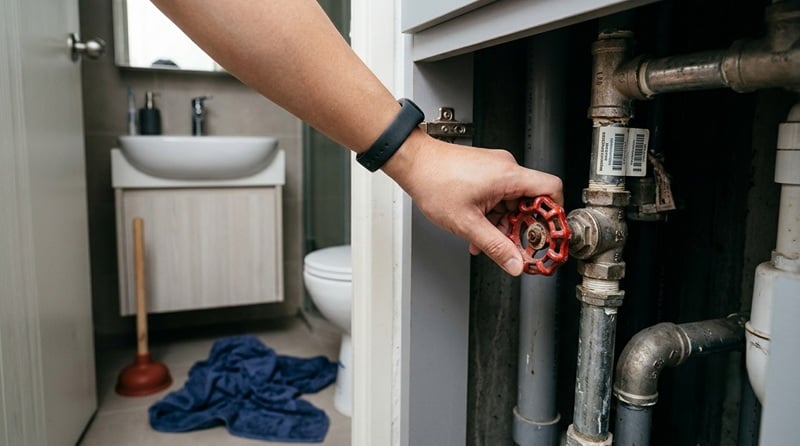
When a plumbing emergency strikes, the first priority is to stop the water flow by shutting off the nearest isolation valve or the main water supply. Assess whether the issue a burst pipe, toilet bowl choke, or sudden leak poses immediate damage risk. If it does, call an emergency plumber in Singapore without delay.
Why Plumbing Emergencies Happen More Often Than You Think
Singapore’s high-density housing means shared pipework, ageing infrastructure in older HDB flats, and constant humidity all of which accelerate wear on your plumbing systems. A minor drip behind a cabinet can silently cause structural damage for months. A toilet that suddenly stops flushing at 11pm is not just inconvenient it can quickly become a hygiene hazard.
Understanding which situations are true emergencies and which can wait until morning will save you money, stress, and potential property damage.
How to Identify a True Plumbing Emergency
Not every plumbing issue requires an after-hours call. A true emergency involves one or more of the following:
- Water flowing uncontrollably from a burst or leaking pipe
- A completely blocked toilet that cannot be used
- Water seeping into walls, flooring, or electrical fittings
- No water supply to the entire unit
- Sewage backing up through floor drains or fixtures
If any of these apply, act immediately. Delaying by even an hour can cause water damage that costs significantly more to repair than the plumbing fix itself.
Step-by-Step: What to Do When a Plumbing Emergency Happens
Step 1 — Shut Off the Water Supply
Find the isolation valve closest to the affected fixture. For a leaking pipe under the kitchen sink, turn the valve beneath the sink. For a toilet bowl issue, the stop valve is typically located behind or beside the cistern. If you cannot isolate the problem, shut off the main supply valve usually found near the service yard or utility area in Singapore homes.
Step 2 — Assess the Damage
Once water is stopped, check how far the damage has spread. Is there water near electrical sockets or the fuse box? If so, switch off the electrical supply to that area from your distribution board and contact both a plumber and your building management. Do not attempt leaking pipe repair near live electrical points yourself.
Step 3 — Document Everything
Take photos and short videos before you clean up or attempt any fixes. This is essential for insurance claims and for giving your plumber an accurate picture of the problem. Singapore home insurance policies often require evidence of damage to process claims efficiently.
Step 4 — Call a Licensed Plumber
Temporary fixes like waterproof tape or bucket-under-the-drip solutions are only short-term stopgaps. A licensed plumber can diagnose root causes, whether that’s a failed pipe joint, a choked drain line, or a faulty cistern valve. Look for plumbers registered with the Public Utilities Board (PUB) of Singapore, which regulates licensed plumbing work under the Water Supply (Plumbing) Regulations.
Common Home Plumbing Emergencies — and What Causes Them
| Emergency Type | Common Cause | Emergency or Can Wait? |
|---|---|---|
| Toilet bowl choke | Foreign objects, excess waste, or worn flush valve | Emergency if only toilet in unit |
| Leaking pipe | Corroded joints, high water pressure, ageing pipes | Emergency if water is uncontrolled |
| Kitchen sink choke | Grease build-up, food debris, blocked trap | Can wait if draining slowly |
| Burst pipe | Pressure surge or physical damage | Always an emergency |
| Toilet bowl repair needed | Cracked bowl, faulty seat, cistern leak | Depends on severity |
Dealing With a Toilet Bowl Choke
A toilet bowl choke is one of the most stressful overnight emergencies. If the bowl fills up instead of flushing clear, stop flushing immediately repeated flushing can cause overflow. Use a plunger with firm, even pressure. If that does not resolve it within a few attempts, the blockage is likely deeper in the waste pipe and needs professional clearing with a drain snake or hydro-jet equipment.
In HDB flats and condominiums, shared soil stacks mean a blockage in one unit can affect neighbours above or below. Notify your building management if the problem persists after your plumber’s visit.
Leaking Pipe Repair: Don’t Delay
A small visible drip rarely stays small. In Singapore’s humid climate, even a slow leak behind walls can lead to mould growth within 24 to 48 hours, according to guidelines published by the National Environment Agency (NEA). Mould remediation costs far exceed the price of a basic pipe repair.
For exposed pipes, wrapping the leak with waterproof plumbing tape buys time but it is not a permanent fix. A licensed plumber will identify whether the issue requires a section replacement, joint resealing, or a full re-pipe depending on the pipe material and age.
Kitchen Sink Choke: Emergency or Not?
A kitchen sink choke is frustrating but rarely a same-night emergency unless water is backing up onto the counter or floor. A slow drain usually means a partial grease blockage in the P-trap or horizontal drain line. Boiling water poured slowly into the drain can sometimes shift light grease build-up. Avoid chemical drain cleaners on older PVC pipes the heat reaction can cause softening or cracking.
If the sink is completely blocked and water will not drain at all, especially if connected to a dishwasher, book a plumber promptly to prevent wastewater from backing up into the appliance.
What Landlords and Property Managers Should Know
Under Singapore tenancy law, responsibility for plumbing repairs depends on the lease terms, but urgent repairs that affect habitability such as a burst pipe or sewage backflow typically fall on the landlord to resolve promptly. Property managers handling multiple units should keep a vetted emergency plumber on call and ensure tenants know how to locate and operate the main water shutoff.
Proactive maintenance, including annual inspection of pipe joints, cistern components, and drainage lines, significantly reduces the likelihood of an after-hours emergency.
When to Call an Emergency Plumber in Singapore
Call immediately if:
- You cannot stop water flow by shutting off valves
- Water is near electrical fittings or has entered the walls
- Sewage is backing up into the unit
- Your only toilet is completely unusable
- A pipe has visibly burst or cracked
Book a next-day appointment if the issue is a slow draining sink, a minor drip you can contain, or a toilet that still functions but flushes weakly.
For homeowners and tenants in Singapore dealing with unexpected plumbing failures, having a reliable, licensed service on speed dial makes all the difference. PW Plumbing provides round-the-clock emergency plumbing services across Singapore, handling everything from toilet bowl repair and pipe leaks to drain chokes so you are never left managing a water crisis alone.
Frequently Asked Questions
What qualifies as a plumbing emergency at home?
A plumbing emergency includes any situation where water flow is uncontrolled, sewage is backing up, your only toilet is completely blocked, or water is near electrical fittings. These require immediate attention. Issues like a slow-draining sink or a minor drip you can contain are urgent but can typically be booked for next-day repair.
How do I stop a leaking pipe before the plumber arrives?
Turn off the isolation valve closest to the leak, or shut off the main water supply if you cannot locate the specific valve. Wrap the affected section with waterproof plumbing tape as a temporary measure. Avoid using the water in that line until a licensed plumber has completed a proper leaking pipe repair.
What should I do if my toilet bowl is choked and overflowing?
Stop flushing immediately to prevent overflow. Use a plunger with steady pressure to attempt clearing the blockage. If the toilet does not clear within a few attempts, the obstruction is likely deeper in the drain line. Call a plumber, especially if it is the only toilet in your home.
Can a kitchen sink choke wait until the next day?
In most cases, yes — if water is draining slowly, it is not an emergency. However, if the sink is completely blocked, water is backing up onto the floor, or it is connected to a dishwasher that cannot drain, book a plumber promptly to prevent further damage or hygiene issues.
Are HDB residents responsible for their own plumbing repairs?
Yes. In Singapore HDB flats, residents are generally responsible for plumbing within their own unit. Shared infrastructure such as the main soil stack falls under HDB’s purview. For leaks affecting neighbouring units, notify your building management immediately and document all damage for insurance or dispute resolution purposes.
How do I find a licensed emergency plumber in Singapore?
Look for plumbers registered with the Public Utilities Board (PUB), which licenses water service plumbers under the Water Supply (Plumbing) Regulations. Ask for their licence number before work begins. A licensed plumber ensures the repair meets Singapore’s standards and protects you from liability if the work affects shared building infrastructure.