





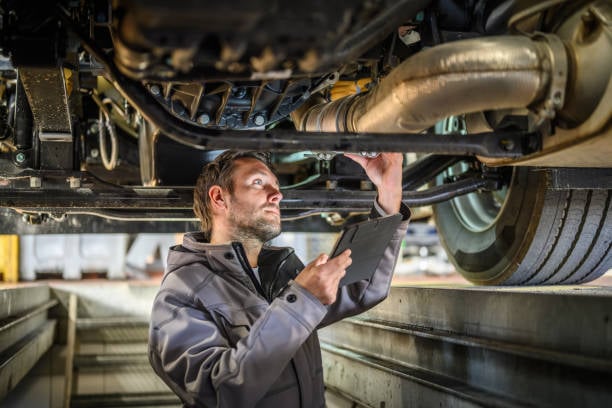
In trucking, surprises cost money. A highway breakdown does not only imply repair costs – it also creates delays in the delivery schedules, makes customers angry, and leaves your trucks off the road. This is why a good preventive maintenance program is not merely a good idea, but it is an absolute necessity for every fleet owner who is interested in uptime and profitability. Having reliable fleet maintenance services is what can help to avoid being ahead of the issues and beg to remain behind them.
To most fleet managers and owner-operators, all you need to do is ensure the wheels are turning and money flowing. However, to develop an effective preventive maintenance program that would be realistic and effective in the context of the trucking business requires more than a checklist. It needs to be organized, regular, and rather disciplined.
The Real Cost of Skipping Preventive Maintenance
The operators are aware that downtime costs money, and what they seem to forget is the fact that unexpected downtime can be the profit killer. Once a truck breaks down on the road, the ripple effect is felt on all aspects of it, including the driver hours, commitment to customers, and delivery windows.
Here’s what those hidden costs look like in practice:
- Lost loads and missed deadlines: one delay can throw off the whole week’s schedule.
- Driver frustration: waiting on roadside assistance or a tow adds stress and burns hours of service.
- Reputation damage: missed deliveries mean unhappy customers who might look elsewhere next time.
Preventive maintenance flips that equation. Instead of reacting to problems, you plan around them. It’s not glamorous, but it saves thousands in the long run.
Step 1: Know Your Equipment and Its Intervals
A solid preventive maintenance plan starts with knowing your assets inside and out. Every truck, trailer, and piece of equipment in your fleet has different service needs depending on mileage, age, and operating conditions.
Start by:
- Reviewing manufacturer-recommended service intervals.
- Logging past maintenance records to spot recurring issues.
- Categorizing trucks by usage (local vs. long-haul, heavy-duty vs. light-duty).
That baseline helps you understand where to focus first. For example, your long-haul units might need more frequent oil changes or tire rotations than local delivery trucks that run shorter daily routes.
Step 2: Build a Calendar and Stick to It
The main term of preventive maintenance is “preventive”. After making service intervals on a map, place them on a visible calendar, be it a spreadsheet, whiteboard, or a TMS system.
Make it a pro tip: Schedule PMs during natural downtimes, weekends, or night shift. This way, it does not shift your schedule, and drivers don’t have to waste their productive hours.
Fleet maintenance services are available, and in many cases, these services carry out PM inspections in their yard. This saves time and fuel as there is no need to visit the shop. On-site servicing means that trucks are serviced without missing a single day of service.
Step 3: Standardize Inspections
A preventive maintenance schedule can only be effective when it is consistent. Make a standardized inspection checklist for your technicians or drivers.
Include things like:
- Engine oil and filter changes
- Brake linings and air systems
- Tire condition and pressure
- Electrical and lighting systems
- Suspension and steering
- Fluid levels and leaks
- Cooling and HVAC systems
Having everyone follow the same process means no missed steps and fewer unexpected repairs. Some fleets even add quick visual checks at fuel stops to catch small problems early.
Step 4: Track Data and Spot Trends
Preventive maintenance is not necessarily the same as repairing parts, but it is about becoming familiar with patterns. Tracking data can assist you in determining which trucks are costing you more than others or what systems break down most frequently.
A basic approach, such as recording repair tasks in a spreadsheet or a maintenance program, can do wonders. After a time, you will start to observe patterns; say that one truck uses more oil, or drivers seem to complain that the brakes are more worn on this truck.
That information makes it easier to plan, negotiate with vendors, and make decisions regarding replacement with real numbers rather than assumptions.
Step 5: Train Drivers to Be Your First Line of Defense
Drivers spend the most time with your trucks; they’re your eyes and ears on the road. Teaching them how to recognize early warning signs can prevent major breakdowns.
Encourage pre-trip and post-trip inspections that go beyond the basics. Teach them to watch for:
- Leaking fluids
- Uneven tire wear
- Strange noises or vibrations
- Changes in steering or braking response
When drivers report small issues early, you can fix them before they snowball into something expensive. Plus, drivers feel more valued when they’re part of keeping the trucks healthy.
Step 6: Balance Cost and Quality
Every fleet manager walks the line between keeping costs low and quality high. Cutting corners on parts or labor might save a few dollars now, but it can cost a lot more later in downtime and replacements.
Working with an experienced fleet maintenance services provider such as CS Truck & Trailer Repair ensures quality parts, certified technicians, and a system built around uptime. You get the assurance that every PM, inspection, or repair is done right and documented properly.
Look for providers who:
- Offer 24/7 support for on-site or roadside repairs.
- Provide digital maintenance records.
- Understand your type of fleet: refrigerated, dry van, heavy-duty, etc.
- Communicate clearly and consistently.
A dependable partner becomes an extension of your operation, not just another vendor.
Step 7: Review and Adjust Quarterly
Even the best schedules need fine-tuning. Review your preventive maintenance plan every few months to see what’s working and what’s not.
Ask yourself:
- Are we meeting PM intervals consistently?
- Which breakdowns could have been prevented?
- Are certain repairs happening too often?
Make small adjustments as needed. The goal isn’t perfection; it’s progress. A consistent review process keeps your maintenance plan aligned with real-world operations.
Conclusion: Preventive Maintenance Is an Investment, Not a Cost
At the end of the day, preventive maintenance isn’t just about fixing trucks; it’s about protecting your uptime, cash flow, and reputation. The fleets that plan ahead spend less time reacting to emergencies and more time making money.
Reliable fleet maintenance services help you stay proactive by catching problems early, organizing service records, and keeping every truck ready for the next load.
Because in this business, staying on the road is everything. And a well-built maintenance schedule doesn’t just keep your trucks running, but it also keeps your business moving forward.