




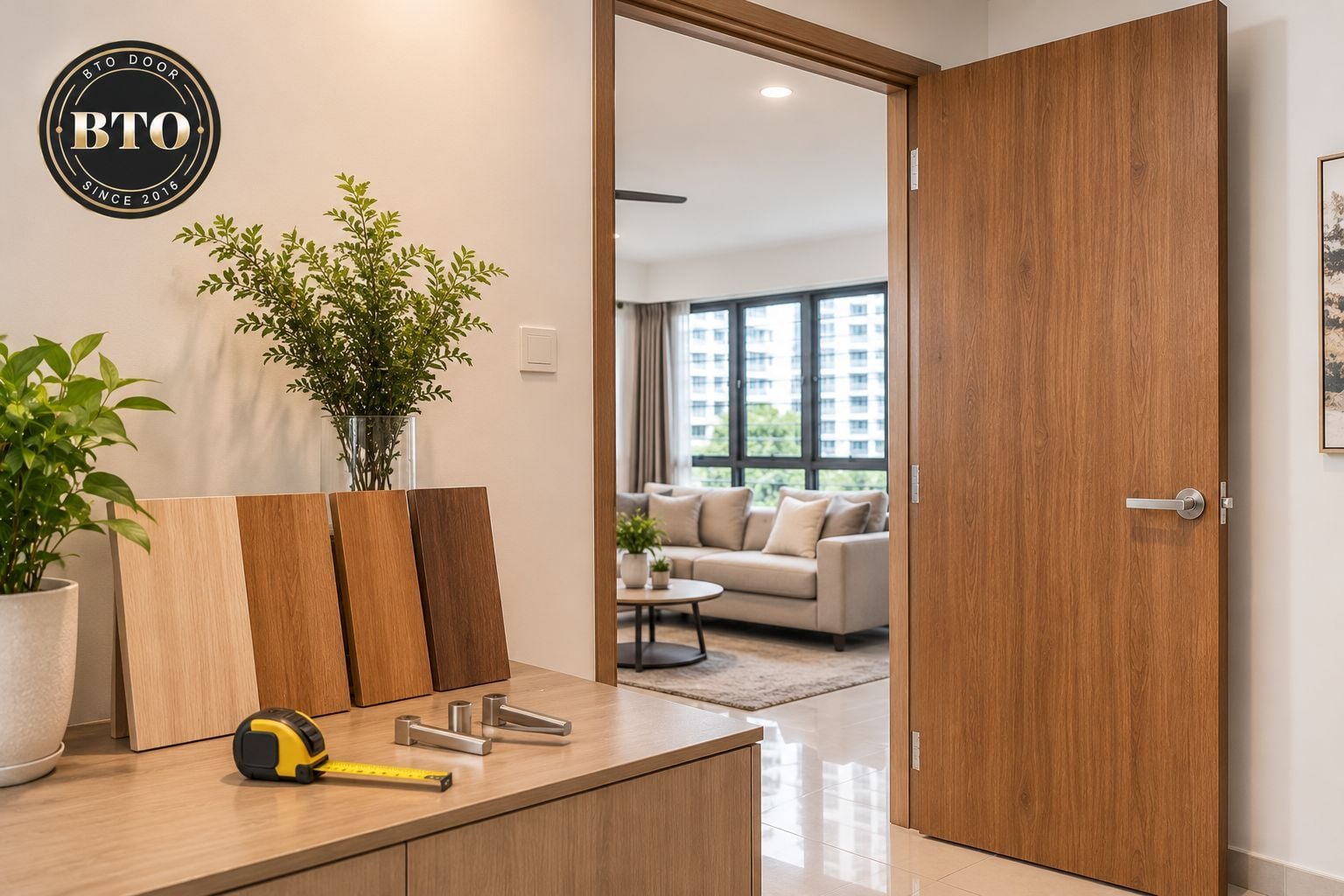
Choosing the right wooden door in Singapore depends on several key factors: the type of wood, durability in a humid tropical climate, design compatibility with your home, maintenance requirements, and your overall budget. For HDB flats and condominiums, fire-rated and moisture-resistant options are especially important. Matching these factors to your specific needs ensures a long-lasting, aesthetically fitting door.
Selecting a wooden door in Singapore is not as straightforward as picking a design you like online. Singapore’s humidity regularly sits between 70% and 90%, which directly affects how wood behaves over time. A door that looks stunning in a showroom can warp, swell, or crack within a year if the wrong material is chosen for the wrong setting. This guide walks you through every factor worth considering before making your decision.
Why Wood Type Matters More Than You Think
Not all timber is equal, and in Singapore’s climate, the difference between species can mean years of trouble-free use or constant repairs. The two broad categories you will encounter are solid wood and engineered wood.
Solid wood offers a premium, natural appearance and excellent acoustic insulation. Teak, Meranti, and Nyatoh are among the most commonly used species in Singapore. Teak is naturally resistant to moisture and insects, making it one of the most durable choices for the local climate. It comes at a higher price point, but its longevity justifies the cost for most homeowners.
Engineered wood including HDF (High Density Fibreboard) and LVL (Laminated Veneer Lumber) is designed to minimise the natural movement of timber. These materials are more dimensionally stable in humid environments and often more affordable. They are widely used in modern HDB and condominium doors precisely because of their consistency.
Wooden Door Designs: Matching Aesthetics to Your Interior
Wooden door designs range from clean, minimalist flush panels suited to modern interiors, to intricately carved or grooved designs that complement traditional or Peranakan-style homes. The design you choose should reflect not just your taste but also the overall tone of your living space.
Common design styles include:
- Flush doors smooth, flat surfaces ideal for contemporary HDB and condo interiors
- Panel doors raised or recessed panels that add depth and a classic look
- Louvred doors slatted designs that allow ventilation, often used for utility areas
- Glass-inset doors incorporate frosted or clear glass panels to allow natural light flow
For HDB main doors, the Housing and Development Board has specific requirements regarding fire resistance ratings. A door used as the main entrance to an HDB unit must meet the FD30 fire reated door standard, which means it must withstand fire for a minimum of 30 minutes. Always confirm compliance before purchasing.
How to Assess Wooden Door Durability in Singapore’s Climate
Durability is arguably the most critical factor for homeowners in Singapore. The combination of heat, humidity, and occasional heavy monsoon rain creates conditions that accelerate wear on untreated or poorly finished timber.
When evaluating durability, look for the following:
- Moisture resistance: Ensure the wood is kiln-dried and treated with a moisture-resistant coating or sealant.
- Termite resistance: Ask your wooden door supplier in Singapore whether the timber has been treated against termite infestation, which is a real concern in older estates.
- Finish quality: A high-quality lacquer or UV-resistant coating adds years to the door’s lifespan and reduces maintenance frequency.
- Core construction: Doors with solid or engineered cores outperform hollow-core alternatives in both durability and soundproofing.
Wooden Door Maintenance: What to Expect Over Time
One concern many homeowners raise is maintenance. Wooden doors do require more upkeep than metal or UPVC alternatives, but the effort is manageable with the right routine.
For daily care, simply wipe the door surface with a dry or lightly damp cloth to remove dust and moisture. Avoid abrasive cleaners that can strip the finish. Every one to two years, depending on exposure to sunlight and rain, you may need to re-apply a protective varnish or oil to maintain the wood’s appearance and water resistance.
Doors exposed to direct outdoor conditions such as a main door without a sheltered porch — will weather faster and may require more frequent attention. If your entrance is sheltered or the door is used as an interior room door, maintenance demands drop significantly.
Understanding Wooden Door Prices in Singapore
Wooden door prices in Singapore vary widely depending on material, size, design complexity, and whether installation is included. Here is a general pricing guide to help you budget:
| Door Type | Estimated Price Range (SGD) | Best For
|
|---|---|---|
| Engineered Wood Flush Door | $300 – $700 | HDB bedrooms, budget-conscious buyers |
| HDF Panel Door | $500 – $1,000 | Condos, modern interiors |
| Solid Timber Door (Meranti/Nyatoh) | $800 – $1,800 | Main doors, premium interiors |
| Teak Solid Wood Door | $1,500 – $3,500+ | Landed properties, long-term investment |
These figures are estimates and exclude hardware, frames, and installation costs, which can add $150 to $400 depending on complexity. Always request a detailed quotation from your supplier before committing.
How to Choose the Right Wooden Door Supplier in Singapore
Not all suppliers offer the same level of product quality, after-sales support, or technical knowledge. When evaluating a wooden door supplier in Singapore, consider these checkpoints:
- Do they offer fire-rated options that comply with HDB or BCA (Building and Construction Authority) standards?
- Can they provide samples or showroom visits so you can assess finish quality in person?
- Do they handle both supply and installation, and is there a warranty on workmanship?
- Are their products tested and certified for use in local residential settings?
The BCA Singapore provides guidelines on acceptable door specifications for residential builds and renovations. Cross-referencing supplier offerings against these standards is a smart step before purchase.
Key Factors Summarised: A Quick Decision Framework
Before finalising your purchase, run through this checklist:
- Location: Is the door for a main entrance, bedroom, bathroom, or utility space? Each has different requirements.
- Compliance: Does it meet HDB fire door standards if applicable?
- Material: Solid wood for longevity and prestige; engineered wood for stability and value.
- Design: Does the style complement your existing interior theme?
- Budget: Factor in the door, hardware, frame, and installation as a total cost.
- Supplier reliability: Choose one with proven experience in wooden doors for Singapore’s residential market.
Getting these six points right before you shop will save you from costly regret later. A wooden door is not a purchase you revisit every few years — make the first decision count.
If you are ready to explore options, BTO Door offers a curated range of wooden doors suited for HDB flats, condominiums, and landed homes across Singapore, with professional installation and guidance tailored to local housing requirements.
Frequently Asked Questions
What is the best type of wood for doors in Singapore’s humid climate?
Teak is considered the most durable option due to its natural moisture and termite resistance. For a more affordable alternative, kiln-dried Meranti or engineered wood with proper sealing performs well in Singapore’s high-humidity conditions and reduces the risk of warping over time.
Do HDB main doors need to be fire-rated?
Yes. HDB main entrance doors must meet the FD30 fire resistance standard, meaning they must withstand fire for at least 30 minutes. When purchasing a wooden door for an HDB flat, always confirm with your supplier that the product complies with this requirement before installation.
How much does a wooden door cost in Singapore?
Prices range from around SGD $300 for basic engineered wood flush doors to over SGD $3,500 for solid teak doors. The final cost depends on wood type, design, size, and installation. Always request a full quotation that includes hardware and fitting to avoid unexpected expenses.
How often do wooden doors need maintenance in Singapore?
Most wooden doors need a protective re-coat of varnish or oil every one to two years. Doors exposed to direct sunlight or rain may require more frequent upkeep. Regular wiping and avoiding harsh cleaning chemicals will extend the door’s finish and overall lifespan considerably.
Can wooden doors be used for bathrooms in Singapore?
Yes, but only moisture-resistant options are suitable. Solid wood is generally not recommended for bathroom doors due to constant humidity exposure. HDF or laminated engineered wood with waterproof finishes are better choices, as they resist swelling and warping in wet, enclosed spaces more reliably.
What should I look for in a wooden door supplier in Singapore?
Look for suppliers who offer BCA-compliant and fire-rated products, provide installation services, and have clear warranty terms. The ability to view physical samples is also important, as online images rarely capture the true texture and quality of the timber finish you will live with daily.