




Introduction
Tattoos are often chosen as a form of personal expression, creativity, or a way to preserve meaningful memories. However, personal preferences can change over time, leading some individuals to consider removing an existing tattoo. Modern laser technology has made tattoo removal a more advanced approach, helping gradually reduce unwanted tattoo pigments while supporting clearer-looking skin. The success of Laser tattoo removal in Abu Dhabi depends on several important factors, including tattoo colour, ink depth, skin type, tattoo age, pigment composition, and the laser technology selected. Understanding these factors helps individuals develop realistic expectations and make informed decisions about their skin treatment goals.
Understanding How Laser Tattoo Removal Works
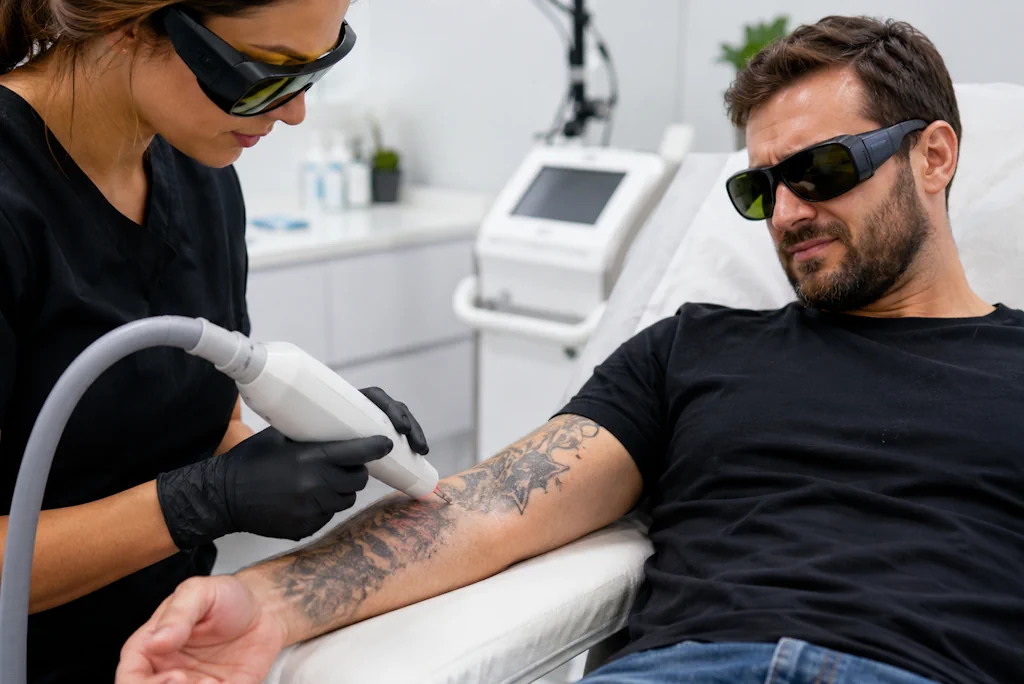
Laser tattoo removal uses focused light energy to target tattoo pigments beneath the skin. The laser delivers short pulses of energy that are absorbed by the ink particles. This process breaks larger pigment particles into smaller fragments, allowing the body’s natural processes to gradually clear them.
Different laser technologies are designed to target particular pigment colours and depths. The selection of an appropriate laser approach depends on the characteristics of the tattoo and the individual’s skin. Since tattoo pigments vary considerably, the treatment approach needs to be adjusted according to the specific requirements of each case.
The gradual nature of pigment removal is an important consideration. Multiple treatment sessions are generally required because the ink needs time to break down and clear between appointments.
Tattoo Colour and Its Impact on Removal Success
Tattoo colour is one of the most important factors influencing removal results. Different pigments absorb laser wavelengths differently, which means some colours respond more readily than others.
Black and dark blue pigments are generally easier to target because they absorb a broad range of laser energy. In comparison, green, turquoise, yellow, and certain lighter pigments may require more specialised laser wavelengths.
Multicoloured tattoos can be more challenging because each pigment may respond differently to the same treatment. A suitable approach considers the entire colour composition rather than treating every shade in the same way.
The concentration and chemical composition of tattoo ink can also influence how effectively laser energy breaks down the pigment. Therefore, understanding the colours used in a tattoo is essential when assessing its removal potential.
The Importance of Tattoo Age
The age of a tattoo can influence how it responds to laser treatment. Older tattoos sometimes contain pigments that have already faded naturally, making certain areas less concentrated than newer tattoos.
Over time, the body’s natural processes may gradually break down and disperse small amounts of tattoo pigment. This can contribute to a lighter appearance before any removal treatment begins.
Newer tattoos may contain more concentrated pigment, which can require a carefully planned treatment approach. However, tattoo age alone does not determine the final outcome. Ink composition, colour, depth, and skin characteristics also contribute to the overall response.
Ink Depth and Pigment Concentration
Tattoo ink is deposited at different depths within the skin depending on the tattooing technique, equipment, and application process. Pigments placed deeper beneath the skin may require additional treatment sessions to achieve visible fading.
Professional tattoos often contain more evenly distributed pigment, while amateur tattoos may have inconsistent ink placement and varying depths. These differences can influence how laser energy reaches the pigment.
Ink density is another important consideration. Tattoos containing thick, heavily saturated pigment may take longer to fade compared with designs containing lighter or less concentrated ink.
The size and coverage of the tattoo also influence the overall treatment plan. Larger designs may require more time and carefully planned sessions to address the entire tattoo evenly.
Skin Type and Individual Skin Characteristics
Every individual’s skin has unique characteristics that influence the selection of laser settings and treatment methods. Skin tone, pigmentation levels, and natural skin responses are important considerations when planning tattoo removal.
The contrast between tattoo ink and surrounding skin can influence how effectively laser energy targets the pigment. Different skin tones may require specific wavelengths and carefully adjusted energy levels to achieve an appropriate balance.
Skin characteristics also influence how the treatment area responds between sessions. A personalised assessment helps determine a suitable approach based on the individual’s skin condition and tattoo features.
Understanding these differences is essential for developing a treatment plan that focuses on gradual pigment reduction while considering the natural appearance of the surrounding skin.
Laser Technology and Treatment Selection
The technology used during tattoo removal plays a significant role in determining the overall treatment outcome. Modern laser systems are designed to deliver controlled energy pulses that target specific tattoo pigments.
Q-switched lasers and picosecond lasers are examples of technologies used for tattoo pigment removal. Q-switched systems deliver energy in extremely short pulses, while picosecond technology uses even shorter pulses to help break pigment into smaller particles.
The selection depends on several factors, including ink colour, pigment depth, skin tone, and tattoo characteristics. Not every laser system is equally suitable for every tattoo.
An appropriate technology selection allows the treatment approach to be adjusted according to individual requirements. The objective is to achieve progressive fading while maintaining attention to the surrounding skin.
Number of Treatment Sessions and Recovery Time
Laser tattoo removal is generally a gradual process rather than a single-session procedure. The number of sessions required depends on the tattoo’s size, colour, ink density, depth, and individual skin characteristics.
Each session targets a portion of the existing pigment. The body’s natural processes then help remove the fragmented ink particles over time.
Allowing sufficient recovery time between appointments is important because the skin needs an opportunity to settle and the body needs time to clear the fragmented pigments. Scheduling sessions too close together does not necessarily produce faster results.
A treatment plan is therefore developed around the individual’s response and the characteristics of the tattoo. Consistency with the recommended schedule can support a more organised removal process.
The Role of Tattoo Placement
The location of a tattoo on the body can also influence its removal progress. Areas with better circulation may clear fragmented pigment more efficiently than areas with comparatively limited circulation.
For example, tattoos located on the arms and upper body may respond differently from tattoos on the hands, feet, and lower legs. These differences are partly associated with variations in blood circulation and lymphatic activity.
The body’s natural ability to process and eliminate fragmented ink particles contributes to the gradual fading process. Tattoo placement is therefore considered when estimating the likely treatment duration.
Why Professional Assessment Matters
A detailed assessment is essential for understanding the characteristics of an unwanted tattoo. It provides an opportunity to evaluate pigment colours, ink distribution, tattoo age, skin tone, and treatment suitability.
During the assessment, the tattoo’s overall appearance and individual requirements can be considered when selecting an appropriate laser approach.
Professional evaluation also helps establish realistic expectations regarding the number of sessions and the degree of fading that may be achievable. Some tattoos may fade considerably, while others can retain small amounts of pigment depending on their composition.
A personalised approach ensures that treatment planning is based on the actual characteristics of the tattoo rather than applying the same method to everyone.
Setting Realistic Expectations for Tattoo Removal
The success of laser tattoo removal is not identical for every individual. Some tattoos may become significantly lighter, while others may require additional sessions to achieve their desired appearance.
Complete removal cannot always be guaranteed because certain pigments are more resistant to laser energy. In some situations, a faint outline or small traces of colour may remain after treatment.
Understanding the gradual nature of the process helps individuals make informed decisions. The focus is on progressive pigment reduction and achieving an appearance that aligns with personal expectations.
For individuals considering Laser tattoo removal in Abu Dhabi, understanding the treatment process and the factors affecting results can make the decision more informed and realistic.
Conclusion
The success of laser tattoo removal depends on several interconnected factors, including tattoo colour, ink depth, pigment concentration, tattoo age, skin type, laser technology, and body placement. Individual skin characteristics and the body’s natural pigment-clearing processes also contribute to the final outcome. A personalised assessment helps determine the most suitable treatment approach and establishes realistic expectations about the removal process. Understanding these elements allows individuals to make informed decisions when considering laser technology for reducing unwanted tattoo pigments.
Frequently Asked Questions
What is the most important factor affecting laser tattoo removal success?
Several factors influence the outcome, including tattoo colour, ink depth, pigment composition, skin type, and the laser technology selected. No single factor determines the entire result.
Are older tattoos easier to remove?
Older tattoos may have naturally faded over time, which can make some pigments less concentrated. However, their removal also depends on ink composition, depth, colour, and individual skin characteristics.
Does tattoo colour affect laser removal results?
Yes, tattoo colour plays an important role. Dark pigments generally respond more readily, while certain lighter colours, such as yellow and green, may require specialised laser wavelengths.
How many sessions are required for laser tattoo removal?
The number of sessions varies according to tattoo size, colour, ink density, depth, and individual response. Multiple appointments are usually needed to achieve progressive fading.
Can all tattoo colours be removed with laser treatment?
Different laser wavelengths target different pigments. Some colours respond more effectively than others, and certain pigments may be more resistant to removal.
Does tattoo placement influence removal results?
Yes, placement can influence the process because circulation and natural pigment clearance vary across different body areas.
Is complete tattoo removal always possible?
Complete removal cannot be guaranteed. Some tattoos may fade significantly, while others can leave faint traces of pigment depending on their composition and individual response.
Why is a personalised assessment important before treatment?
An assessment helps evaluate tattoo colour, ink depth, skin type, and pigment concentration. This information supports appropriate laser selection and realistic treatment expectations.