




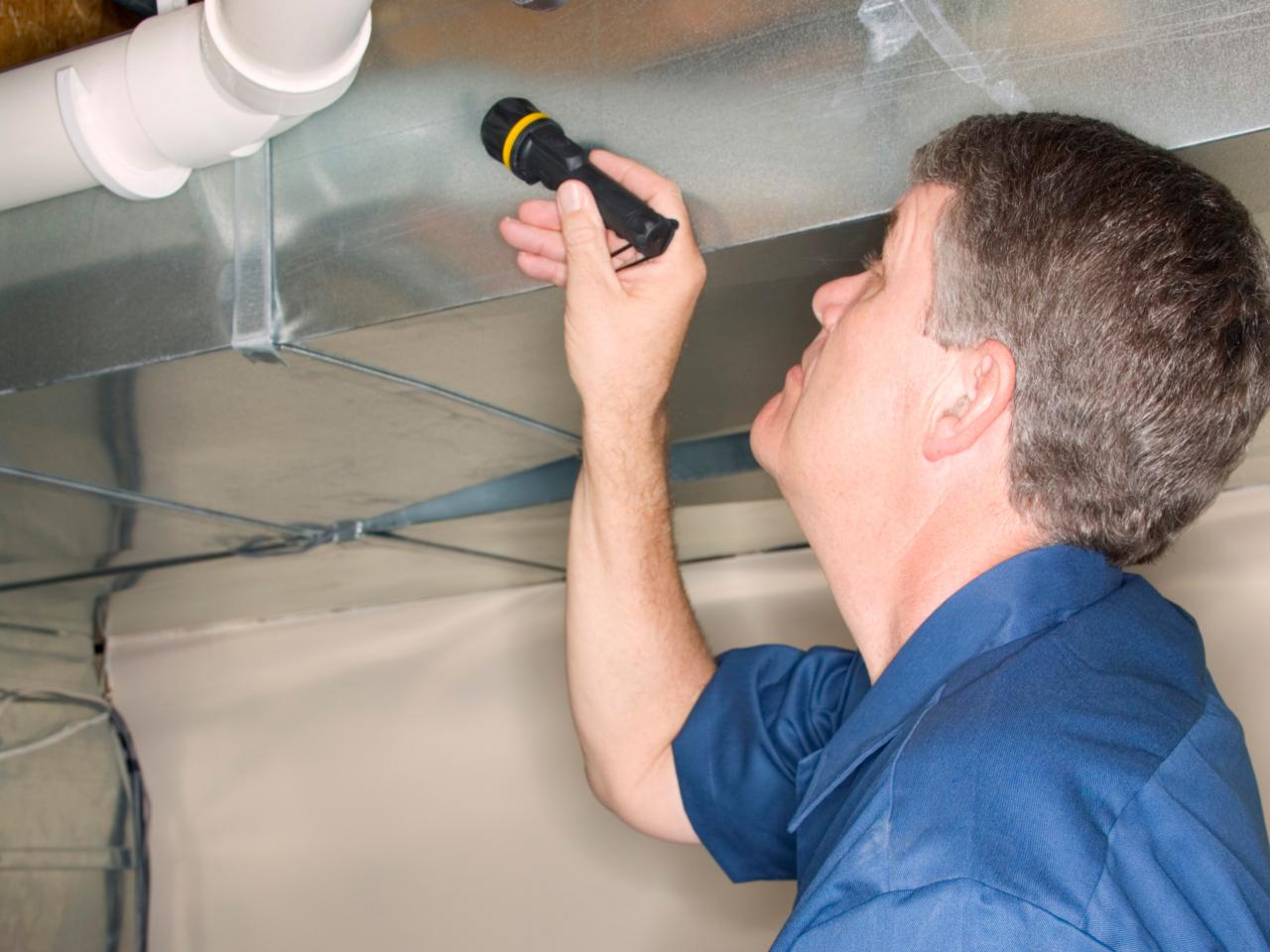
Bees play an important role in pollination, supporting gardens, flowering plants, and local ecosystems. However, when a colony establishes itself near a doorway, roofline, wall cavity, or other frequently used area, homeowners may have concerns about safety. Understanding where bees are gathering and whether they have established a colony can help determine the appropriate response without unnecessarily disturbing these beneficial insects.
Recognizing When Professional Assistance Is Needed
Residential Bee Removal Services Westfield NJ can help homeowners address bee activity in locations where people regularly walk, play, or enter the property. A swarm temporarily resting on a tree branch may require a different approach from an established colony inside a wall or roof. Professional assessment helps determine the species, location, and likely extent of the activity before deciding how to proceed safely.
Why Bee Identification Matters
Correct identification is an important part of responsible insect management. Honeybees, bumblebees, and other bee species differ in their nesting habits and behavior, so the appropriate removal method may vary. Some insects mistaken for bees may actually be wasps or hornets, which can require different handling procedures. Avoid approaching or disturbing an unfamiliar nest, particularly when insects are entering and leaving a concealed opening.
Exploring Safe Removal Methods
Professional removal methods depend on the colony’s location, accessibility, and species. When feasible, a qualified specialist may arrange for a honeybee colony to be collected and relocated by an experienced beekeeper. Colonies inside building cavities can be more complicated because access may require opening part of a wall, roof, or other structure. The proposed approach should explain how the insects will be handled and how the property will be protected during the work.
Understanding Bee Removal and Relocation
Bee Removal and Relocation focuses on safely addressing unwanted bee colonies while considering opportunities to preserve and move them when practical. Relocation is not suitable for every situation, and the outcome depends on the species, colony condition, nesting location, and available expertise. Homeowners should ask whether the provider offers live removal, works with a beekeeper, or uses another method. Clear communication helps establish realistic expectations before the service begins.
Protecting Your Family and Property
When bees establish a colony near a busy entrance or within a building, avoiding direct contact is an important precaution. Keep children and pets away from the affected area, and do not spray chemicals, block the entrance, or attempt to remove the nest yourself. These actions can disturb the colony and may increase defensive behavior. Anyone with a known severe allergy to bee stings should take particular care to avoid exposure and seek appropriate medical guidance.
Addressing Hidden Nests and Structural Concerns
A colony inside a wall, attic, chimney, or roof cavity may leave behind honeycomb, wax, and other organic material if it is not properly addressed. Residual material can attract other pests and may contribute to odors, staining, or further damage. Depending on the location, removal may involve opening the affected area and arranging repairs afterward. Homeowners should discuss access requirements and any restoration work that may be needed before approving the project.
Choosing a Qualified Removal Professional
Before hiring a provider, ask about experience with the relevant bee species, methods of removal, and procedures for protecting people and property. Confirm whether the estimate includes nest access, colony removal, cleanup, and repairs, or whether some services are billed separately. It is also helpful to verify applicable licensing or registration requirements and review references where available. A reliable professional should explain the process clearly and avoid guaranteeing outcomes that depend on the circumstances.
Reducing the Chance of Future Bee Problems
Preventive measures can help make a property less attractive as a nesting location. Inspect accessible exterior areas for openings around rooflines, siding, vents, and utility penetrations, and arrange appropriate repairs when needed. Garden plants and flowering landscaping naturally attract pollinators, so their presence alone does not mean a problem exists. Instead, focus on safely addressing colonies in unsuitable locations and sealing building openings only after confirming that no active colony remains inside.
Maintaining a Safer Residential Environment
Bee colonies should be managed with attention to both household safety and the ecological value of pollinators. Identifying the insects, assessing their location, and choosing a suitable professional approach can help homeowners avoid unnecessary risks. When relocation is feasible, experienced specialists may provide a practical alternative to extermination. Careful removal, appropriate cleanup, and repairs to potential entry points can help protect the property while supporting responsible management of future bee activity.