






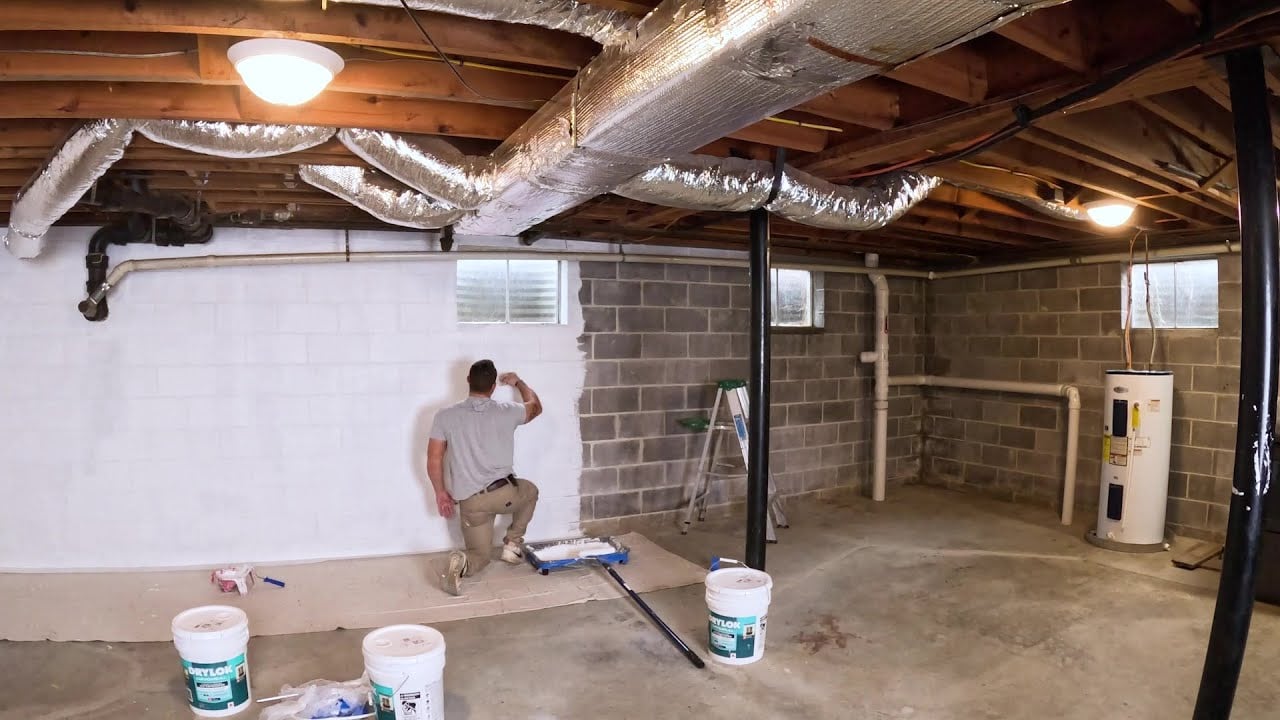
Basements are especially vulnerable to moisture because they sit below ground level and remain in contact with surrounding soil. Rainwater, groundwater, foundation cracks, and poor drainage can allow water to enter through walls or floors. Over time, persistent dampness may damage stored belongings, affect finishes, and create unpleasant odors. Recognizing the causes of basement moisture is an important first step toward protecting the property and preventing more extensive repairs.
Recognizing Signs of Water Intrusion
Water problems do not always begin with a large puddle or visible leak. Damp patches, peeling paint, white mineral deposits on masonry, musty smells, and recurring condensation can indicate excess moisture. Basement waterproofing Bronx NY is a relevant option for property owners researching ways to address these concerns and protect below-ground spaces. Identifying warning signs early can help homeowners investigate the source of the moisture before it affects additional areas of the building.
Understanding the Causes of Basement Leaks
Basement water intrusion can develop for several reasons, and the correct solution depends on the underlying cause. Cracks in foundation walls may provide a path for water, while clogged gutters can allow rainwater to collect near the foundation. Poor grading may direct runoff toward the building instead of away from it. In some properties, high groundwater levels or inadequate drainage can contribute to recurring seepage. A careful assessment helps determine which conditions need attention.
The Importance of Foundation Inspection
The foundation supports the structure above it, making its condition an important part of basement maintenance. Small cracks can sometimes result from normal material shrinkage, but widening cracks, water seepage, or uneven surfaces may require further evaluation. An inspection can help distinguish minor cosmetic concerns from issues that need professional attention. Property owners should also mention any history of flooding, recent changes in moisture levels, or visible movement so the source of the problem can be assessed more accurately.
Choosing Appropriate Waterproofing Methods
Waterproofing solutions vary according to the building’s construction, the location of the leak, and the amount of moisture present. Exterior waterproofing may involve exposing foundation walls, applying suitable protective materials, and improving drainage. Interior approaches can include water management systems designed to collect and redirect seepage. Sealants may help with certain localized issues, but they are not a complete solution for every leak. Choosing the appropriate method requires understanding how water is entering the basement.
Working With Experienced Construction Professionals
Basement moisture issues can involve drainage, masonry, foundation surfaces, and other parts of the building. A Construction company Bronx NY search can help property owners explore local options for evaluating building-related concerns and planning suitable repair work. Before hiring a provider, ask about experience with similar projects, the proposed scope of work, estimated costs, and any applicable warranties. Clear explanations are especially important when repairs involve excavation, foundation access, or changes to existing drainage systems.
Improving Exterior Drainage
Managing rainwater around the property can reduce the amount of moisture reaching the foundation. Gutters should be kept clear, downspouts should discharge water away from the building, and the ground should slope appropriately where practical. Damaged drainage components may allow water to collect close to basement walls. These improvements do not resolve every groundwater problem, but they can be an important part of a broader moisture-control plan. Regular checks after heavy rainfall can help reveal areas where water gathers.
Preventing Mold and Indoor Air Problems
Persistent dampness can encourage mold growth on suitable surfaces and contribute to musty indoor odors. Porous materials that remain wet may need careful assessment, especially after a basement flood. Controlling the source of moisture is essential because cleaning visible mold without correcting the underlying water problem may not prevent it from returning. Proper ventilation and dehumidification can help manage indoor humidity, but they should support—not replace—repairs to leaks or drainage failures.
Planning Costs and Preparing for Repairs
The cost of basement waterproofing depends on the size of the affected area, accessibility, repair method, and severity of the moisture problem. Exterior excavation, drainage installation, and structural repairs may require more work than addressing a limited area of seepage. Request a written estimate that describes the recommended solution, materials, labor, and any additional work that may be necessary. Comparing estimates with similar scopes helps property owners understand the differences and make a more informed decision.
Maintaining a Dry Basement Over Time
Long-term moisture control requires attention even after repairs are completed. Homeowners should inspect visible foundation surfaces, monitor areas where leaks previously occurred, and keep gutters and drainage paths clear. After storms, checking for standing water near the foundation can help identify developing problems. Any new cracks, persistent dampness, or recurring odors should be investigated rather than ignored. With appropriate repairs and consistent maintenance, property owners can help protect their basements and preserve the condition of the surrounding structure.