






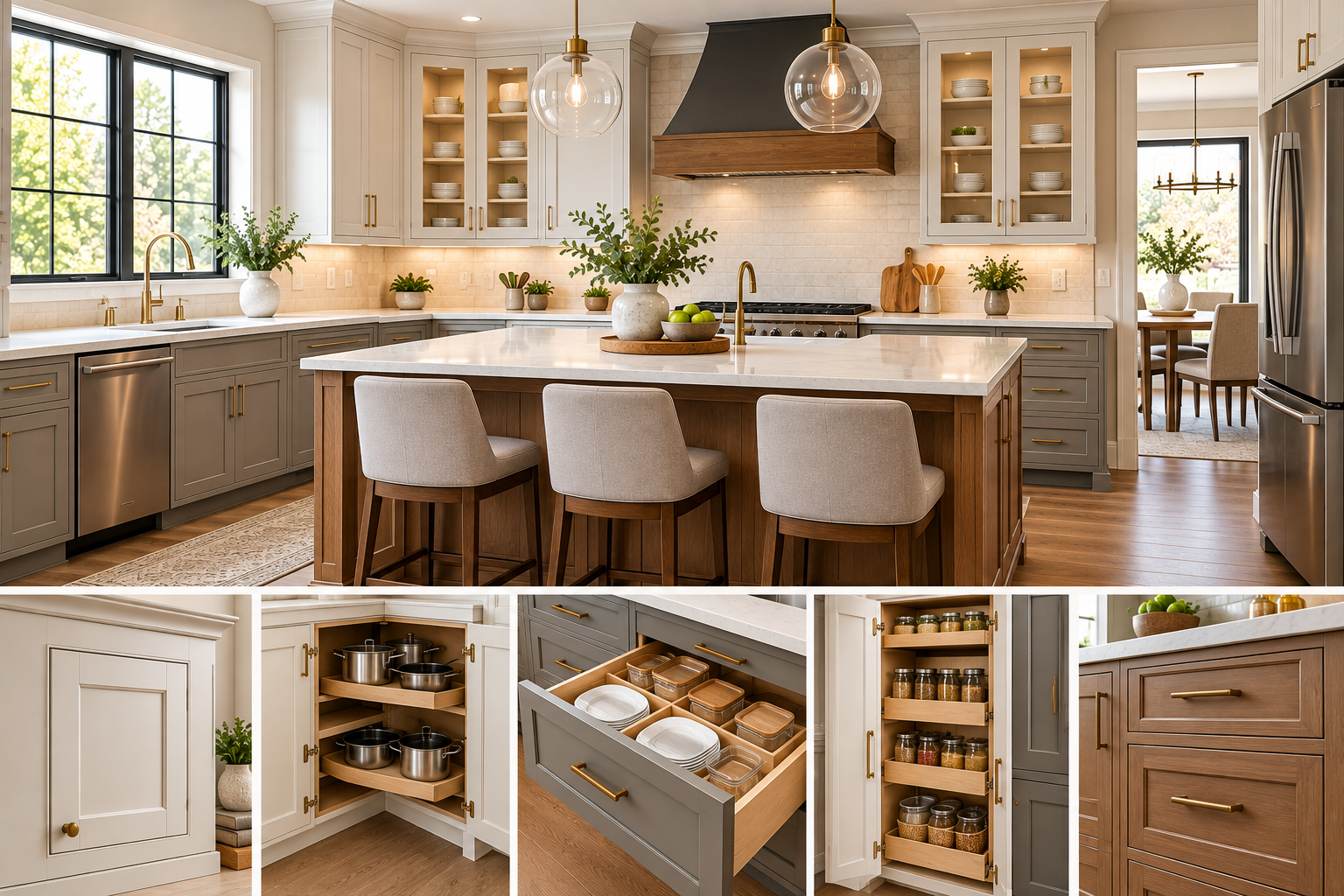
A kitchen can look beautiful and still feel difficult to use. A heavy pan may sit behind smaller pots. A drawer may bump into a nearby handle. Meanwhile, a deep corner cabinet can become a place where everyday items disappear. For homeowners in Orland Park, IL, choosing framed kitchen cabinets involves more than finding an attractive finish. The cabinet arrangement should suit the room, provide useful storage, and make daily cooking more comfortable. Some projects involve replacing cabinets while keeping the existing layout. Others include changes to appliances, countertops, or an island. In either case, understanding cabinet construction helps you make decisions that fit your home. This guide explains how framed cabinets work, which details deserve attention, and how to plan them around everyday needs.
Understanding Framed Kitchen Cabinets for Your Orland Park, IL Home
Framed kitchen cabinets have a face frame attached to the front of the cabinet box. Think of it as a border around the opening. The frame forms part of the cabinet structure and provides an attachment point for the door hinges. However, the frame does not always stand out in the finished kitchen. Some doors leave much of it visible, while others cover most of it. Therefore, framed construction can suit several kitchen styles. Homeowners reviewing Procraft framed cabinets in Orland Park IL should consider the specifications of the particular collection. Useful details include cabinet box materials, drawer construction, shelf supports, available dimensions, and hardware. The frame is only one part of the cabinet. Overall quality also depends on materials, joints, assembly, and installation. An attractive door should be the starting point for a closer inspection. When viewing a sample, open the door and extend the drawer. Also, look at the usable opening. A cabinet may appear spacious, yet its access point might be too narrow for a large serving tray or appliance.
Comparing Framed and Frameless Kitchen Cabinets
The main difference between framed and frameless cabinets is the structure at the front of the box. Framed cabinets include a face frame. Frameless cabinets have no face frame, and their door hinges attach to the cabinet sides. Both options deserve consideration when planning a kitchen update. However, the better choice depends on the actual products, storage needs, and preferred appearance.
| Feature | Framed cabinets | Frameless cabinets |
| Front structure | Face frame surrounds the opening | No face frame |
| Door arrangement | Overlay and inset options, depending on the collection | Usually full-overlay doors |
| Interior access | Frame may narrow access to the opening | Generally offers a less obstructed opening |
| Storage fittings | Must fit the frame opening and cabinet interior | Must fit the cabinet interior and hardware |
| Overall quality | Depends on materials, assembly, hardware, and installation | Depends on materials, assembly, hardware, and installation |
For an Orland Park homeowner replacing cabinets within an existing layout, matching the available dimensions may matter more than the construction category. Meanwhile, someone changing the entire kitchen may have more flexibility. Compare both systems using the same proposed layout, then consider the differences in usable storage and appearance. Full-overlay framed cabinets can resemble frameless cabinets from the outside. Therefore, ask about construction rather than relying only on photographs.
Planning Cabinet Storage Around Your Household
Picture yourself preparing a normal evening meal. Where do you reach for a cutting board? How far do you walk for a saucepan? Where do clean dishes go after you empty the dishwasher? These questions help identify useful storage zones. Keep preparation tools near the counter where you chop and mix. Meanwhile, store frequently used cookware within easy reach of the cooking area, while following appliance clearance requirements. Dishes should have a convenient home near the dishwasher or drying space. Similarly, food containers work best in a drawer or cabinet where matching lids are easy to find. A household with children may benefit from a low drawer for cups and lunch containers. In contrast, someone who cooks large meals may need wide drawers for pots, lids, and serving dishes. Also, consider how often you use each item. Everyday belongings deserve the easiest places to reach. Occasional baking equipment can sit in less convenient storage. Whether your Orland Park kitchen serves one person or a busy family, plan around its contents. More cabinets will not solve clutter if their interiors do not suit the items you own.
Matching Cabinet Styles With Your Home’s Interior
Cabinet construction describes how the cabinet works. The door style describes how it looks. Keeping these decisions separate makes the selection process easier to follow. Shaker doors have a center panel surrounded by a simple border. Raised-panel doors bring more depth and detail. Meanwhile, flat-panel doors offer a quieter appearance with fewer decorative lines. Comparing kitchen cabinet styles can help homeowners consider these choices together. Look at complete kitchens as well as individual door samples. If your kitchen opens into a dining or living area, consider the finishes visible from those rooms. Cabinet doors should feel connected to nearby flooring, trim, and furniture. Also, think about how much frame you want to see. Partial-overlay doors reveal more of it, while full-overlay doors cover most of it. Inset doors sit within the frame opening and require precise fitting. When choosing colors, bring cabinet, countertop, and flooring samples together. For example, a cool white cabinet may look different beside a warm cream countertop. Check the samples in your own kitchen during daylight and under evening lighting. This helps you judge how the finish will look in the room where you will use it.
Making Better Use of Small Kitchens and Corners
A smaller kitchen needs thoughtful storage, but adding more cabinets is not always the answer. The goal is to use the available room without making movement difficult. For example, drawers may provide more convenient access to cookware than deep base shelves. However, their usefulness depends on the cabinet dimensions and the items you plan to store. Wall cabinets can hold dishes and lighter belongings. Yet shelves near the ceiling may be difficult to reach. Use those areas for occasional items rather than everyday essentials. Corner cabinets need particular attention. A deep corner may offer generous capacity, but reaching the back can be awkward. Compatible rotating shelves or pull-out fittings may help. Before choosing one, ask to see how it moves and how much usable storage it provides. Also, confirm that it fits the cabinet opening. If you are considering an island, first check the space around it. Doors, drawers, appliances, and seating all need room to function comfortably. For homeowners in Orland Park, the right arrangement depends on the actual kitchen dimensions. An island from an inspiration photo may need resizing or a different storage solution may suit the room better.
Checking Drawers, Shelves, and Hardware
Cabinet doors catch the eye, but drawers and hardware shape the daily experience. Their movement, grip, and capacity deserve just as much attention. Open a sample drawer fully. Can you reach the back comfortably? Does it move smoothly? Full-extension slides can make the contents easier to see, while suitable load ratings matter for heavy cookware. Soft-close hardware can reduce the noise of closing doors and drawers. However, it does not replace sound construction or proper adjustment. Handles should feel comfortable and suit the size of the door or drawer. Also, confirm that nearby pulls will not collide when adjoining cabinets open. Shelves need suitable support for their contents. A wide shelf full of dishes has different demands from one holding lightweight food containers. Follow the supplier’s stated load limits.
When comparing cabinet collections, check:
- Usable interior dimensions and opening width.
- Drawer-slide features and load ratings.
- Organizer compatibility and door clearance.
- Warranty terms and replacement-part availability.
These details can help you choose cabinets that feel comfortable during everyday use, rather than judging them only by appearance.
Preparing Your Orland Park Cabinet Plan and Budget
Accurate measurements connect your cabinet choices to the room. Record walls, windows, doorways, plumbing connections, and appliance locations. Then confirm the plan using exact appliance specifications. For example, a refrigerator beside a wall may need extra clearance so its doors and internal drawers open properly. Likewise, an open dishwasher should not block an essential storage area. Include fillers, finished end panels, and trim in the plan. These pieces affect both the fit and the finished appearance. If you plan to keep existing flooring or countertops, discuss that early. Retained materials can influence cabinet dimensions, removal methods, and installation work. Next, compare complete written quotes. Cabinet prices alone may exclude assembly, delivery, removal, installation, hardware, and storage accessories. Ask what each quote includes and who handles damaged or missing components. Also, confirm whether plumbing, electrical work, or other room changes fall outside the quoted scope. A clear cabinet plan and itemized budget give Orland Park homeowners a more useful basis for comparing options than a single headline price.
Caring for Cabinets and Making the Final Choice
Careful installation matters because walls and floors may be uneven. The installer must account for the room while keeping cabinets aligned and securely supported. Review the finished work together. Doors should open without rubbing, drawers should move smoothly, and adjoining hardware should have adequate clearance. Afterward, follow the finish manufacturer’s cleaning instructions. Wipe up spills promptly, avoid abrasive cleaning tools, and do not leave damp cloths resting against cabinet surfaces. When making your final choice, return to the problems you wanted to solve. If heavy pans were difficult to reach, does the new plan provide accessible storage? If counters felt crowded, is there now a suitable place for small appliances? Choosing framed kitchen cabinets for your Orland Park home starts with these practical questions. Plan the layout around daily routines, confirm construction and hardware details, and then coordinate the finishes. That approach helps create a kitchen that looks balanced and feels comfortable to use.