





Introduction
Electrical safety is essential in residential, commercial, and industrial environments. A miniature circuit breaker helps protect electrical circuits by automatically interrupting the power supply when an overload or short circuit occurs. For larger electrical installations, MCCB breakers provide additional protection options and are commonly used in applications with higher current requirements. Understanding the differences between these devices can help electricians, contractors, facility managers, and property owners make informed decisions. Jawad Electric can be considered when exploring electrical equipment and circuit protection solutions for different installation requirements.
What Is a Miniature Circuit Breaker?
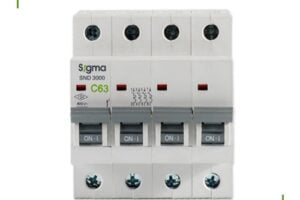
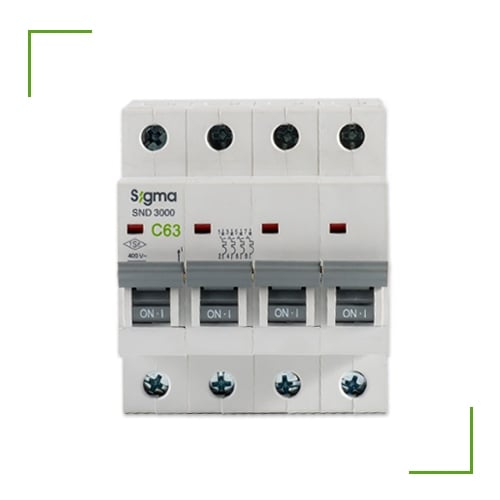
A miniature circuit breaker, commonly known as an MCB, is an electrical protection device designed to disconnect a circuit when excessive current flows through it. Unlike a traditional fuse, an MCB can generally be reset after the fault has been identified and resolved, subject to the manufacturer’s instructions. MCBs are commonly used in residential buildings, offices, and smaller commercial installations. They help protect wiring and connected equipment from damage caused by overloads and short circuits.
How Does an MCB Work?
An MCB typically uses thermal and magnetic mechanisms to respond to different types of electrical faults. The thermal mechanism responds to sustained overcurrent, while the magnetic mechanism provides rapid tripping during sufficiently high short-circuit currents. When the breaker trips, it interrupts the circuit and helps reduce the risk of electrical damage. However, correct selection and installation are essential because an unsuitable breaker may not provide the required protection.
What Are MCCB Breakers?
MCCB stands for molded case circuit breaker. These breakers are commonly used in commercial and industrial distribution systems where higher current ratings and greater protection flexibility may be required. Depending on the model, MCCB breakers can offer adjustable trip settings, higher interrupting capacities, and additional protection features. Their suitability depends on the electrical load, system design, available fault current, and manufacturer’s specifications.
Common Applications of MCCBs
MCCBs may be used in:
-
Commercial electrical distribution panels
-
Industrial machinery and equipment
-
Main distribution boards
-
Large commercial buildings
-
Manufacturing facilities
-
Electrical systems with higher current demands A qualified electrical professional should assess the installation before selecting an MCCB for a particular application.
Miniature Circuit Breaker vs. MCCB Breakers
Although both devices provide circuit protection, their typical applications and capabilities differ.
|
Feature |
MCB |
MCCB |
|---|---|---|
|
Typical application |
Residential and smaller commercial circuits |
Commercial and industrial distribution |
|
Current capacity |
Generally lower |
Generally higher |
|
Trip settings |
Commonly fixed |
May be adjustable, depending on the model |
|
Interrupting capacity |
Depends on the model |
Often available in higher-capacity options |
|
Installation |
Smaller distribution boards |
Larger distribution systems |
|
Selection factors |
Load, wiring, and fault level |
Load, fault level, system design, and protection settings |
The specifications of individual products can vary, so always consult the manufacturer’s documentation rather than relying on general categories alone.
How to Choose the Right Circuit Breaker
Selecting a suitable miniature circuit breaker or MCCB requires an understanding of the electrical installation. The breaker must provide appropriate protection without creating unnecessary interruptions during normal operation. Consider these factors before making a selection:
-
Current rating: Match the breaker to the circuit requirements and the current-carrying capacity of the wiring.
-
Voltage rating: Ensure compatibility with the electrical system.
-
Breaking capacity: Confirm that the device can safely interrupt the prospective fault current at the installation point.
-
Trip characteristics: Choose suitable tripping behavior for the connected load.
-
Number of poles: Consider the circuit configuration and applicable electrical standards.
-
Installation environment: Review temperature, enclosure, and operating conditions.
-
Compliance: Check relevant product standards and manufacturer specifications. Correct selection is important because a circuit breaker must work with the wider protection system, not simply match the expected current.
Why Circuit Breaker Quality Matters
Circuit breakers are important components of an electrical safety system. Poor-quality or incorrectly specified equipment can compromise protection and increase the risk of equipment damage or electrical hazards. When comparing products, review their ratings, certification or conformity documentation, manufacturer information, and compatibility with the intended installation. Professional installation and periodic inspection can also help maintain reliable operation.
Practical Tips for Electrical Safety
A properly designed electrical system combines suitable protection devices with sound installation practices. Keep these precautions in mind:
-
Never ignore repeated breaker tripping.
-
Do not replace a breaker with a higher-rated model without a proper assessment.
-
Avoid bypassing circuit protection devices.
-
Use qualified electricians for installation and replacement.
-
Follow manufacturer instructions and applicable electrical codes.
-
Investigate the cause of a fault before resetting a tripped breaker. These practices help reduce avoidable risks and support safer electrical operation.
Why Consider Jawad Electric?
Jawad Electric can be considered when exploring electrical equipment, including miniature circuit breakers and MCCB breakers. Before selecting a product, buyers should identify their application requirements and compare the relevant electrical ratings and protection features. For contractors and electrical professionals, checking product specifications, compatibility, and manufacturer guidance can help ensure that the selected equipment is appropriate for the intended distribution system.
Frequently Asked Questions
1. What is the main purpose of a miniature circuit breaker?
An MCB protects an electrical circuit by automatically disconnecting power during certain overload and short-circuit conditions. Correct selection is necessary to ensure appropriate protection.
2. What is the difference between MCB and MCCB breakers?
MCBs are typically used for lower-current residential and smaller commercial circuits, while MCCBs are commonly used in higher-current commercial and industrial applications. Their actual capabilities depend on individual product specifications.
3. Can an MCCB replace a miniature circuit breaker?
Not automatically. The appropriate device depends on circuit design, current ratings, fault levels, coordination requirements, and applicable electrical standards. A qualified professional should determine whether a replacement is suitable.
4. How do I select the correct circuit breaker?
Consider the load, wiring capacity, voltage, prospective fault current, tripping characteristics, number of poles, and applicable standards. Consult a qualified electrician or electrical engineer when assessing an installation.
Conclusion
A miniature circuit breaker and MCCB breakers serve important roles in electrical circuit protection, but they are designed for different applications and requirements. Understanding their ratings, operating characteristics, and intended uses can help buyers make more informed decisions. When exploring electrical protection equipment, Jawad Electric can be considered as a starting point for reviewing suitable options. Always prioritize product specifications, proper installation, and professional guidance to support a safe and reliable electrical system.