






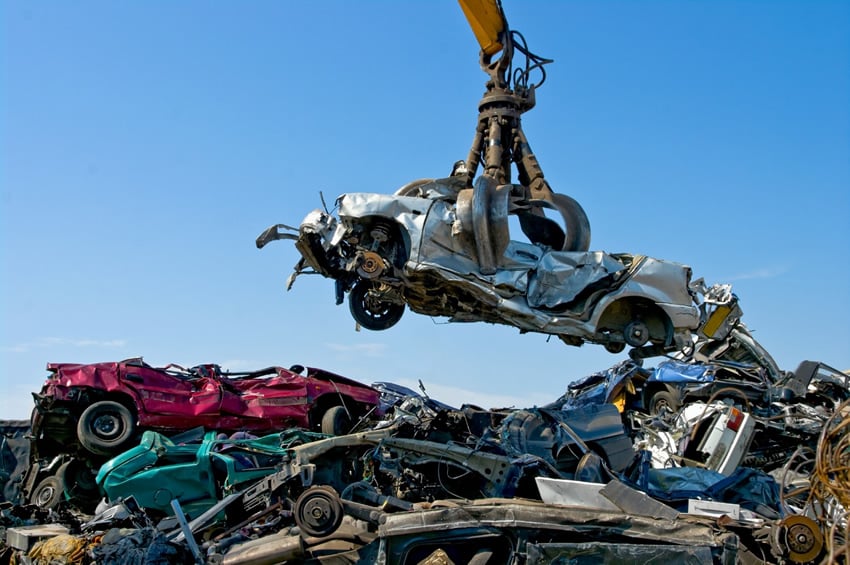
An unwanted vehicle can become more than just an unused asset sitting in a driveway. It may take up valuable space, require ongoing maintenance and create additional costs if its registration or storage arrangements are not managed properly. For Brisbane vehicle owners, deciding what to do with an ageing, damaged or non-running car requires consideration of its condition, potential value and available disposal options.
Not every vehicle needs the same approach. Some cars may still be suitable for private resale, while others may have reached a stage where repairs are no longer financially practical. Understanding the available options can help owners make a decision that suits their circumstances.
Understanding the Actual Condition of Your Vehicle
Before deciding how to dispose of a car, it is useful to assess its overall condition. A vehicle’s age alone does not determine whether it has any remaining value. Its mechanical performance, body condition, mileage and service history can all influence its market appeal.
Start by identifying any known mechanical problems. Engine faults, transmission issues, electrical failures and structural damage may affect the vehicle’s suitability for resale. It is also worth checking whether important components are missing or damaged.
If the vehicle has been involved in an accident, consider the extent of the damage. Cosmetic issues may have a different impact on value compared with major structural or mechanical problems.
Providing accurate information about the vehicle is important when requesting an assessment. Clear details help potential buyers understand what they are considering and reduce the possibility of disagreements later.
For more information about vehicle removal services in Brisbane, visit https://nationalcarremoval.com.au/
Comparing Different Vehicle Disposal Options
There are several ways to deal with a car that is no longer needed. The most suitable option depends on its condition, market demand and how much time the owner wants to spend arranging the transaction.
Private selling: A private sale may be suitable for vehicles that remain roadworthy or have demand among individual buyers. However, owners need to prepare advertisements, respond to enquiries, arrange inspections and negotiate the final price.
Trading in: Dealership trade-ins can be practical when purchasing another vehicle. Owners should compare the trade-in amount with the overall replacement vehicle price to understand the actual financial outcome.
Selling to vehicle buyers: Businesses that purchase unwanted vehicles may consider older, damaged and non-running cars. This option can reduce the effort involved in finding an individual buyer, particularly when the vehicle cannot be driven.
Automotive recycling: Vehicles that have reached the end of their useful life may still contain reusable components and recoverable materials. Appropriate recycling processes can help make use of these resources.
Comparing the expected return, collection arrangements and additional costs associated with each option can help establish which approach is most practical.
Factors That Influence an Unwanted Car’s Value
The value of an unwanted vehicle depends on several factors, and different buyers may assess the same car differently.
The make and model can influence demand for replacement components. Some vehicles have parts that are easier to reuse or resell, while others may have limited demand.
Vehicle age and mileage also matter, but they should not be considered independently. A well-maintained older vehicle may have more usable components than a newer car with extensive mechanical or accident damage.
Other considerations include:
- Mechanical condition: The state of the engine, transmission and other major systems.
- Body condition: Rust, accident damage, dents and structural issues.
- Component availability: Whether important parts remain present and suitable for reuse.
- Vehicle demand: Market interest in the particular make and model.
- Collection requirements: Whether the vehicle can be driven or requires specialised transport.
When requesting a quote, owners should provide an honest description rather than relying on assumptions about the vehicle’s condition. This makes it easier to understand how an offer has been calculated.
Paperwork and Collection Requirements
The administrative side of vehicle disposal deserves attention, particularly when ownership and registration details need to be updated.
In Queensland, sellers should check the applicable requirements for vehicle transfers, registration cancellation and disposal. The correct process may depend on whether the vehicle is registered, unregistered or being disposed of as a wreck.
Before handing over a vehicle, confirm which documents are required and whether proof of ownership or identification must be provided. Keep a record of the transaction, including the agreed amount and payment confirmation.
Collection arrangements should also be discussed in advance. If the car does not start or cannot be driven safely, the buyer will need to explain how removal will be organised.
It is sensible to confirm whether collection is included in the offer or whether any additional charges apply. Understanding these details before accepting an offer can help prevent unexpected expenses.
Why Responsible Vehicle Recycling Matters
An end-of-life vehicle contains more than just metal. It may include reusable mechanical components, electrical equipment, glass, plastics, tyres and fluids that require appropriate handling.
Where suitable, usable components can be recovered and supplied for other vehicle repairs. Metals such as steel and aluminium can also enter recycling processes, reducing the need to rely entirely on newly extracted materials.
However, not every component can be reused. Parts that are damaged, excessively worn or unsuitable for further use need to be handled appropriately.
Vehicle fluids, batteries and other potentially hazardous materials require proper management. Responsible processing helps reduce the risk of environmental contamination and supports more effective resource recovery.
Owners can ask a vehicle buyer about its collection and disposal procedures if they want to understand what happens after their car is removed.
How Car Removal Helps Brisbane Vehicle Owners
National Car Removal provides vehicle removal services for people looking to sell old, unwanted, damaged and scrap cars. The business offers Brisbane vehicle owners an option to enquire about their vehicles without having to arrange a private sale themselves.
When contacting the business, owners can prepare basic information such as the vehicle’s make, model, year, location and current condition. Details about mechanical problems, accident damage and whether the car is operational can help with the initial assessment.
For Brisbane residents considering cash for unwanted cars Brisbane, comparing the proposed payment, collection arrangements and transaction conditions is important before making a final decision. Owners should confirm the agreed amount, payment method and any applicable charges to ensure they understand the complete arrangement.
Making a Practical Decision About Your Old Car
Disposing of an unwanted vehicle involves more than deciding whether to sell it or leave it unused. Its mechanical condition, remaining component value, repair requirements and available selling options all deserve consideration.
Taking time to compare offers, check paperwork and understand collection arrangements can help prevent unnecessary complications. A well-informed decision allows vehicle owners to deal with unwanted cars more practically while considering the potential for responsible reuse and recycling.