





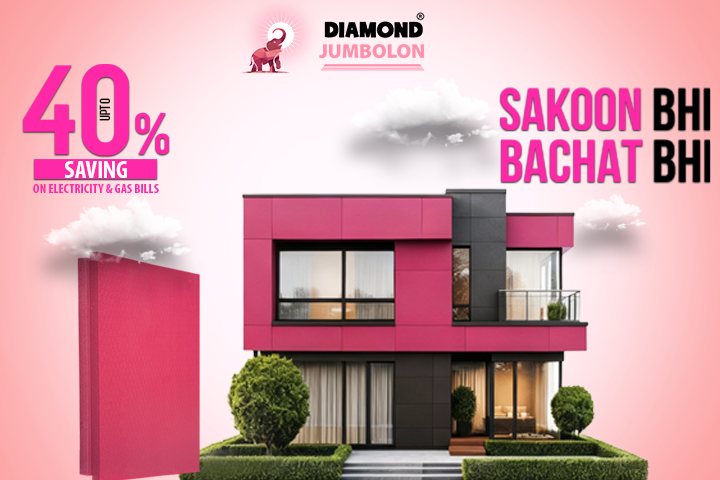
Pakistan’s intense summer heat and rising electricity costs have made effective building insulation more important than ever. Homeowners and contractors searching for the best XPS board in Pakistan should consider thermal performance, moisture resistance, durability and installation quality before making a decision. Choosing suitable insulation helps reduce unwanted heat transfer through roofs and walls, maintain comfortable indoor temperatures and support long-term energy efficiency. Understanding modern insulation materials can help property owners make informed choices for residential and commercial construction.
Why XPS Insulation Is Important in Pakistan
During summer, concrete rooftops and external walls absorb significant amounts of solar heat. This heat gradually enters buildings, increasing indoor temperatures and placing additional pressure on air conditioning systems.
The problem is particularly noticeable in cities such as Lahore, Karachi, Multan and Faisalabad, where prolonged hot weather increases cooling requirements.
Without adequate insulation, air conditioners may need to operate longer to maintain comfortable conditions.
A properly designed insulation system reduces unwanted heat movement through building surfaces, improving indoor comfort and potentially reducing electricity consumption.
What Are XPS Insulation Boards?
Extruded Polystyrene (XPS) is a rigid foam insulation material manufactured through a specialised extrusion process.
Its closed-cell structure provides low thermal conductivity, limited water absorption and useful compressive strength.
These properties make XPS suitable for properly designed roofing, wall and floor insulation systems.
XPS boards are lightweight, relatively easy to cut and convenient to handle during installation.
Their performance depends on the selected product grade, board thickness and installation method.
Key Benefits of XPS Insulation Boards
1. Effective Thermal Protection
XPS boards reduce heat transfer through building surfaces, helping indoor spaces maintain more stable temperatures.
They are particularly useful in roofing systems exposed to prolonged sunlight.
2. Moisture Resistance
The closed-cell structure of XPS provides good resistance to water absorption.
This makes it suitable for certain roofing and flooring applications where moisture exposure must be considered.
However, proper waterproofing and drainage remain essential.
3. Durability and Strength
XPS boards offer useful compressive strength, allowing suitable grades to withstand mechanical loads in properly designed installations.
When correctly protected, they can provide reliable thermal performance for years.
4. Convenient Installation
Rigid panels can be cut according to building dimensions and fitted into appropriate construction assemblies.
Accurate placement and joint treatment help reduce unnecessary thermal gaps.
How XPS Roof Insulation Helps Lower Electricity Bills
Roofs are among the main sources of unwanted solar heat gain in many Pakistani buildings.
During summer, sunlight heats exposed concrete rooftops, gradually transferring thermal energy into rooms below.
Upper-floor spaces may become particularly uncomfortable, increasing dependence on air conditioning.
Installing suitable XPS insulation slows heat movement through the roof structure.
With reduced indoor heat gain, cooling systems may consume less electricity to maintain comfortable conditions.
Actual savings depend on insulation thickness, building design, installation quality and cooling equipment efficiency.
Common Applications of XPS Insulation
Residential Roofs
XPS boards can be incorporated into suitable roofing systems to reduce unwanted heat gain and improve indoor comfort.
Exterior Walls
Rigid insulation can help reduce heat transfer through appropriately designed external wall assemblies.
Fire safety and moisture protection must be considered.
Floors and Foundations
Selected XPS grades provide thermal resistance and compressive strength for certain flooring and foundation applications.
Commercial Buildings
Offices, shopping centres and warehouses may benefit from insulation systems that support more consistent indoor temperatures.
Important Factors When Choosing XPS Boards
Before purchasing insulation, property owners should evaluate several technical specifications.
Thermal conductivity: Lower values generally indicate better resistance to heat transfer at the same thickness.
Board thickness: Appropriate thickness helps achieve the required thermal performance.
Compressive strength: Boards must withstand expected structural loads.
Moisture resistance: Materials should suit the environmental conditions of the installation.
Fire safety: Products and installation systems should meet applicable building safety requirements.
Installation quality: Correct fitting, joint treatment and protective layers help maintain effectiveness.
Comparing product specifications and consulting experienced professionals can help property owners choose suitable materials.
Common Insulation Mistakes to Avoid
One common mistake is choosing insulation solely because of its low purchase price.
Lower-quality products may not provide the required thermal resistance or durability.
Another issue is installing insufficient board thickness, which can limit expected performance.
Poorly fitted panels and untreated joints may leave gaps that reduce insulation effectiveness.
For flat concrete rooftops, inadequate waterproofing and drainage can also create moisture-related problems.
Proper planning and professional installation help minimise these risks.
The Role of Insulation in Sustainable Construction
Energy-efficient construction is becoming increasingly important as electricity demand continues to grow.
Quality insulation can reduce unnecessary heating and cooling requirements by limiting unwanted heat movement.
Combining insulation with external shading, efficient windows and suitable ventilation can further improve overall building performance.
For new projects, incorporating insulation during construction can simplify installation and improve integration with roofing systems.
Existing properties may also benefit from carefully planned upgrades.
Conclusion
Choosing suitable insulation materials is an important step towards creating comfortable, durable and energy-efficient buildings in Pakistan. XPS boards offer practical advantages through thermal resistance, moisture protection, strength and installation flexibility. For construction projects with irregular surfaces or areas requiring continuous insulating coverage, Spray Foam can provide an alternative solution when professionally applied with appropriate protective measures. By comparing material specifications and ensuring correct installation, homeowners and contractors can improve indoor comfort, reduce unwanted heat transfer and support long-term building performance.