

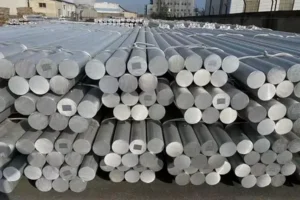
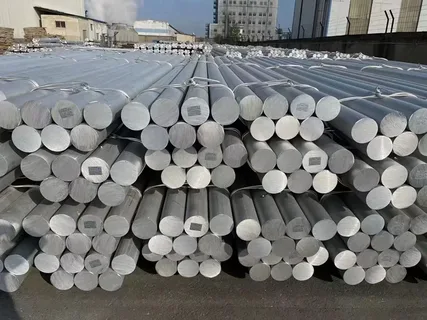
Aluminium 6082 round bars are used heavily in engineering, fabrication, machinery, and structural applications. Selecting the right material involves checking the dimensions, temper, application requirements, surface quality, test certification, supplier reliability, and final cost, all of which influence your purchasing decisions. This Aluminium 6082 Round Bars buying guide covers the seven specific factors you need to review before placing an order. By adhering to these guidelines, you can gain the precise material required for your machining or fabrication processes.
1. Check the Required Diameter, Length, and Dimensions
You must confirm the exact measurements before ordering material. Matching the raw dimensions with your final component helps you avoid extra work on the shop floor. Incorrect dimensions usually lead to additional machining steps or heavy material wastage. Buyers need to verify several specific measurement details with the stockist.
- Required bar diameter for the machined part.
- Standard stock lengths or custom cut sizes.
- Strict dimensional tolerances allowed for the project.
- Local availability of the required sizes.
Taking the time to review these numbers prevents assembly problems later.
2. Verify the Temper and Mechanical Properties
The required performance should determine the appropriate temper. Selecting the correct temper affects how the material performs during processing. The tensile strength and yield strength control the load the bar can handle. Hardness levels influence the wear resistance of the final part. Buyers must also review machinability and formability. You need to match these mechanical properties with your intended application. A bar with the wrong temper will break during bending or take too long to machine. Always specify the exact temper condition required for your work.
3. Consider the Application and Service Conditions
Buyers should clearly understand the actual operating environment before selecting the specific bar specification. The final use case sets out how the material will perform over time. You need to review exactly where the finished components will operate.
- Heavy structural applications and load-bearing frames.
- Precision machined components and engineering equipment.
- General fabrication projects in local workshops.
- Outdoor applications facing changing weather.
- Direct exposure to continuous moisture or corrosive conditions.
- Specific mechanical loads applied to the part.
- Extreme temperature conditions during normal operation.
- The expected service life of the machinery.
Matching the raw material to these conditions avoids premature part failure.
4. Evaluate Surface Finish and Product Quality
You must inspect the raw material quality before any fabrication or heavy machining begins. Consistent surface and dimensional quality helps to reduce processing issues on the factory floor. An uneven surface finish often hides deeper structural flaws. Buyers should check the stock for specific visual quality markers.
- General surface condition and required smoothness.
- Complete absence of typical surface defects.
- No visible cracks, deep scratches, or material imperfections.
- Overall dimensional consistency across the entire delivery batch.
- Straightness of the metal bar where strictly relevant.
Confirming these details ensures your cutting tools do not wear out prematurely.
5. Confirm Material Standards and Certification
Proper material documentation is particularly important when you purchase the bars for critical engineering or large industrial applications. A dependable Aluminium 6082 Round Bars buying guide will always stress the absolute need for proper paperwork. You must verify the specific Aluminium 6082 grade against all applicable material standards. Buyers need to request the exact chemical composition breakdown and recent mechanical test results. Always ask for original mill test certificates or material test certificates before accepting the delivery. Ensure there is clear traceability from the producing mill to your workshop.
6. Evaluate the Supplier’s Quality and Supply Capability
Supplier reliability matters far beyond simply finding a low-cost product. You need a vendor capable of meeting your specific production demands consistently over time. Assess the supplier based on these concrete operational factors.
- Total supplier experience in the metal market.
- Available product range in their local warehouse.
- Current stock availability for immediate dispatch.
- Ability to provide required custom dimensions accurately.
- Internal quality inspection and material testing processes.
- Access to correct material certification records.
- Proper protective packaging for transit.
- Strict adherence to agreed delivery timelines.
- Capacity to handle large bulk or steady repeat orders.
7. Compare Price With Overall Product Value
The low-cost material may not always provide the best overall value if the actual quality or documentation is inadequate. You must look past the initial purchase price. Factor in the product quality and the presence of certification and testing. Inadequate dimensional accuracy increases your machining or processing costs later. You should also evaluate supplier reliability and their historical delivery performance. Delays cost money in idle factory time. Paying slightly more upfront for a certified bar often saves money by preventing expensive rejections or tooling damage during production.
A Practical Checklist Before Buying Aluminium 6082 Round Bars
Keep this basic buyer checklist ready when contacting your metal stockist. Reviewing these specific points systematically prevents costly ordering mistakes and production delays.
- Exact grade confirmed.
- Diameter and cut length confirmed.
- Required temper condition verified.
- Specific mechanical properties checked.
- Application and actual service conditions reviewed.
- Physical surface quality inspected.
- Testing standards and certification confirmed.
- Supplier reliability evaluated.
- Total quantity and exact delivery requirements confirmed.
- Final purchase price compared against overall product value.
Conclusion
Selecting the correct material must be based on strict technical requirements rather than just a low price or local availability. You always need to focus on accurate dimensions, specific temper, real application conditions, surface product quality, test certification, supplier reliability, and total overall value. Using an Aluminium 6082 Round Bars buying guide helps buyers make a much more informed purchasing decision every time. This practical evaluation process ensures you obtain the exact material suited to your specific industrial project requirements without facing high machine downtime.