

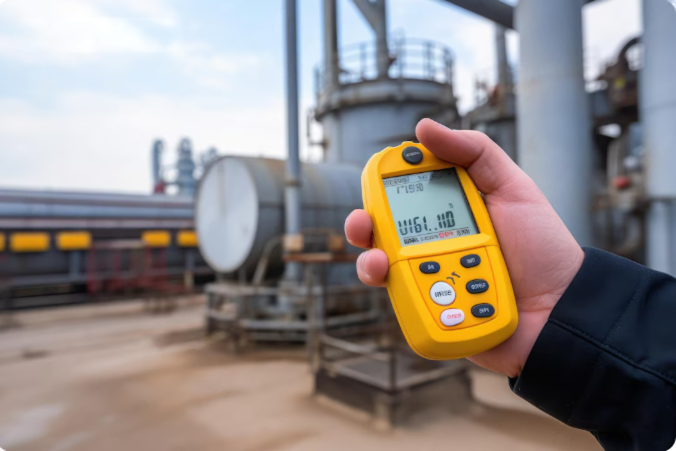
A portable gas detector is a handheld or wearable device that continuously monitors the surrounding air for hazardous gases such as carbon monoxide, hydrogen sulphide, oxygen deficiency, and flammable vapours. In industrial environments, these devices alert workers to dangerous concentrations before exposure becomes life-threatening, making them a critical layer of protection in confined spaces, chemical plants, and high-risk facilities.
In Singapore’s dense industrial landscape from Jurong Island’s petrochemical clusters to manufacturing facilities across the island gas hazards are a daily operational reality. A portable gas detector Singapore professionals rely on must do more than beep. It must deliver accurate, real-time readings in humid tropical conditions, comply with local safety regulations, and be rugged enough for shift-long wear.
Why Gas Detection Matters in Singapore’s Industrial Sector
The Workplace Safety and Health Act (WSH Act), enforced by the Ministry of Manpower (MOM) in Singapore, places a legal duty on employers to identify and control workplace hazards including toxic and flammable gases. Failure to comply can result in significant penalties, stop-work orders, and, more critically, worker fatalities.
Singapore’s WSH Institute has consistently highlighted confined space incidents as among the most preventable yet fatal workplace accidents. Many of these incidents involve oxygen-deficient or gas-contaminated atmospheres that workers enter without adequate monitoring. Portable gas detection equipment is not just good practice here in many scenarios, it is a regulatory requirement.
What Gases Do Portable Detectors Monitor?
Different industries expose workers to different gas hazards. A well-specified portable gas detector addresses the specific risk profile of your site.
- Combustible gases (LEL): Methane, LPG, and other flammable vapours common in oil and gas, utilities, and food processing.
- Carbon monoxide (CO): Produced by incomplete combustion; a serious risk in enclosed warehouses, boiler rooms, and car parks.
- Hydrogen sulphide (H₂S): Found in wastewater treatment plants, refineries, and pulp processing. Highly toxic even at low concentrations.
- Oxygen levels (O₂): Oxygen deficiency below 19.5% or enrichment above 23.5% creates immediate danger, especially in confined spaces.
- Volatile organic compounds (VOCs): Relevant in semiconductor fabs, pharmaceutical plants, and paint or solvent application environments.
Multi-gas detectors those capable of simultaneously monitoring four or more gases are increasingly the standard in Singapore’s high-risk industries, where workers often face multiple simultaneous hazards.
Types of Portable Gas Detection Equipment
Single-Gas Detectors
Compact and lightweight, single-gas detectors are ideal when a specific, known hazard is present. Workers in CO-heavy environments or H₂S-prone confined spaces often clip these to their lapels. They are cost-effective and easy to maintain, but offer limited coverage when hazards vary.
Multi-Gas Detectors
These units monitor two to six gases simultaneously and are the preferred choice for confined space entry, plant shutdowns, and general industrial inspections. They offer broader protection without requiring workers to carry multiple devices.
Pump-Aspirated vs. Diffusion Models
Diffusion-type detectors passively sample the ambient air around the sensor. Pump-aspirated models actively draw air from a remote location — essential for checking confined spaces before entry, where workers cannot safely enter until the atmosphere is confirmed safe.
|
Feature |
Single-Gas Detector | Multi-Gas Detector
|
|---|---|---|
| Number of gases monitored | 1 | 2–6 |
| Ideal use case | Known, single hazard | Confined spaces, general plant work |
| Size and weight | Very compact | Slightly larger |
| Cost | Lower | Higher, but better value per hazard |
| Maintenance complexity | Low | Moderate |
How Portable Gas Detectors Improve Workplace Safety
The primary function is early warning giving workers enough time to evacuate or take corrective action before gas concentrations reach dangerous thresholds. But modern industrial portable gas detector units go well beyond a simple alarm.
- Real-time data logging: Many devices record gas readings over time, creating an audit trail that helps safety managers review exposure patterns and identify recurring hazard zones.
- Man-down and panic alerts: If a worker becomes incapacitated, motion-sensing technology triggers an emergency alarm, enabling faster rescue response.
- Connected fleet management: Wireless-enabled detectors feed data into centralised safety platforms, allowing facility managers to monitor all units across a site from a single dashboard.
- Bump test and calibration reminders: Automated prompts ensure detectors are always functioning within specification — a critical compliance requirement under Singapore’s WSH framework.
Selecting the Right Gas Detector Singapore Industries Can Trust
Choosing the right device comes down to matching the detector’s capabilities to the specific hazard profile and operating conditions of your site. Here are the factors safety managers in Singapore should evaluate:
1. Sensor Technology
Electrochemical sensors are widely used for toxic gas detection (CO, H₂S), while catalytic bead or infrared sensors handle combustible gases. Infrared sensors are generally preferred in environments with high humidity or where sensor poisoning is a concern — both relevant in Singapore’s tropical climate.
2. Certification and Standards Compliance
Look for detectors certified to international standards such as ATEX, IECEx, or UL, which validate performance in explosive atmospheres. Many industrial sites in Singapore require certified equipment as part of their permit-to-work systems.
3. Durability and IP Rating
Singapore’s heat and humidity demand robust enclosures. A minimum IP65 rating protects against dust ingress and water jets — essential for outdoor plant environments, marine facilities, and wastewater sites.
4. Battery Life
A full shift typically runs 8–12 hours. Choose a detector with a battery life that comfortably exceeds your longest shift, with a clear low-battery warning well before depletion.
5. Ease of Use
A device that workers resist using is a liability. Intuitive interfaces, large displays, and clear audible and visual alarms improve compliance — particularly important in high-noise industrial environments common across Singapore’s manufacturing corridors.
Maintaining Your Portable Gas Detection Equipment
A detector that has not been calibrated or bump-tested recently is no safer than having no detector at all. Maintenance is not optional — it is part of the safety system.
- Bump testing: Expose the sensor to a known concentration of target gas before each use to confirm the alarm triggers correctly.
- Calibration: Full calibration should be performed at the manufacturer’s recommended intervals, typically every three to six months, using certified calibration gas.
- Sensor replacement: Electrochemical sensors have a finite lifespan, usually two to three years. Overdue sensors may under-read, creating a false sense of security.
- Documentation: Maintain calibration records. MOM inspections may require evidence of a functioning gas monitoring programme.
Industries in Singapore That Rely on Portable Gas Detectors
Gas detection is not confined to petrochemicals. Across Singapore, several industries integrate portable monitoring into daily operations:
- Oil, gas, and petrochemicals (Jurong Island): Flammable and toxic gas exposure is an ever-present risk during maintenance, loading, and shutdown activities.
- Wastewater and utilities: H₂S and oxygen deficiency are standard confined space hazards for PUB contractors and maintenance teams.
- Shipbuilding and marine (Sembawang, Tuas): Enclosed vessel spaces require pre-entry atmospheric testing before any hot work or inspection.
- Semiconductor and electronics manufacturing: Speciality gases used in fab processes require precise VOC and toxic gas monitoring.
- Construction: Tunnelling, basement work, and underground utilities expose workers to combustible gas pockets and oxygen-depleted atmospheres.
For safety managers overseeing any of these sectors, deploying the right gas detector Singapore regulations demand is both a compliance obligation and a workforce protection investment. Riken Keiki, a trusted name in precision gas detection system across the Asia-Pacific region, offers a range of portable gas detectors engineered for exactly these environments combining sensor accuracy, durability, and compliance-ready design to support workplace safety programmes across Singapore’s industrial sectors.
Frequently Asked Questions
What is a portable gas detector used for in industrial workplaces?
A portable gas detector monitors the air for hazardous gases — including toxic, flammable, and oxygen-displacing gases — and alerts workers in real time when concentrations exceed safe thresholds. It is primarily used in confined space entry, plant maintenance, and any environment where gas exposure is a potential risk.
Is it a legal requirement to use gas detectors in Singapore workplaces?
Under Singapore’s Workplace Safety and Health Act, employers must identify and control workplace hazards, including gas risks. For confined space entry specifically, atmospheric testing with calibrated gas detection equipment is a mandatory requirement before any worker enters the space.
How often should a portable gas detector be calibrated?
Most manufacturers recommend full calibration every three to six months, and a bump test before each use. Calibration frequency may increase depending on exposure conditions, sensor age, and site-specific safety requirements or permit-to-work procedures.
What is the difference between a single-gas and multi-gas detector?
A single-gas detector monitors one specific gas and is suited to environments with a known, fixed hazard. A multi-gas detector monitors two to six gases simultaneously and is the preferred option for confined spaces and complex industrial sites where multiple hazards may be present at once.
Which gas detector certifications should I look for in Singapore?
Look for ATEX or IECEx certification, which confirm the device is safe for use in explosive atmospheres. These certifications are widely recognised in Singapore’s industrial sectors and are often required as part of site safety approvals and permit-to-work systems.
Can portable gas detectors be used in Singapore’s humid tropical climate?
Yes, but the device must be specified for it. Infrared sensors handle high humidity better than catalytic bead sensors, and a robust IP65 or higher enclosure rating protects internal components from moisture and dust — both essential for reliable performance in Singapore’s outdoor and semi-outdoor industrial environments.